
Tools
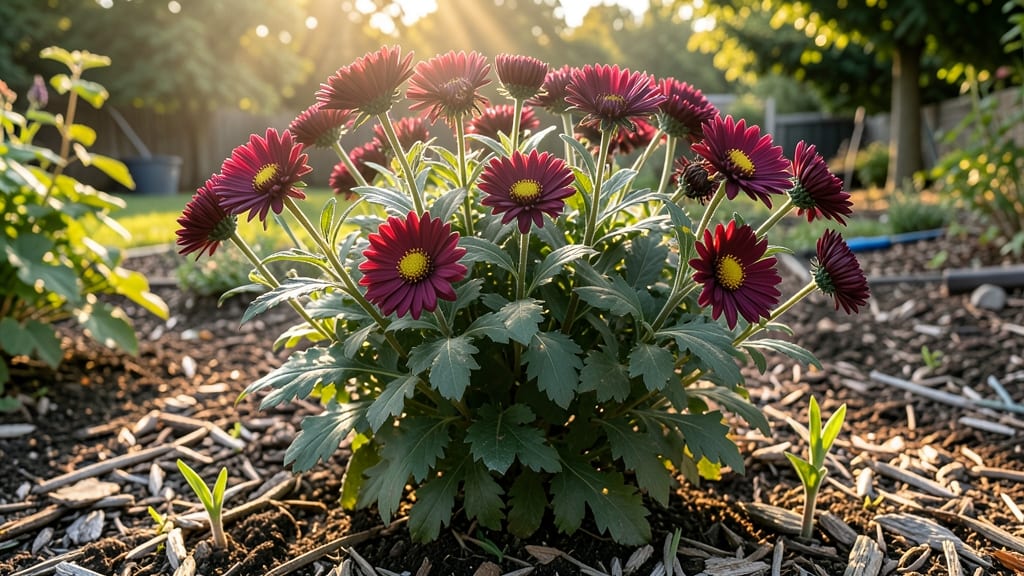
Garden mums (Chrysanthemum) will come back each year if you plant them in well-draining soil, provide proper winter care, and select cold-hardy varieties like 'Hardy Bonanza' or 'Dwarf Mums.' Mulching and frost protection are essential for their perennial survival.
Perennial mums thrive when you give them the right conditions—especially in colder climates where freezing temperatures can be deadly. 🌱 The key difference between annual and perennial mums lies in their root systems and genetic hardiness.
While tender varieties (like those sold in fall for seasonal color) often die back, cold-hardy mums develop deeper roots and tougher stems that survive winter dormancy.
I’ve found that adding a thick layer of 3-4 inches of mulch in late fall creates an insulating barrier that protects roots from extreme cold, while still allowing moisture to drain.
Another critical factor is timing—wait until the first hard frost to cut back foliage, as the leaves help protect the crown. In my experience, Zone 5-7 gardeners should also consider using frost blankets or burlap wraps during the harshest winter weeks.
The goal is to mimic the natural protection these plants evolved with in their native Asian habitats, where they face similar seasonal challenges.
💡 In This Article
- Why Some Garden Mums Die Over Winter
- Step-by-Step Guide to Overwintering Perennial Mums
Why some garden mums die over winter
The survival of garden mums hinges on their biological hardiness, specifically their ability to withstand freezing temperatures. Hardy varieties like 'Hardy Bonanza' have evolved to endure 10-20°F without permanent damage, thanks to their deep root systems that store energy reserves.
These roots grow 12-18 inches deep by fall, allowing them to access moisture even when surface soil freezes. In contrast, tender mums (often sold as annuals) have shallow roots and lack this cold resistance, making them vulnerable to frost.
Cold damage occurs when cell membranes rupture due to ice crystal formation—a process called freeze-thaw injury. Hardy mums produce natural antifreeze proteins that lower their freezing point by 2-5°F, while tender varieties lack this adaptation.
Soil moisture retention also plays a critical role: saturated soil conducts cold more efficiently, which is why well-draining soil is essential. When soil stays too wet, it can drop 5°F colder than air temperature, accelerating damage to unprotected plants.
Another key difference lies in their growth habit. Hardy mums develop woody stems that insulate the crown (the base where stems meet roots), while tender mums remain herbaceous and fragile.
This structural difference means hardy mums can survive 30-40°F below zero with proper protection, whereas tender types may die at 25°F. The science behind this is fascinating—hardy mums undergo a process called vernalization in fall, where cooler temperatures trigger biochemical changes that harden their tissues.
What most gardeners don't realize is how late-season sunlight affects winter survival. Mums need 8-10 hours of light daily in fall to build starch reserves in their roots. If shaded too early, they'll enter winter with depleted energy stores.
This is why planting in full sun locations gives them the best chance to rebound. The contrast between hardy and tender mums becomes clear when you compare their leaf structures: hardy types have thicker, waxier leaves that reduce moisture loss, while tender mums have delicate foliage that freezes easily.
Climate matters too—regional variations determine which mums thrive. In Zone 4-5, even hardy varieties need extra protection, while Zone 6-7 gardeners can rely more on natural hardiness. The key is matching the mum variety to your winter's lowest temperature.
For example, 'Dwarf Mums' (Zone 5) handle -15°F, but 'Hardy Bonanza' (Zone 4) can survive -25°F with proper care. Understanding these biological and environmental factors helps explain why some mums return year after year while others fail.
One final insight: the timing of frost matters. Mums need 4-6 weeks of cold exposure to fully harden off. If winter arrives suddenly, they may not complete this process, making them more susceptible to damage. This is why gardeners in unpredictable climates should monitor weather forecasts and prepare early.
The science of plant hardiness is all about balance—giving mums just enough cold to strengthen them without exposing them to lethal extremes.