
Tools
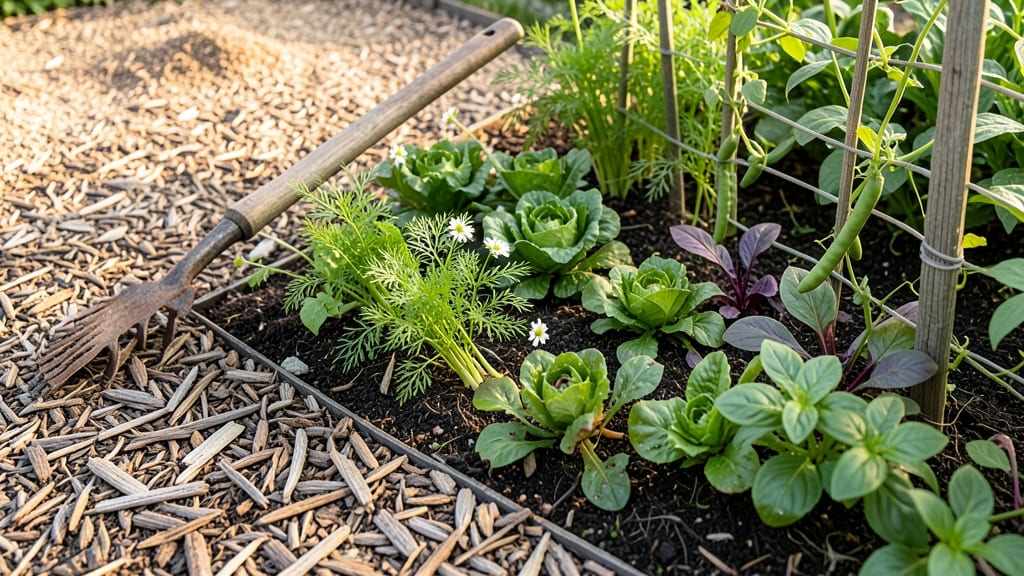
Wood chips on vegetable gardens improve soil health by decomposing into nutrient-rich compost, blocking weeds with sunlight obstruction, and maintaining moisture while stabilizing soil temperature for optimal plant development. Always use untreated hardwood chips for the best results.
Adding wood chips to your vegetable garden creates a natural, low-maintenance ecosystem that works for your plants.
The mulch layer breaks down slowly over months, releasing nutrients like nitrogen and phosphorus that feed roots directly. 🌱 This process also discourages weeds by starving them of sunlight while keeping the soil cool in summer and insulated in winter—perfect for delicate vegetables like lettuce or spinach.
Plus, the moisture retention reduces watering frequency by up to 30%, saving both time and resources.
For best results, apply a 2-3 inch layer of untreated hardwood chips (like oak or maple) around plants, keeping them 6 inches away from stems to prevent rot. Avoid softwoods like pine, which can acidify the soil over time.
Refresh the mulch annually in spring to maintain its benefits—this simple step transforms your garden into a thriving, self-sustaining space with minimal effort.
💡 In This Article
- How Wood Chips Transform Garden Soil Over Time
- Best Wood Chip Types and Application Tips for Vegetable Gardens
How wood chips transform garden soil over time
The magic of wood chips in vegetable gardens starts with their slow decomposition process, which creates a nutrient-rich layer that mimics natural forest floors. When you apply wood chips, they begin breaking down through microbial activity, a process that can take 6-12 months depending on climate and chip size.
This decomposition releases essential nutrients like nitrogen, phosphorus, and potassium in a slow, steady manner—ideal for feeding vegetable plants over extended periods. Unlike synthetic fertilizers that provide quick but short-lived boosts, wood chips create a sustained nutrient cycle that improves soil fertility year after year.
Here's what happens at the microbial level: Wood chips have a high carbon-to-nitrogen ratio (about 40:1), which means they decompose slowly unless balanced with nitrogen-rich materials. As microbes break down the cellulose and lignin in the wood, they release enzymes that create humus—a dark, spongy substance that improves soil structure.
This humus binds soil particles together, creating larger aggregates that enhance water retention and root penetration. Studies show that mulched soil can hold 25-50% more moisture than bare soil, reducing watering needs significantly while preventing erosion from heavy rains.
The temperature-regulating benefits are equally impressive. During summer, wood chips act like a natural insulator, keeping soil 5-10°F cooler than exposed earth—critical for heat-sensitive vegetables like basil or peppers. In winter, they provide a protective layer that prevents soil from freezing as deeply, protecting root systems.
This temperature stability creates optimal growing conditions year-round, which is why professional gardeners often recommend wood chips for both annual and perennial vegetable beds.
One common misconception is that wood chips will acidify the soil, but this only happens with certain types. Untreated hardwoods like oak or maple decompose neutrally (pH 7.0), while softwoods like pine can lower pH over time.
The key is choosing the right material—hardwood chips maintain a stable soil pH, making them perfect for vegetables that prefer slightly acidic to neutral conditions (like tomatoes or cucumbers). Over time, this balanced decomposition creates a self-fertilizing ecosystem where plants thrive with minimal intervention.
Compared to synthetic mulches or bare soil, wood chips offer unmatched benefits for vegetable gardens. They eliminate the need for chemical weed killers by physically blocking sunlight, they reduce water evaporation by up to 30%, and they prevent soil compaction from foot traffic.
The slow-release nutrients also reduce fertilizer costs over time, making wood chips one of the most cost-effective and sustainable gardening solutions available.
What most gardeners don't realize is how wood chips improve soil structure at the microscopic level. The decomposition process creates tiny air pockets that enhance oxygen flow to roots, while the humus formation increases cation exchange capacity—the soil's ability to hold and release nutrients.
This dual benefit explains why vegetable plants grown with wood chip mulch often show 20-30% faster growth compared to those in bare soil, with stronger stems and higher yields.