
Tools
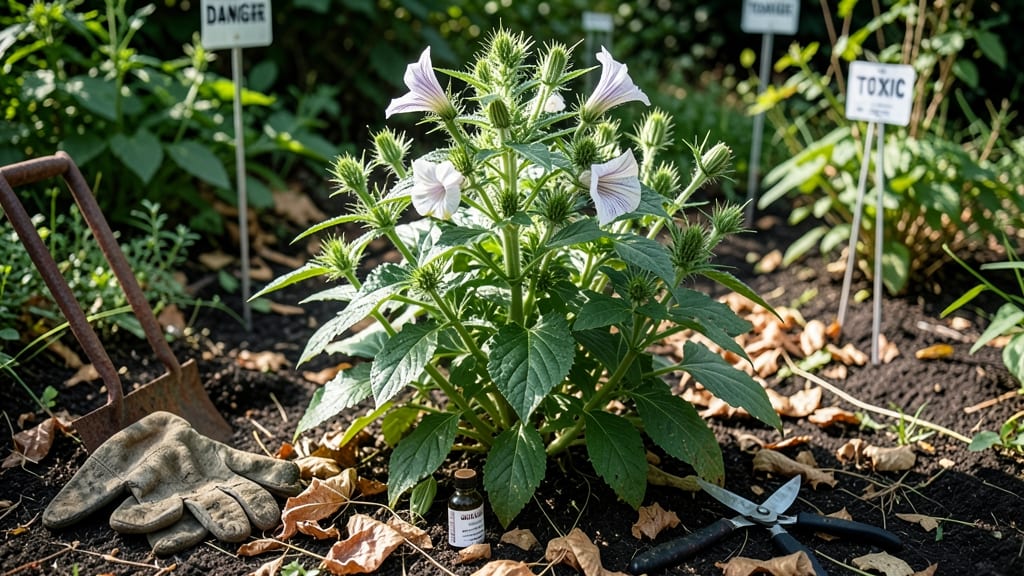
The world's deadliest garden features deadly plants like castor beans, deadly nightshade, and oleander, whose toxins—ricin, atropine, and cardiac glycosides—can be fatal if ingested, touched, or inhaled. Always wear protective gloves and research before handling.
These lethal plants pack a dangerous punch because their toxins target critical bodily systems. Castor beans release ricin, which shuts down protein production in cells, while deadly nightshade's atropine blocks nerve signals, causing paralysis.
Oleander's cardiac glycosides attack the heart, leading to fatal arrhythmias. 🔥 Even a small exposure can trigger severe symptoms like seizures, organ failure, or respiratory distress. The key to survival is awareness—never touch these plants bare-handed, and keep them in secure, childproof environments.
If you're curious about these plants for educational purposes, I recommend visiting botanical gardens with controlled access or consulting toxicology resources. Many of these species have historical uses in medicine or warfare, but their risks far outweigh any benefits.
Always prioritize safety by wearing nitrile gloves and washing hands thoroughly after any contact.
💡 In This Article
- Toxic Compounds in Deadly Garden Plants
- Safety Measures for Handling Dangerous Plants
Toxic compounds in deadly garden plants
Ricin, found in castor beans, is one of the most potent natural toxins known to science. A single seed contains enough ricin to kill an adult, and its mechanism is terrifyingly efficient: it enters cells and permanently dismantles the machinery that builds proteins.
Without protein synthesis, cells die within days, leading to organ failure. 🔥 The lethal dose for humans is estimated at just 0.0005 grams—about the weight of a few grains of salt—making ricin more deadly than cyanide by weight.
Deadly nightshade (Atropa belladonna) contains atropine and scopolamine, which paralyze the nervous system by blocking acetylcholine receptors. This causes symptoms like dilated pupils, hallucinations, and eventually respiratory failure.
A single berry can contain enough toxin to kill a child, and the plant's dark purple berries are particularly enticing to curious kids or animals. In contrast, oleander's cardiac glycosides (like oleandrin) disrupt the heart's sodium-potassium pump, leading to fatal arrhythmias within hours of exposure.
Symptoms of exposure vary dramatically between plants. Ricin poisoning takes 3-5 days to manifest, while oleander symptoms appear within 1-2 hours and include nausea, dizziness, and chest pain. Atropine overdose causes dry mouth, fever, and confusion.
The key difference lies in how these toxins interact with human biochemistry: ricin is a protein inhibitor, atropine is a neurotransmitter blocker, and cardiac glycosides are enzyme disruptors. 💫
To put these toxins in perspective, consider that ricin was used in bioterrorism research, while oleander has been employed historically in assassinations. The plant's sap alone can cause severe skin irritation and systemic poisoning if absorbed through cuts.
Even the smoke from burning oleander leaves contains toxic compounds that can be inhaled. This is why these plants demand extreme caution—their lethality isn't just theoretical.
Interestingly, some of these plants have medicinal uses in microdoses***. For example, atropine is used in eye drops to dilate pupils, and digitalis (from foxglove, another deadly plant) treats heart conditions.
The difference lies in precise dosing: what's therapeutic in nanograms becomes deadly in micrograms. This fine line between cure and poison is why these plants are both fascinating and terrifying. 🌟
If you're studying these plants for research, remember that even dried leaves retain toxicity. Ricin remains potent for years, while oleander's toxins degrade more slowly in soil. The moral here? Respect these plants' power—they don't just look deadly, they are deadly.