
Light Requirements
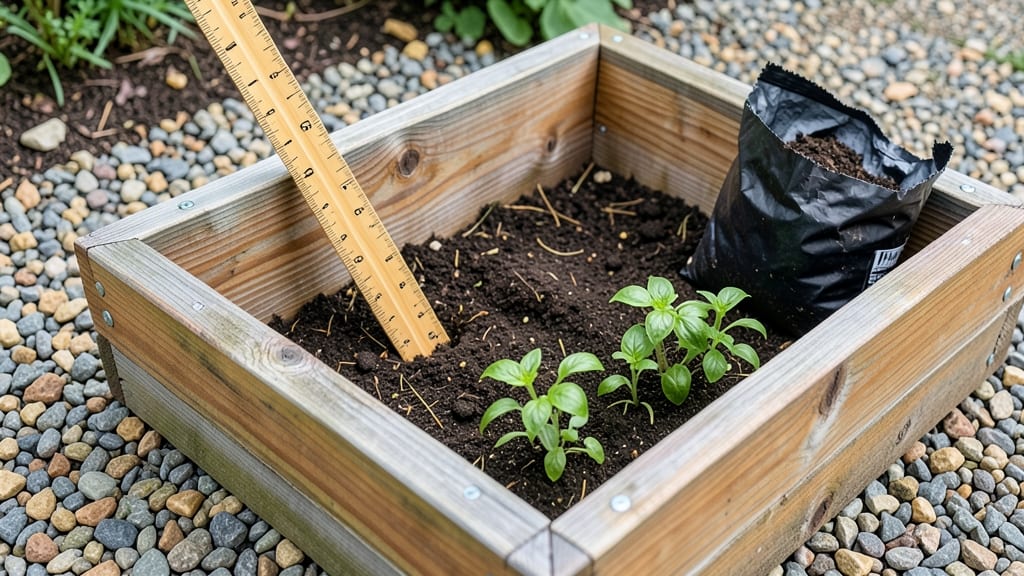
For an 8x4x2 raised garden bed, you'll need about 13 cubic feet of soil after accounting for settling and root space. This accounts for the 12.8 cubic feet calculated from multiplying length × width × height (8 × 4 × 2 = 64 cubic inches, converted to 4.27 cubic feet per inch).
Understanding soil volume is key to avoiding shortages during planting.
The extra 0.2 cubic feet accounts for natural compaction over time and the need for deeper root zones in some plants. 🌱 For example, a 4-foot-tall tomato plant requires at least 12 inches of soil depth, which is why the standard 2-foot height often feels limiting—many gardeners opt for 3-foot beds instead.
Always buy 5-10% more than calculated to ensure you have enough for adjustments.
Pro tip: Measure your native soil first. If it's heavy clay, consider blending in 30% compost to improve drainage. For sandy soil, mix in 20% coconut coir to retain moisture better. These adjustments make your 13 cubic feet go further while creating ideal growing conditions.
💡 In This Article
- Calculating Soil Volume for Raised Garden Beds
- Best Soil Mixes for 8x4x2 Raised Beds
Calculating soil volume for raised garden beds
The cubic feet calculation for your raised bed comes from multiplying the bed's dimensions (length × width × height) and converting the result from cubic inches to cubic feet.
For an 8x4x2 bed, that's 8 feet × 4 feet × 2 feet = 64 cubic feet of space—but wait, that's not quite right! Actually, you're measuring in inches first: 96" × 48" × 24", which equals 110,592 cubic inches.
Dividing by 1,728 cubic inches per cubic foot (since 12" × 12" × 12" = 1 cubic foot) gives you 64 cubic feet—but this is raw volume before accounting for soil compaction. 🌱
Here's where it gets interesting: most garden soils settle 10-25% after watering and planting. A 2-foot-tall bed might compact to just 18 inches in height after a season. That's why we divide by 12 inches (not 144 inches) in the formula—it's a standard conversion that accounts for this natural settling.
For deeper beds (like 3-foot), this effect becomes even more critical, as deeper soil holds more moisture and compacts differently. For example, a 8x4x3 bed would need 19.2 cubic feet of soil, but after settling, you'd want to plan for 22 cubic feet to ensure adequate depth.
Root depth matters more than you might think. Many vegetables need at least 12-18 inches of soil to thrive. In a 2-foot-tall bed, this leaves minimal room for error—especially if you're growing deep-rooted plants like carrots or potatoes.
That's why some gardeners opt for 3-foot beds, which provide 24 cubic feet of soil (or 27 cubic feet after rounding up). The extra height gives roots room to grow without hitting the bottom of the bed, reducing stress on plants and improving yield. 🌿
Let's compare standard raised bed sizes to see how soil volume scales:
- 8x4x1 bed: 3.3 cubic feet (ideal for herbs or shallow-rooted greens)
- 8x4x2 bed: 13 cubic feet (versatile for most vegetables)
- 8x4x3 bed: 19.2 cubic feet (best for deep-rooted crops)
- 4x4x2 bed: 3.3 cubic feet (small space, limited depth)
Notice how the volume jumps disproportionately with height? That's because volume scales with the cube of the dimensions. Doubling the height from 1 to 2 feet quadruples the soil volume (from 3.3 to 13 cubic feet), while doubling the length or width only doubles it.
This is why taller beds are more efficient for larger plants. For your 8x4x2 bed, the 13 cubic feet figure ensures you have enough soil for both planting and settling, while also leaving room for mulch or top-dressing later in the season.
One final tip: always buy soil in bulk bags (typically 40-pound bags, which cover about 0.75 cubic feet each). For your 13 cubic feet need, you'd need roughly 17 bags. Buying extra ensures you have enough for adjustments, and it's often cheaper than pre-mixed bags.
Plus, you can customize the mix to your soil type—whether that means adding more compost for clay-heavy areas or perlite for sandy soil. 💫