
Tools
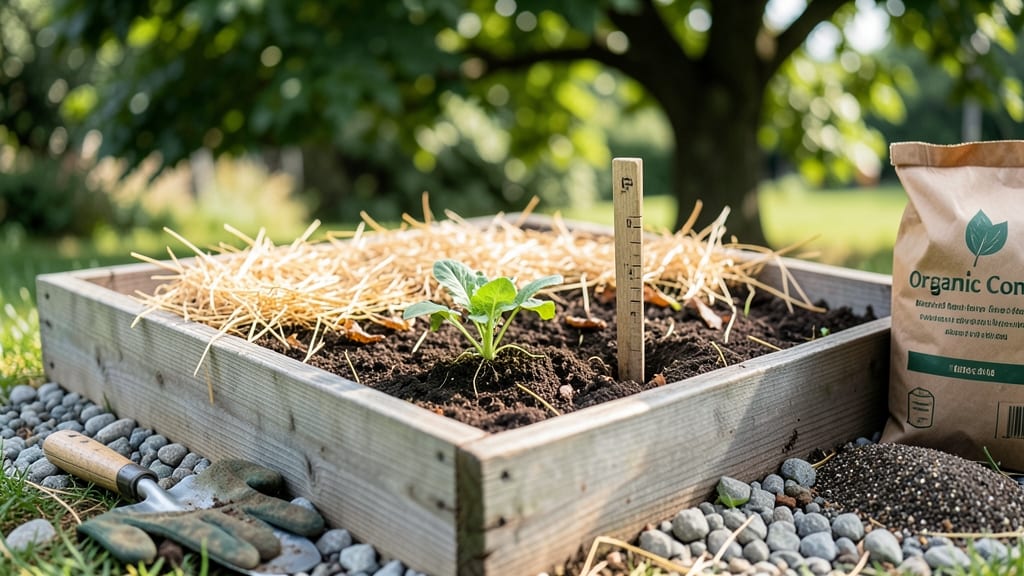
Your raised garden bed soil depth is the foundation of healthy plants, and getting it wrong can mean stunted veggies or wasted compost.
Picture this: you’ve spent hours layering rich soil, only to watch your carrots grow crooked or your tomatoes struggle to thrive. The issue isn’t the soil—it’s how deep it is. Too shallow, and roots suffocate; too deep, and you’re just wasting space (and money).
Most gardeners assume 6 inches is enough, but deep-rooted plants like potatoes and squash need 12+ inches to reach their full potential. The right depth isn’t just about space—it’s about drainage, aeration, and giving roots room to explore.
In this guide, I’ll break down the perfect soil depth for every plant type, how to layer your bed for maximum growth, and the 3 mistakes that ruin even the best soil mix. Let’s dig in!
Ideal raised garden bed soil depth by plant type: root requirements explained
When building your raised garden bed, soil depth isn't just about aesthetics—it's a critical factor for plant success. Roots need space to grow, access nutrients, and establish stability. Without proper depth, even the hardiest plants struggle, leading to stunted growth or poor yields.
The key is matching your soil depth to the specific root requirements of what you're growing.
Most gardeners assume deeper is always better, but the truth is more nuanced. For example, shallow-rooted herbs like basil or thyme thrive in just 6-8 inches of soil, while deep-rooted vegetables like carrots or potatoes demand 12+ inches.
Understanding these differences prevents wasted effort and ensures every plant gets the perfect growing environment.
For leafy greens and shallow-rooted herbs, a 6-8 inch soil depth works perfectly. These plants focus their energy on producing foliage rather than deep roots, so they don’t need much space. However, if you’re growing root vegetables, you’ll want to aim for at least 12 inches of soil.
Carrots, for example, can grow up to 16 inches long, so a shallow bed will leave them stunted or forking.
Deep-rooted plants like asparagus or rhubarb need even more space—18-24 inches of soil depth—to establish their extensive root systems. Without this, you’ll see poor harvests or plants that struggle to survive.
Think of your raised bed like a skyscraper: the deeper the foundation, the taller and stronger the structure can grow.
Another critical factor is drainage. A deeper bed allows excess water to flow away from roots, preventing rot. If your bed is too shallow, water pools at the bottom, suffocating roots and inviting pests.
For this reason, I always recommend adding a 4-6 inch drainage layer at the bottom of any raised bed, using materials like gravel or broken pottery.
When planning your raised garden bed layout, group plants with similar depth requirements together. For instance, place carrots and potatoes in one bed and basil and lettuce in another. This maximizes space and ensures no plant is left struggling.
It’s also a great way to organize your garden by watering needs, as deeper-rooted plants often require more frequent deep watering.
If you’re retrofitting an existing bed, don’t despair. You can add depth by layering compost and topsoil over time. Start with a 2-3 inch layer in the first year, then build up gradually.
This approach is gentler on your wallet and allows you to adjust as you learn what works best for your specific plants.
Pro tip: Always test your soil before planting. A simple pH test and soil analysis will tell you if your bed needs amendments like lime (to raise pH) or sulfur (to lower it). Balanced soil ensures roots can access the nutrients they need, no matter how deep they grow.
Remember, the goal isn’t just to fill your raised bed with soil—it’s to create a thriving ecosystem where roots can spread freely. With the right depth and composition, your plants will reward you with bigger harvests, healthier growth, and fewer problems down the road. Happy gardening! 🌱
Layering your raised garden bed: the perfect soil composition for maximum depth
Creating the ideal raised garden bed soil depth isn't just about throwing in dirt—it's about crafting a layered ecosystem that supports root growth while preventing waterlogging. The key is balancing drainage, nutrient density, and aeration from bottom to top.
I’ve learned that even a 6-inch bed can work for shallow-rooted herbs, but deep-rooted veggies like carrots or potatoes need 12+ inches to thrive.
Your soil layers should act like a sponge: the bottom layer wicks away excess water, the middle layer feeds roots, and the top layer provides a fluffy home for seedlings. Think of it as a lasagna of fertility—each layer has a job, and skipping one can stunt your plants.
For example, I once planted tomatoes in a bed with only topsoil, and their roots suffocated from poor drainage.
Don’t forget to test your layers before planting. Press your finger into the topsoil—it should feel like a sponge, not concrete. If it’s too dense, add more compost or perlite.
I once had a bed where the top layer compacted after rain, and my peppers struggled to establish roots. A quick fluffing with a fork fixed it!
For long-term fertility, top-dress with 2 inches of compost every spring and mulch with straw to retain moisture. This mimics nature’s cycle and keeps your soil layers working harmoniously. My 18-inch beds now grow squash with 10-pound roots—proof that depth matters more than you think.
Remember, the ideal depth depends on your plants: 6 inches for herbs, 12 inches for most veggies, and 18+ inches for trees or deep taproots. Start with these layers, and your raised bed will become a powerhouse of productivity.