
Tools
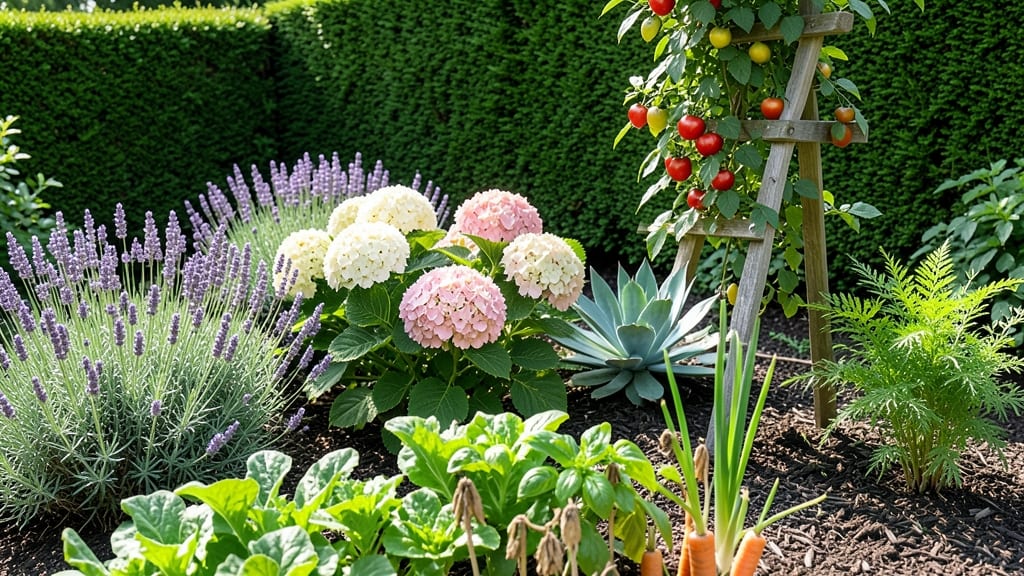
Describing a garden vividly means using adjectives like lush, fragrant, wild, serene, or bountiful to paint a picture of its unique character—whether it's a fragrant herb spiral, a sunlit wildflower meadow, or a meticulously pruned formal garden. Match your word choices to the garden's seasonal mood or plant types for richer descriptions.
Garden descriptions come alive when you pair adjectives with specific elements. 🌿 For example, "tropical" works perfectly for fern-filled corners, while "monochromatic" suits modern minimalist designs with silver foliage. The right words can evoke sensory details—like "aromatic" for herb gardens or "whimsical" for cottage-style borders bursting with peonies and roses.
Think about the garden's function too: a vegetable patch might be "productive" or "abundant," while a meditation garden calls for "tranquil" or "reflective" descriptors.
The best adjectives create emotional connections. A "sun-dappled" garden feels inviting, while "frost-kissed" evokes winter charm. For seasonal shifts, swap "vibrant" for summer blooms with "cozy" for autumn's fallen leaves.
Pro tip: Pair contrasting adjectives like "wild yet orderly" for a naturalistic garden or "structured yet organic" for a modern landscape. The key is balancing specificity with atmosphere to make your descriptions unforgettable.
💡 In This Article
- How Plant Types Influence Garden Adjectives
- Mood-Based Adjectives for Seasonal Garden Descriptions
How plant types influence garden adjectives
The texture and structure of plants directly shape which adjectives feel most natural. For instance, tropical works beautifully for gardens filled with ferns, monstera, or bird-of-paradise plants—these broad-leafed species create a lush, almost rainforest-like atmosphere.
The large, glossy foliage and dense growth patterns evoke images of humidity and warmth, making words like verdant or exotic equally fitting. In contrast, herb gardens thrive with descriptors like aromatic or medicinal, since plants like rosemary, thyme, and lavender release scents that define the space.
Flowering plants offer another layer of specificity. Cottage gardens bursting with peonies, roses, and delphiniums beg for whimsical or romantic adjectives, while modern landscapes with silver foliage (like lamb's ear or dusty miller) pair perfectly with monochromatic or minimalist.
Even the growth habit matters—rugged suits native wildflower meadows with their untamed, wind-swept beauty, while structured fits neatly trimmed boxwood hedges or geometric topiaries. The key is matching the plant's natural form to the emotional tone you want to convey.
Consider how light interacts with foliage too. Glossy leaves reflect sunlight, creating sun-dappled or glowing effects, while velvety petals (like hydrangeas) invite soft or velvet descriptors. The science behind this lies in how our brains associate textures with emotions—rough surfaces trigger feelings of ruggedness, while smooth ones feel calming.
For example, a garden with succulent plants (like sedum or echeveria) might feel modern or architectural, since their geometric shapes contrast with organic forms.
Seasonal adaptations also play a role. Evergreen shrubs like boxwood or holly maintain their evergreen or timeless qualities year-round, while deciduous trees create seasonal transformations—golden in autumn or bare in winter.
Even the scent profile changes adjectives: fragrant suits spring blooms like lilacs, while earthy describes the scent of damp soil in autumn. This is why gardeners often pair plants strategically to create layered sensory experiences.
Don't overlook the role of scale. A tiny garden might use intimate or cozy adjectives, while a vast landscape calls for expansive or boundless. The contrast between micro and macro creates visual interest—think of a delicate fern nestled among bold sunflowers.
This interplay of opposites makes descriptions more dynamic. For instance, a wild garden section next to a manicured lawn creates a contrasting or harmonious effect, depending on your perspective.
Pro tip: Observe how light filters through different plant types. Fine foliage (like ferns) creates dappled shadows, while broad leaves cast sharp edges. These visual patterns influence which adjectives feel most authentic.
For example, a garden with filigree-like foliage (like Japanese maples) might be called intricate or delicate, while a thick hedge feels solid or protective. The right words make your descriptions feel tangible and immersive.