
Pests
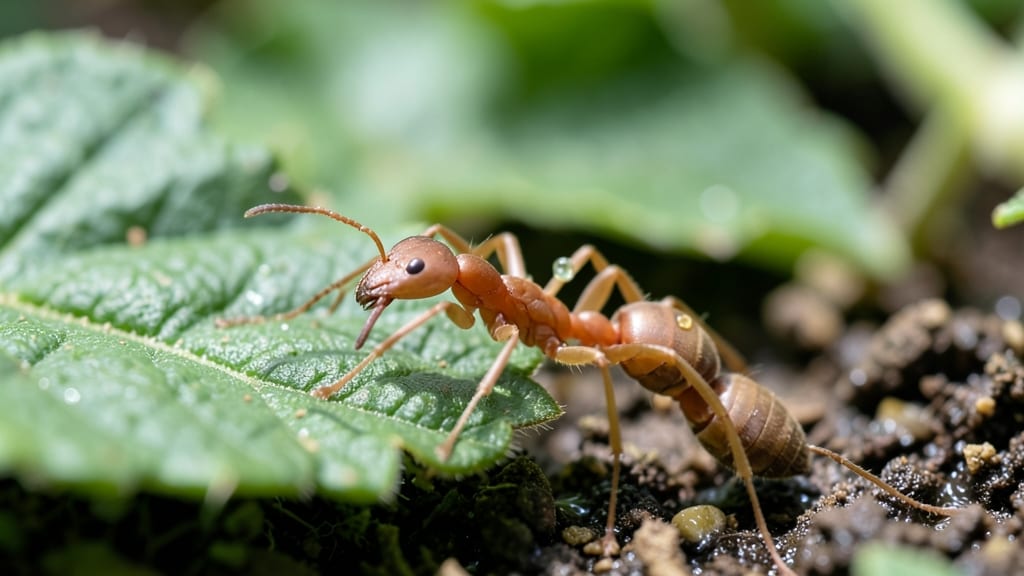
Ants in a garden aren’t always bad—they aerate soil, control pests like aphids, and improve nutrient cycling, but certain species can damage roots, spread fungal diseases, or disrupt beneficial insects if their populations explode. The key is fostering helpful varieties while controlling invasive ones.
Are ants bad for a garden? Most gardeners overlook how they actually enhance soil health by breaking down organic matter and creating tunnels that improve drainage. 🌱 However, species like fire ants or carpenter ants can become problematic—fire ants build mounds that smother plant roots, while carpenter ants tunnel into wood, weakening structures. The real challenge lies in distinguishing between these pests and the harmless (or even beneficial) varieties that keep your garden thriving.
To maintain balance, focus on preventive measures like reducing moisture near plant bases (ants need water) and using natural barriers such as crushed eggshells or cinnamon. For established colonies, targeted baits with borax or organic sprays work best—just avoid broad-spectrum pesticides that harm pollinators.
The goal isn’t eradication but harmony, letting ants do their good work while keeping their numbers in check.
💡 In This Article
- How Ants Benefit and Harm Garden Ecosystems
- Natural Ways to Manage Ants in Your Garden
How ants benefit and harm garden ecosystems
Ants play a dual role in gardens by acting as both ecological engineers and potential pests. Beneficial species like pavement ants and harvester ants improve soil structure by tunneling through it, which enhances aeration and water drainage.
These tunnels can increase soil porosity by up to 30%, helping roots breathe and absorb nutrients more efficiently. 🌱 They also act as natural pest controllers by preying on soft-bodied insects like aphids, mealybugs, and caterpillars, which can reduce the need for chemical pesticides.
The harm ants cause depends on the species and their behavior. Fire ants, for example, build large mounds that can smother plant roots and create uneven terrain, while carpenter ants tunnel into wooden structures like fence posts or garden trellises, weakening them over time.
Leafcutter ants, found in warmer climates, transport fungal spores that they cultivate underground—this fungal growth can compete with plant roots for nutrients, stunting growth. Even seemingly harmless ants can become problematic if their numbers explode, as they may disrupt beneficial insect populations like bees and ladybugs.
The key difference lies in their feeding habits and colony size. Ants that feed on seeds, like harvester ants, can reduce seed germination rates by up to 50% in some cases, while others that farm fungi create underground networks that may harbor harmful pathogens.
Conversely, ants that scavenge for insects or dead organic matter contribute to nutrient recycling, breaking down matter into forms plants can use. This duality means gardeners must observe ant activity closely to determine whether intervention is needed.
Identifying harmful ants often comes down to their physical traits and behavior. Fire ants, for instance, have a distinctive reddish-brown color and aggressive nature, while carpenter ants are larger and leave behind sawdust-like frass near their entry points.
Leafcutter ants, on the other hand, are known for their organized trails of workers carrying leaf fragments. Understanding these distinctions helps gardeners take targeted action without harming beneficial species. 🔍
Soil health is another critical factor. Ants that aerate the soil indirectly support plant growth, but their tunnels can also create pathways for water runoff, leading to erosion in sloped gardens.
The balance between these benefits and drawbacks depends on the garden's specific conditions, such as soil type, plant species, and local climate. For example, sandy soils benefit more from ant tunnels than clay soils, where drainage is already an issue.
In summary, ants are neither universally good nor bad—their impact hinges on species, behavior, and garden context. A thriving garden often has a mix of ant species, each playing a unique role in the ecosystem.
The challenge is recognizing when their presence becomes overwhelming and taking steps to manage it without disrupting the natural balance. 🌿