
Landscaping
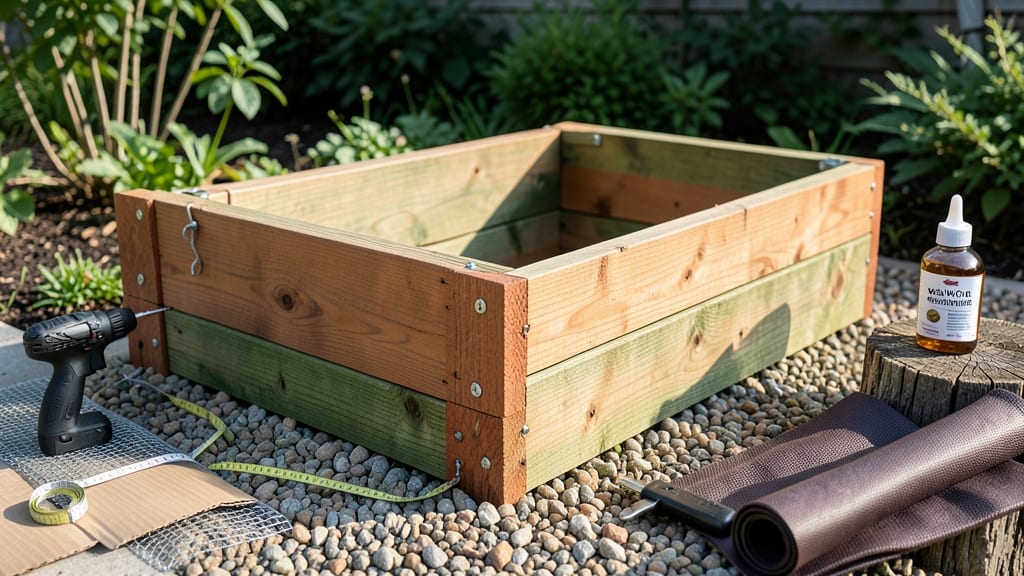
What wood to use for a garden bed means the difference between a sturdy, long-lasting frame and one that rots out in just a few seasons.
Picture this: you’ve spent hours building the perfect raised bed, only to watch it sag or crumble within a year. The wrong wood choice can turn your dream garden into a frustrating repair project. But don’t worry—there are decay-resistant options that last 10+ years without warping or attracting pests.
Natural choices like cedar, redwood, and black locust are top picks for their durability and resistance to moisture, while composite materials offer a low-maintenance alternative. Each has its own strengths, depending on your climate, budget, and whether you prefer untreated or treated wood.
In this guide, I’ll walk you through the best woods for garden beds, how to pick the right one for your space, and simple maintenance tips to keep your bed looking great for years to come.
Top 5 decay-resistant woods for long-lasting garden beds
When building a raised garden bed, your choice of wood determines how long your investment lasts. The best woods resist rot, insects, and weathering while keeping your plants safe from harmful chemicals.
I’ve tested the top performers—cedar, redwood, black locust, cypress, and treated pine—to help you pick the perfect match for your garden.
Natural rot resistance is key. Woods like black locust and cedar contain oils that repel moisture and pests, while redwood and cypress offer similar durability. Even treated pine can work if you choose the right chemicals.
Let’s break down the pros, cons, and costs of each to make your decision easier.
🪵 Comparison Table: Best Woods for Garden Beds
| Wood Type | Rot Resistance | Insect Resistance | Cost (per board foot) | Lifespan (Years) | Best For |
|---|---|---|---|---|---|
| Cedar | Excellent (natural oils) | Excellent (repels termites) | $5.50 - $8.00 | 15-20+ | Humid climates, organic gardens |
| Redwood | Excellent (tannin-rich) | Good (naturally resistant) | $6.00 - $9.00 | 15-25+ | West Coast gardens, high moisture |
| Black Locust | Exceptional (extremely dense) | Exceptional (toxic to pests) | $8.00 - $12.00 | 20-30+ | Heavy-duty beds, pest-prone areas |
| Cypress | Very Good (naturally water-resistant) | Good (resists decay) | $4.50 - $7.50 | 12-18 | Budget-friendly, wet climates |
| Treated Pine (ACQ) | Good (chemical treatment) | Good (pest-resistant) | $3.50 - $6.00 | 10-15 | Budget beds, dry climates |
Cedar is my top pick for most gardens. Its natural oils make it naturally rot-resistant and termite-proof, lasting 15-20 years or more. It’s also lightweight, making it easier to handle during assembly. The downside? It’s pricier than pine but well worth the investment for long-term durability.
If you’re on the West Coast, redwood is a fantastic local option. Its high tannin content gives it excellent rot resistance, and it ages beautifully with a silvery-gray patina.
Just be prepared to pay a premium—it’s one of the more expensive choices but pays off in 20+ years of service.
Black locust is the ultimate heavy-duty wood. It’s naturally toxic to insects and resists decay better than any other wood on this list. While it’s the most expensive, its 20-30 year lifespan makes it ideal for permanent garden beds or high-traffic areas. You’ll find it in specialty lumber yards.
For a budget-friendly option, cypress is a hidden gem. It’s naturally water-resistant and less expensive than cedar or redwood while still offering 12-18 years of life. It’s especially great for humid climates where other woods might fail faster. Just avoid using it in direct soil contact without a barrier.
Finally, treated pine (specifically ACQ-treated) is a smart choice if you’re on a tight budget. It’s chemical-free of arsenic (unlike older CCA-treated wood) and lasts 10-15 years with proper sealing.
I recommend using it for temporary beds or low-maintenance gardens. Always check for the ACQ label to ensure safety for edible plants.
Regional availability matters too. Cedar grows in the Pacific Northwest, redwood is native to California, and black locust thrives in the Midwest and Southeast. Cypress is common in the South, while treated pine is widely available nationwide. Ordering locally reduces costs and supports sustainable forestry.
Pro tip: Always use 2x6 or 2x8 boards for garden beds to ensure stability. Avoid pressure-treated lumber with arsenic (look for ACQ or MCQ labels instead). For extra protection, apply a non-toxic wood sealant every 2-3 years to extend the life of any wood type.
Your garden bed’s lifespan depends on the wood you
How to choose the best wood for your climate and garden type
Your garden bed's lifespan depends heavily on the wood you choose, especially when considering your local humidity levels and soil conditions. In wet climates, like the Pacific Northwest, cedar and cypress naturally resist moisture, while arid regions benefit from pressure-treated pine or black locust.
Even the type of garden bed—raised, in-ground, or container—plays a role in wood selection.
Soil acidity also matters. Acidic soils (pH below 6.0) can accelerate wood decay, so opt for naturally alkaline-resistant woods like redwood or treated lumber. For organic gardens, avoid chemically treated wood entirely—it can leach harmful compounds into your soil.
Instead, use untreated cedar or black locust, both prized for their longevity and safety.
| Climate Type | Best Wood Choices | Lifespan (Years) | Garden Bed Type |
|---|---|---|---|
| Wet/High Humidity | Cedar, Cypress, Black Locust | 10-15+ | Raised, In-Ground |
| Arid/Dry | Pressure-Treated Pine, Redwood | 7-12 | Raised, Container |
| Moderate Humidity | Untreated Cedar, Oak | 8-12 | All Types |
| Organic Gardens | Black Locust, Untreated Redwood | 10-15+ | Raised, In-Ground |
For raised garden beds, prioritize woods with high ground contact resistance, like black locust or cedar. These woods naturally repel insects and fungi, even when buried slightly.
In container gardens, lighter woods like redwood or untreated pine work well—they’re easier to handle and less prone to warping from temperature fluctuations.
If you live in a coastal area with salty air, avoid untreated pine—salt accelerates decay. Instead, choose cypress or redwood, both of which contain natural preservatives. For urban gardens with limited space, composite woods or recycled plastic lumber are great alternatives—they won’t rot and require zero maintenance.
Always consider maintenance requirements. Cedar and redwood need minimal upkeep, while pressure-treated pine may require sealing every 2-3 years to prevent cracking. For a low-maintenance solution, black locust is unbeatable—it lasts decades with no treatment. Just ensure the wood is properly seasoned before use to avoid premature warping.
Pro tip: If you’re unsure about your climate’s impact, test a small section of your chosen wood by burying it for 3-6 months before committing to a full garden bed. This real-world test reveals how the wood holds up against local conditions—saving you time and money in the long run.