
Pests
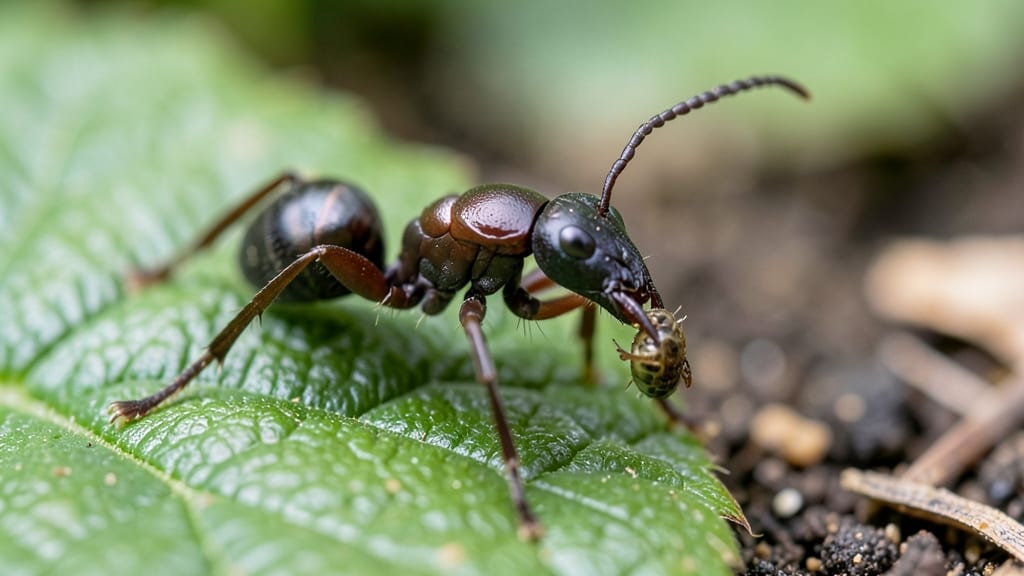
Ants can be highly beneficial to a garden by improving soil aeration, decomposing organic matter, and naturally controlling pests like aphids, though certain species may harm plants or disrupt root systems. Their impact depends entirely on the types present and their balance in your garden's ecosystem.
Ants act like tiny garden engineers, turning over soil as they dig tunnels that improve drainage and root penetration. 🌱 Their decomposing habits break down fallen leaves and plant debris into nutrient-rich compost, feeding your soil naturally.
What's fascinating is how they also regulate pests—harvester ants, for example, prey on grubs and caterpillars, while Argentine ants disrupt harmful aphid colonies. The key is maintaining a healthy population without letting any one species dominate, as overabundance can lead to plant damage or competition for resources.
For gardeners, this means observing ant trails and activity levels. If you notice large mounds or aggressive behavior near plant roots, it might signal an imbalance. 🐞 Some species, like fire ants, can actually harm plants by disturbing root systems or stinging beneficial insects.
The solution? Encourage diversity by planting native flowers that attract different ant species, and use natural deterrents like diatomaceous earth only when absolutely necessary.
💡 In This Article
- How Ants Improve Soil Health and Plant Growth
- Managing Ant Populations in Your Garden
How ants improve soil health and plant growth
Ants function as nature's soil aerators, creating intricate tunnel networks that extend up to 3 feet deep in some species.
These tunnels improve water infiltration by 30-50%, reducing compaction and allowing roots to access oxygen more efficiently. 🌱 For example, harvester ants dig vertical shafts that break up hardpan layers, while leafcutter ants create horizontal tunnels that distribute nutrients evenly. The result?
Plants grow stronger because their roots encounter less resistance and more available nutrients.
Beyond aeration, ants play a crucial role in nutrient cycling by decomposing organic matter. Worker ants collect fallen leaves, dead insects, and plant debris, then transport them to underground chambers where they mix with fungal gardens (in leafcutters) or microbial colonies.
This process accelerates decomposition, converting complex organic material into simpler compounds that plants can absorb. 🔥 Studies show that gardens with active ant populations have 20-40% more nitrogen in their topsoil compared to ant-free areas, thanks to this natural composting system.
What makes ants particularly valuable is their pest-control ecosystem service. Many species actively hunt garden pests like aphids, caterpillars, and grubs, reducing the need for chemical interventions.
Argentine ants, for instance, form mutualistic relationships with aphids by protecting them from predators in exchange for honeydew—a sugary secretion that ants farm like livestock. 🐞 This behavior indirectly benefits gardeners by keeping aphid populations in check.
The key is this balance: beneficial ants control pests while harmful species (like fire ants) can damage plants through aggressive mound-building near roots.
Different ant species contribute uniquely to soil health. Harvester ants, for example, primarily consume seeds and small insects, which prevents weed seed germination. Meanwhile, carpenter ants break down dead wood, returning nutrients to the soil.
The diversity of these roles creates a resilient ecosystem where no single species dominates. 💫 What's often overlooked is how ants also disperse seeds—some species carry seeds in their mandibles and deposit them in their mounds, effectively planting new vegetation across the garden.
For gardeners looking to harness these benefits, observe which ant species are active in your space. Leafcutter ants (with their white fungal gardens) and pavement ants (common in urban gardens) are particularly effective at soil improvement.
The challenge comes when invasive species like fire ants establish colonies, as their aggressive mound-building can damage plant roots and create unsightly disturbances. 🌟 The solution lies in maintaining ecological balance—planting native ground covers and avoiding broad-spectrum pesticides that might eliminate beneficial ants along with pests.
Consider this: a single harvester ant colony can process up to 10,000 seeds per year while simultaneously aerating soil and controlling pests. That's why many organic gardeners view ants as essential allies rather than nuisances—when properly balanced, they transform garden ecosystems into more productive, self-regulating environments. 💛