
Advice
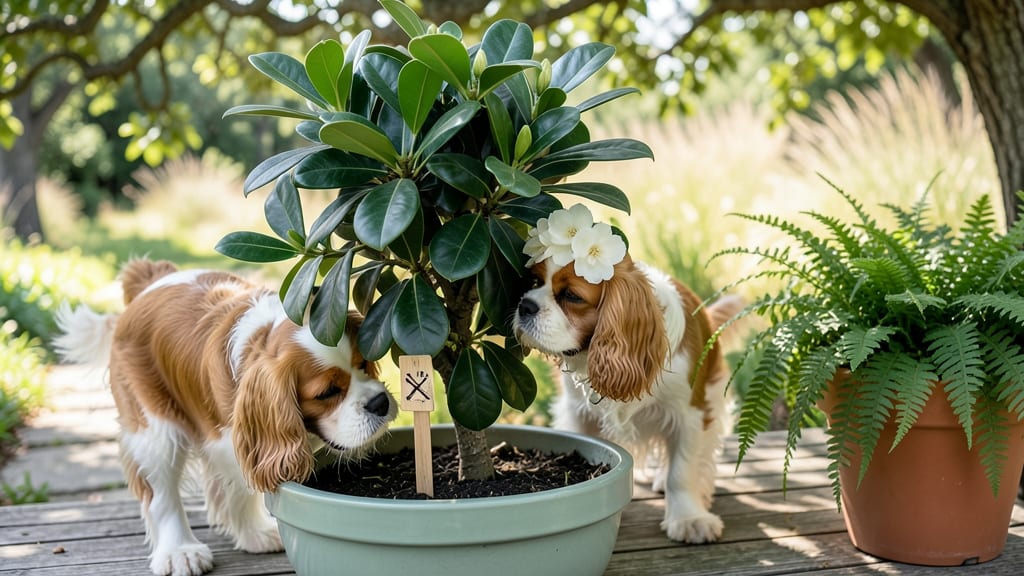
Gardenias are poisonous to dogs because they contain saponins and glycosides, which trigger vomiting, diarrhea, and drooling if chewed or ingested. Act fast by removing access and calling your vet if symptoms appear.
These toxic compounds irritate a dog's digestive system and can lead to more serious issues like dehydration or lethargy, especially with larger amounts. 🐾 The flowers' strong fragrance often attracts curious pets, but even small nibbles can cause problems.
I always recommend keeping gardenias out of reach—your dog's safety isn't worth the risk of a beautiful bloom.
If you love the look of gardenias but want pet-friendly options, consider marigolds or roses—they're safer and still add gorgeous color to your garden. Many nurseries carry labeled pet-safe plants, so you can create a beautiful outdoor space without compromising your pup's health.
💡 In This Article
- Toxic Compounds in Gardenias and Their Effects on Dogs
- Safe Dog-Friendly Alternatives to Gardenias for Gardens
Toxic compounds in gardenias and their effects on dogs
Gardenias contain two primary toxic compounds that pose risks to dogs: saponins and glycosides. Saponins create a soapy, bitter taste that dogs find unappealing but may still ingest. These compounds irritate the gastrointestinal lining, triggering immediate symptoms like excessive drooling and vomiting within 30-60 minutes of exposure.
The severity depends on the amount consumed—even small petals can cause mild reactions, while larger ingestions may lead to more severe symptoms.
The glycosides in gardenias are particularly concerning because they break down into cyanogenic glycosides when metabolized, which can affect a dog's red blood cells and potentially lead to oxygen transport issues.
This is why symptoms often escalate beyond digestive upset to include lethargy, weakness, or even collapse in extreme cases. 💛 The strong fragrance of gardenias also makes them irresistible to curious dogs, increasing the risk of accidental ingestion.
Dogs typically show symptoms within 6-12 hours of consuming gardenia parts, with vomiting and diarrhea being the most common early signs. These reactions aren't just uncomfortable—they can lead to dehydration if fluids aren't replenished.
Larger dogs may handle small amounts better than smaller breeds, but individual sensitivities vary. The key is acting quickly: removing access to the plant and contacting your vet immediately can prevent complications.
What makes gardenias especially dangerous is their widespread use in landscaping and indoor decor. Many owners don't realize these plants are toxic, and their glossy leaves and fragrant flowers make them particularly appealing to pets.
Even gardenia-scented candles or potpourri can pose risks if dogs ingest the plant materials used in their production. Always double-check plant safety before bringing them into your home or yard.
If your dog shows signs of gardenia poisoning, don't wait for symptoms to worsen. Inducing vomiting (only under veterinary guidance) and providing fresh water can help, but professional treatment is often necessary.
Vets may administer activated charcoal to bind toxins in the stomach or provide IV fluids to combat dehydration. 🐾 The sooner you act, the better your dog's chances of a full recovery.
Prevention is the best approach—keep gardenias in elevated planters or enclosed garden areas where curious paws can't reach. If you're unsure about a plant's safety, check the ASPCA's list of toxic and non-toxic plants for dogs. Your dog's health is worth taking these simple precautions!