
Pests and Diseases
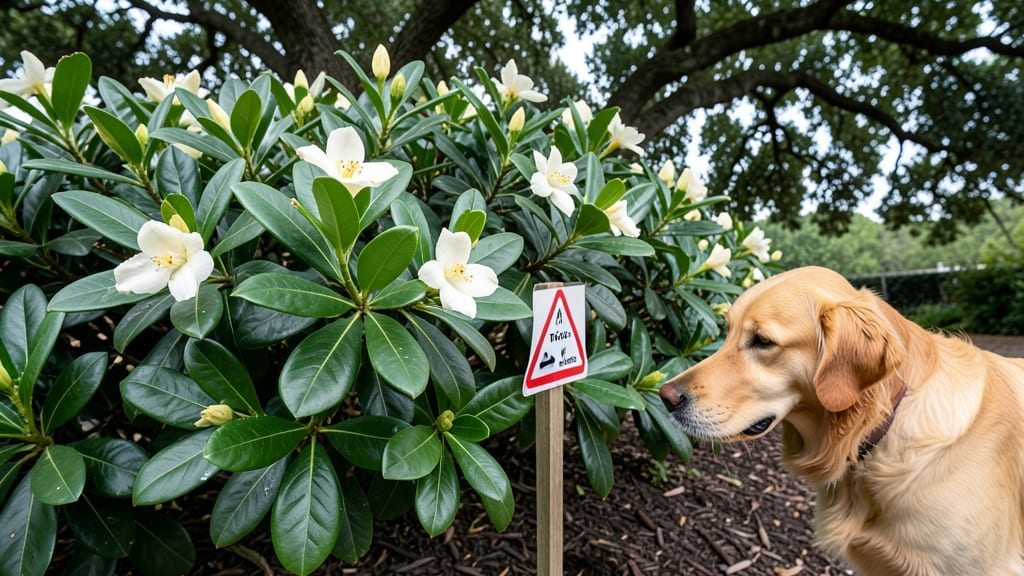
Gardenias are poisonous when ingested in large quantities, containing toxic compounds like saponins and cardiac glycosides that can cause nausea, vomiting, or skin irritation upon contact. Keep them out of reach of children and pets.
These beautiful flowering plants contain natural toxins that can trigger adverse reactions in both humans and animals. 🌸 While occasional exposure to gardenia leaves or flowers may cause mild stomach upset, larger ingestions—especially for pets like dogs or cats—can lead to more severe symptoms such as diarrhea, lethargy, or even cardiac issues.
The saponins disrupt cell membranes, while cardiac glycosides affect heart function, making pets particularly vulnerable due to their smaller body size and lower tolerance for toxins.
For gardeners and pet owners, the key is prevention. Always wear gloves when handling gardenias, and dispose of clippings in sealed bags to prevent accidental ingestion. If you suspect poisoning, contact a vet or poison control immediately—early intervention can make all the difference.
💡 In This Article
- Toxic Compounds in Gardenias and Their Effects on Health
- Safe Gardenia Handling: Tips for Gardeners and Pet Owners
Toxic compounds in gardenias and their effects on health
Gardenias contain two primary toxic compounds: saponins and cardiac glycosides, both of which disrupt normal bodily functions. Saponins are natural detergents that create foam when mixed with water, but in the body, they damage cell membranes—especially in the digestive tract.
This leads to irritation, vomiting, and diarrhea, as the lining of the stomach and intestines becomes inflamed. Cardiac glycosides, on the other hand, interfere with the heart's sodium-potassium pump, potentially causing irregular heartbeats or even cardiac arrest in severe cases.
The severity of symptoms depends on the amount ingested. For humans, consuming more than 10-15 leaves (about 1-2 teaspoons of crushed material) can trigger mild to moderate reactions, while flowers are less concentrated but still risky in large quantities. Pets, however, are far more vulnerable due to their smaller size.
A single leaf or flower could cause poisoning in a small dog or cat, as their metabolic rate processes toxins faster. 🐾 For example, a 10-pound dog might experience symptoms after ingesting just 2-3 leaves, while a human would likely need to consume a full handful to feel effects.
Allergic reactions are another concern, particularly with gardenia pollen or sap. Some people develop contact dermatitis—red, itchy rashes—after handling the plant without gloves. The oils in gardenia leaves can also trigger respiratory irritation in sensitive individuals, causing coughing or sneezing.
Unlike ingestion, these reactions are usually mild but can be uncomfortable, especially for those with pre-existing skin conditions or allergies.
Pets exhibit different symptoms than humans due to their physiology. Dogs and cats often show drooling, vomiting, lethargy, or difficulty breathing within hours of exposure, while humans may experience delayed symptoms like nausea or dizziness.
The key difference lies in how quickly toxins are absorbed: a pet’s smaller digestive system processes gardenia toxins in as little as 30 minutes, whereas humans may take 4-6 hours to show signs. This rapid onset is why pet owners must act swiftly if ingestion occurs.
Cardiac glycosides are particularly dangerous because they mimic natural heart hormones, leading to bradycardia (slow heart rate) or arrhythmias. In extreme cases, they can cause heart block, where electrical signals between heart chambers are disrupted.
While rare, this risk is why gardenias should never be planted near areas where pets roam freely. Even dried gardenia leaves retain toxicity, so discarded plant material poses a year-round hazard.
Understanding these mechanisms helps explain why gardenias—despite their beauty—require careful handling. The combination of saponins and cardiac glycosides makes them a double threat: one disrupts digestion, while the other targets the heart.
This dual toxicity is why veterinarians often treat pet poisonings with activated charcoal to bind toxins and IV fluids to flush the system, while human cases may only need supportive care like antiemetics for nausea.
For those with gardenias in their homes, the lesson is clear: admire from afar. Even a single leaf isn’t worth the risk for pets, and accidental ingestion by children can happen in seconds. The science behind gardenia toxicity isn’t just about fear—it’s about respect for nature’s warnings. 🌿