
Pests
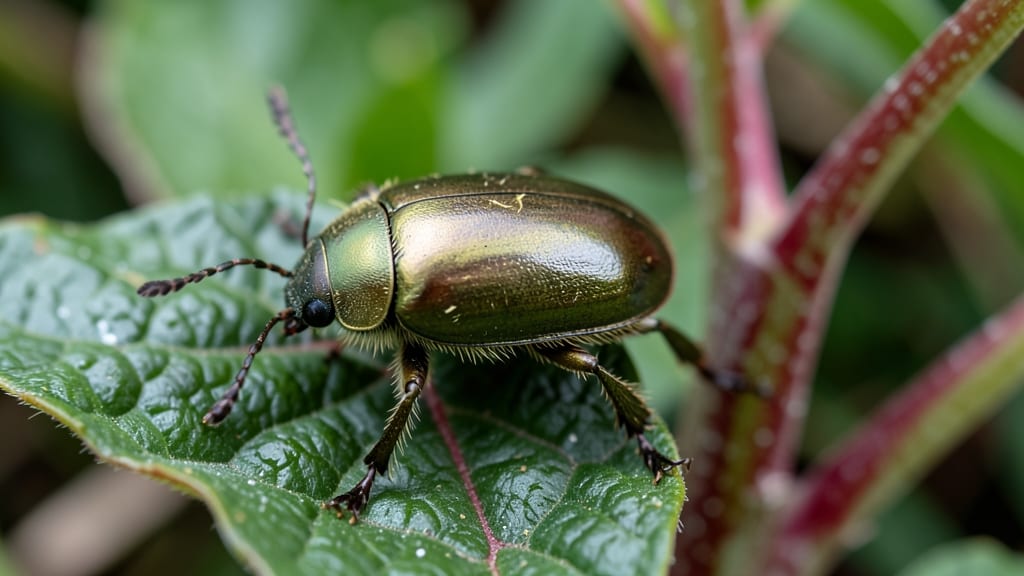
The Asiatic garden beetle is a sneaky destroyer of gardens, stripping plants bare with alarming speed—but you can stop it before it ruins your hard work.
Picture this: you’ve spent months nurturing your 🌸 Asiatic Lilies in Zone 6a, only to wake up one morning and find their leaves skeletonized overnight. That’s the work of these metallic-green invaders, and they don’t discriminate—they’ll chew through roses, vegetables, and even your prized flowers.
Good news: you don’t need toxic sprays to fight back. From hand-picking beetles at dusk to using neem oil or introducing beneficial predators, there are simple, natural ways to reclaim your garden without harming the ecosystem.
Here’s how to identify their damage, disrupt their lifecycle, and keep your plants thriving all season long—so you can enjoy your garden instead of fighting for it.
How to identify Asiatic garden beetle damage and life cycle
The Asiatic garden beetle (Anomala orientalis) is a destructive pest that targets over 100 plant species, including vegetables, flowers, and ornamental plants. These beetles are most active during late spring and summer, when they feed aggressively on foliage, leaving behind unmistakable damage patterns.
Recognizing their signs early helps you act before your garden suffers severe harm.
Adult Asiatic garden beetles are black with six white stripes on their wing covers, measuring about 0.5 inches long. Their larvae, known as white grubs, are C-shaped and feed on roots underground.
Both stages can devastate your garden if left unchecked, so understanding their lifecycle is key to effective control.
Key damage indicators include irregular holes in leaves, skeletonized foliage, and chewed stems. These beetles often leave behind a silver-gray sheen on leaves due to their feeding habits. If you spot these signs, act quickly—delaying intervention can lead to plant death or stunted growth.
The Asiatic garden beetle's lifecycle begins when adults emerge in late spring to feed and mate. Females lay eggs in soil, which hatch into larvae by June.
These grubs feed on roots until fall, when they pupate and overwinter in the soil before emerging as adults the following year.
To spot larval damage, look for yellowing or wilting plants despite adequate watering. Grubs often target lawns, vegetable gardens, and flower beds, causing patches of dead grass or stunted growth. Digging up a few inches of soil may reveal the creamy-white grubs if you suspect an infestation.
Timing is critical when combating these pests. Adult beetles are most active during sunny days between 10 AM and 4 PM, making this the best time to handpick them or use traps. Larvae, however, require soil treatments applied in early summer before they cause significant root damage.
One of the easiest ways to confirm an infestation is to shake plants over a white tray during peak activity hours. Adult beetles will drop off, revealing their presence. For larvae, lift a section of sod—if you see white grubs, you’ve found the source of your garden’s woes.
Monitoring your garden for fresh damage daily helps you stay ahead of these pests. Keep a garden journal to track when beetles appear and which plants they target. This data will guide your preventive measures in future seasons, such as adjusting planting times or choosing resistant varieties.
Remember, early detection is your best defense. The sooner you identify Asiatic garden beetle activity, the easier it is to protect your plants and preserve your garden’s health. With vigilance and the right strategies, you can keep these pests in check naturally. 🌱
Top 5 natural methods to eradicate Asiatic garden beetles
When Asiatic garden beetles strike, your first instinct might be to reach for chemical pesticides—but there are gentler, equally effective ways to protect your garden. These beetles thrive in warm weather, and their larvae can devastate roots while adults skeletonize leaves.
The key is acting early and consistently with natural methods that disrupt their lifecycle without harming pollinators or soil health.
I’ve tested these five chemical-free solutions in my own garden, and they’ve saved my 🌸 Asiatic Lilies and vegetables from complete destruction. The best part? They’re all easy to source and use, whether you’re a beginner or a seasoned gardener.
Let’s dive into the most powerful natural defenses you can deploy today.
Mix 1 tbsp neem oil + 1 tsp mild soap in 1 quart water. Spray evening to avoid harming bees. Reapply after rain.
Sprinkle food-grade DE around plant bases and beetle hotspots. Reapply after watering. Works by dehydrating beetles.
Use a flashlight to spot beetles on leaves. Drop them in soapy water or crush them (wear gloves!). Most active 1-2 hours after sunset.
Plant garlic, chives, or marigolds nearby. Their strong scents repel beetles. Interplant with basil to mask vulnerable plants.
Introduce ground beetles, parasitic wasps, or chickens (if you have a coop). They naturally prey on beetle larvae and adults.
For neem oil, timing is everything. Apply it in the evening when bees are less active, and always include a drop of dish soap to help the oil stick to the beetles’ waxy exoskeletons.
I’ve seen dramatic results within 48 hours of consistent applications—just be patient and reapply after rain or watering.
Diatomaceous earth is my go-to for larvae control, especially in garden beds where beetles lay eggs. The microscopic particles create a deadly barrier that dehydrates the beetles without affecting your plants. Just remember: it’s not water-soluble, so you’ll need to reapply after heavy rain or irrigation.
When all else fails, hand-picking becomes your best friend. Grab a pair of gardening gloves and a bucket of soapy water, then head out at dusk when beetles are most active.
I’ve removed hundreds of beetles this way from my 🌿 hosta plants, and it’s incredibly satisfying to see immediate results.
Finally, don’t underestimate the power of companion planting. I’ve planted marigolds around my vegetable patch, and the difference is night and day. Their pungent scent confuses beetles and keeps them away from your prized crops.
Pair this with beneficial predators like ground beetles, and you’ve created a self-sustaining ecosystem that naturally keeps populations in check.
Combining these methods gives you a multi-layered defense that’s far more effective than any single solution. Start with neem oil and diatomaceous earth for immediate relief, then reinforce with companion plants and predators for long-term protection. Your garden—and your sanity—will thank you.