Fertilization
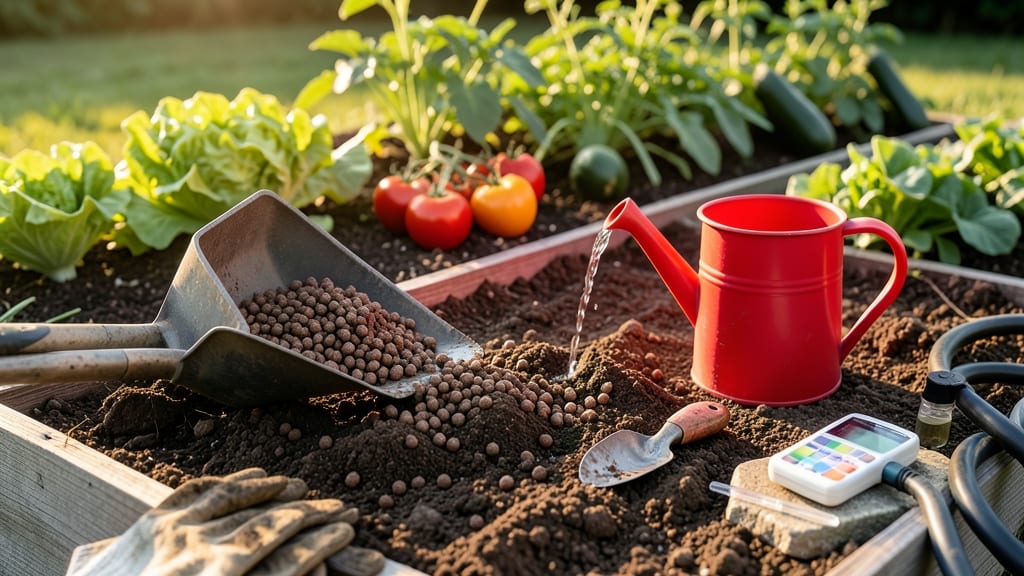
To apply fertilizer to your vegetable garden at the right time means feeding your plants when they’re hungry—not when they’re already full.
Picture this: You’ve just planted your seeds, the soil is warm, and you’re eager to see growth. But if you fertilize too early, you’ll burn tender roots. Too late, and your crops miss out on the nutrients they need to thrive.
Getting the timing right isn’t just about throwing fertilizer on the soil—it’s about matching it to your plants’ growth stages, the season, and even your local climate.
In this guide, I’ll break down the science behind soil testing, the best times to feed your garden based on what you’re growing, and how to avoid common mistakes that waste fertilizer or harm your plants.
Whether you’re a beginner or a seasoned gardener, these tips will help you grow stronger, healthier vegetables.
From spring’s first feeding to summer’s peak production, you’ll learn exactly when to reach for that fertilizer shovel—and when to let your garden rest. Let’s get started.
Soil-test-based fertilizer timing: the science behind seasonal application
Understanding when to apply fertilizer to your vegetable garden isn't just about throwing down some granules—it's about reading your soil like a book.
A soil test reveals your garden's current levels of nitrogen (N), phosphorus (P), and potassium (K), which directly influence when and how you should fertilize. Without this data, you might over- or under-feed your plants, leading to wasted money or poor yields.
Seasonal timing matters because plants have distinct growth phases: pre-planting, early growth, and fruiting. Each phase demands different nutrients. For example, leafy greens like spinach need more nitrogen early on, while tomatoes require phosphorus when they flower.
Aligning your fertilizer applications with these cycles maximizes efficiency and plant health.
Here's the science-backed breakdown: Your soil test will show deficiencies or excesses. If your soil lacks nitrogen, focus on applications during the spring when plants are establishing roots.
For phosphorus shortages, time fertilizers for early summer when flowering begins. Potassium helps with late-season resilience, so apply it in late summer to prepare plants for harvest.
Let's break down the ideal timing for each season based on soil test results and plant needs:
For example, if your soil test shows low nitrogen, prioritize spring applications of compost or a slow-release fertilizer like alfalfa meal. This gives plants a steady supply as they emerge.
Meanwhile, if phosphorus is lacking, switch to a bone meal application in early summer to encourage root and flower development.
Timing also depends on your climate zone. In warmer regions (zones 8-10), you might extend summer fertilizing into early fall, while cooler zones (3-6) should focus on spring and early summer.
Always apply fertilizers in the morning to avoid leaf burn from afternoon heat, and water thoroughly afterward to activate nutrients.
One common mistake is fertilizing too late in the season. If you're growing cool-season crops like broccoli or kale, a light nitrogen application in early fall can boost growth, but avoid heavy feeds after mid-September in most zones—plants won't have time to use excess nutrients before winter.
Pro tip: Keep a gardening journal to track when you fertilize and how your plants respond. Note which seasons yield the best results for specific crops. Over time, you'll refine your timing to match your garden's unique conditions—whether it's a backyard plot, raised beds, or containers.
Remember, the goal isn't to fertilize more, but to fertilize smartly. A well-timed application based on soil tests and seasonal needs will give you healthier plants, better yields, and fewer wasted resources.
Start with your soil test results, then follow the seasonal guide above to create a customized plan for your vegetable garden.
Vegetable-specific fertilizer schedules: what to feed and when
Not all vegetables need fertilizer at the same time—or even the same type. Tomatoes and peppers crave nitrogen-heavy feeds during fruiting, while leafy greens like lettuce thrive with phosphorus-rich compost early on. Understanding these differences ensures your garden gets the right nutrients when plants are hungry.
Let’s break down the schedules for 12 of the most popular vegetables, including when to apply pre-planting fertilizers, side-dress during growth, and post-harvest care.
The key is matching fertilizer type to plant needs: fast-absorbing fertilizers like fish emulsion work for quick uptake, while slow-release options like composted manure feed plants over months.
Organic options like bone meal or worm castings are ideal for root crops, while synthetic blends with higher potassium (like 10-10-20) boost fruiting plants. Let’s dive into the specifics so you can feed your garden like a pro.
For tomatoes and peppers, I recommend starting with a balanced fertilizer at planting, then switching to a high-potassium feed when flowers appear. This shift ensures your plants focus on fruiting rather than leafy growth.
For leafy greens, a nitrogen-heavy fertilizer like fish emulsion every 2 weeks keeps them lush and productive. Meanwhile, root crops like carrots and beets need phosphorus early on to encourage deep root development—bone meal is my go