
How To
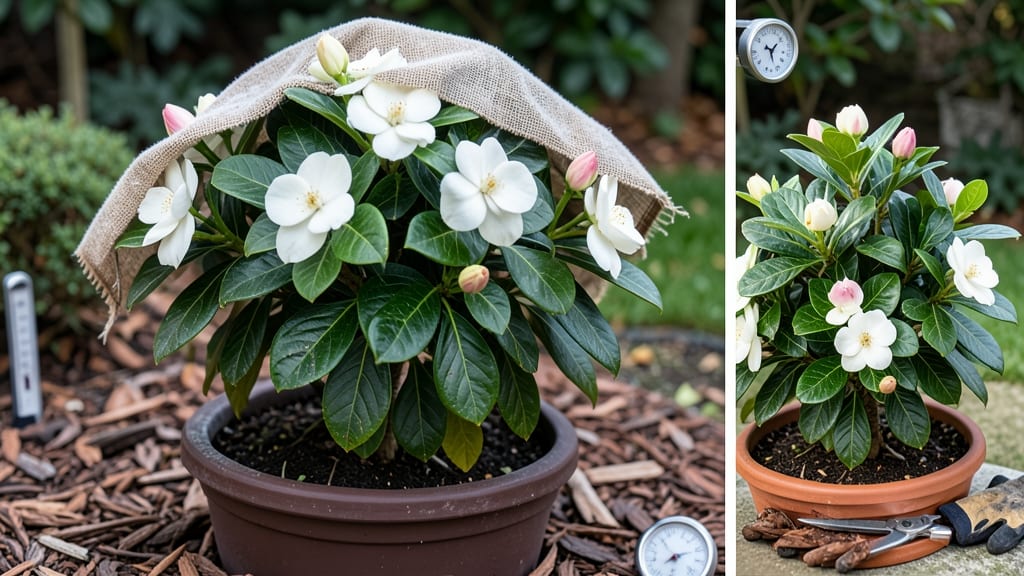
The August Beauty Gardenia's cold tolerance allows it to survive brief chills down to 28°F (-2°C), but sustained temperatures below 32°F (0°C) can damage leaves or trigger dormancy. These hardy tropical plants thrive best in USDA Zones 9-11.
The August Beauty Gardenia's resilience comes from its native tropical origins, adapted to handle brief cold snaps but not prolonged frost exposure. 🌱 When temperatures dip near 28°F (-2°C) for short periods, the plant can recover with proper care, but anything below 32°F (0°C) for more than a few hours risks irreversible damage.
This is why gardeners in marginal zones often use protective measures like mulching or frost cloths—these techniques can push the plant's cold tolerance by 5-10°F during critical growth periods. The key is monitoring humidity too; dry air amplifies cold stress, while moisture retention helps the plant endure cooler nights.
For those pushing the limits of Zone 8 cultivation, consider overwintering potted specimens in sheltered areas or even bringing them indoors before the first frost. The plant's glossy leaves and fragrant blooms make the extra effort worthwhile, especially when you see it rebounding in spring with vibrant new growth. 💫
💡 In This Article
- August Beauty Gardenia Cold Tolerance Limits Explained
- Protecting August Beauty Gardenias in Cold Climates
August Beauty Gardenia cold tolerance limits explained
The August Beauty Gardenia's cold tolerance stems from its tropical heritage but with surprising adaptability. At the cellular level, its leaves contain high concentrations of soluble sugars that act as natural antifreeze, preventing ice crystal formation in plant tissues.
This explains why brief dips to 28°F (-2°C) cause minimal damage—most harm occurs when temperatures linger below 32°F (0°C) for more than 4-6 hours, as water within cells begins to crystallize and rupture membranes. 🌡️
Humidity plays a critical role in frost resistance. In dry conditions, the plant loses moisture faster through transpiration, making its tissues more vulnerable to freeze damage. Ideal humidity levels should stay above 60% during cold snaps—this moisture retention helps maintain cellular turgor pressure.
Compare this to a cactus, which thrives in arid conditions: the August Beauty Gardenia requires the opposite environment to survive cold exposure. In USDA Zone 9, where nighttime lows might reach 30°F (-1°C), the plant can often recover with proper morning watering to raise soil temperature.
Duration matters more than absolute temperature. A single night at 28°F (-2°C) may cause only minor leaf discoloration, but consecutive nights below 32°F (0°C) trigger dormancy-like states where new growth halts.
The plant's glossy leaves contain waxy cuticles that reflect sunlight, but this protective layer becomes less effective when combined with prolonged cold and wind exposure. This is why gardeners in Zone 8 often see better results with container cultivation—they can move plants to sheltered locations during cold snaps. 🌿
Seasonal acclimation also affects cold tolerance. Plants exposed to gradually decreasing temperatures in fall develop thicker cuticles and higher sugar concentrations in their tissues. This natural hardening process can improve cold resistance by 2-3°F compared to suddenly exposed specimens.
The key is to avoid sudden temperature swings that prevent this acclimation—consistent temperature drops trigger the plant's protective responses more effectively. 🌬️
Consider these critical thresholds when planning your garden:
- Short-term survival: 28-32°F (-2 to 0°C) for 1-2 nights with no wind exposure
- Moderate risk: 25-28°F (-4 to -2°C) for 3+ hours may cause leaf burn
- High risk: Below 25°F (-4°C) for any duration triggers dormancy or death
The August Beauty Gardenia's ability to rebound from mild cold exposure makes it more resilient than many tropical plants, but this resilience has clear limits. Understanding these thresholds helps you create microclimates that protect your plants while maximizing their natural hardiness.
The plant's glossy foliage and fragrant blooms are well worth the extra care during cooler seasons! ⚡