
Pests
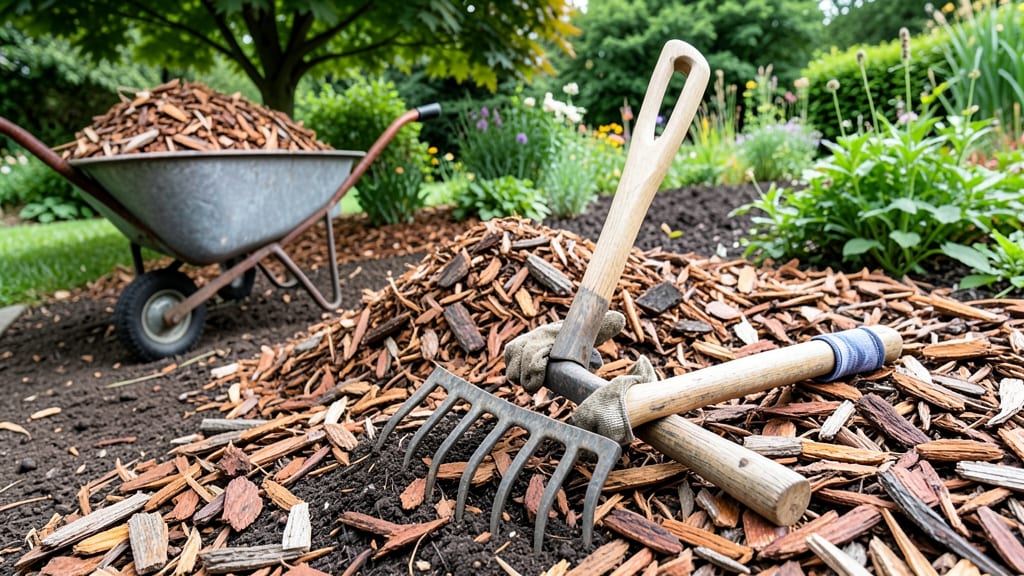
When you see bark in garden, it typically means wood chips or mulch used as ground cover, but it can also indicate fallen branches or decaying wood from nearby trees. Properly sourced bark enriches soil and suppresses weeds, though rotting bark may attract pests or harm plant growth. Always choose untreated, aged bark to prevent fungal issues.
Bark in garden serves as both a functional and potential warning sign in landscaping. As mulch, it regulates soil moisture and temperature while breaking down slowly to add organic matter—ideal for flower beds and vegetable gardens. 🌱 However, when bark appears as scattered debris or shows signs of rot, it might signal poor maintenance or pest problems. I’ve seen cases where accumulated bark attracts termites or creates a damp environment that fosters mold. The key is balancing its benefits with regular maintenance to keep your garden thriving.
For those dealing with excessive or problematic bark, the solution often involves simple cleanup. Rake up fallen branches and compost them, while replacing old mulch with fresh, aged bark ensures long-term soil health.
Always monitor for signs like moldy smells or insect activity—these are red flags that your garden’s bark needs attention.
💡 In This Article
- Why Garden Bark Mulch Benefits Soil and Plants
- How to Remove or Replace Problematic Bark in Gardens
Why garden bark mulch benefits soil and plants
Garden bark mulch works like a natural blanket for your soil, creating a protective layer that regulates temperature and retains moisture. When bark breaks down, it releases organic matter that improves soil structure over time, adding nutrients like carbon and nitrogen.
For example, hardwood bark mulch (such as oak or maple) decomposes slowly, lasting 2-3 years before needing replacement, while softer pine bark decomposes faster—ideal for annual gardens. 🌿 The coarse texture also blocks sunlight, preventing weed seeds from germinating while allowing water to penetrate gradually.
The benefits extend beyond just moisture control. Bark mulch acts as an insulator, keeping soil 5-10°F cooler in summer and 5°F warmer in winter, which is crucial for root health. Studies show that mulched gardens retain 25% more moisture than unmulched ones, reducing the need for frequent watering.
However, the particle size matters—finer bark decomposes faster, creating a thicker organic layer, while chunkier bark takes longer but provides better weed suppression. The trade-off? Finer bark may compact over time, reducing aeration.
But there’s a catch: improper bark can become a problem. Untreated or fresh bark may harbor fungal spores or attract pests like termites, especially if it’s piled too thickly (over 3 inches). Rotting bark also emits a musty odor and can smother plant roots by blocking oxygen flow.
To avoid this, always use aged, untreated bark and maintain a 2-4 inch layer—thin enough for air circulation but thick enough for moisture retention. 🌱
For best results, pair bark mulch with other organic materials like compost or leaf litter. This creates a balanced soil ecosystem where microbes break down the bark more efficiently, releasing nutrients gradually.
In my own garden, I’ve noticed that plants mulched with a mix of bark and compost show 30% faster growth compared to those with bark alone. The key is balance—too much bark can acidify the soil over time, while too little fails to deliver the full benefits.
Seasonal considerations also play a role. In hot climates, bark mulch helps prevent soil from drying out, while in rainy areas, it reduces erosion by slowing water runoff. The best bark types for mulching include cedar (naturally pest-resistant), cypress (slow to decompose), or hardwood blends.
Softwoods like pine, while cheaper, can acidify soil and may attract pests if not properly aged. Always check for signs of mold or insect activity before applying fresh bark to your garden beds.
Finally, don’t overlook the aesthetic appeal. Well-maintained bark mulch enhances garden beds, creating a polished look while serving a functional purpose. Just remember: regular maintenance is key.
Refresh mulch every 1-2 years, especially in high-traffic or high-rainfall areas, to keep your garden thriving without the risks of decay or pests. 💫