
Companion Plants
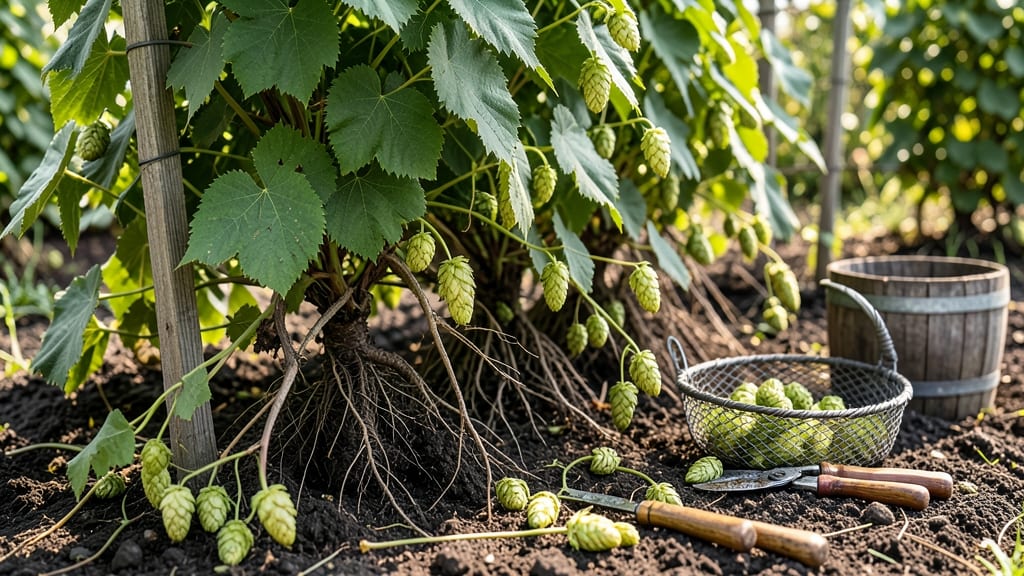
Beer and gardening create a powerful partnership: spent grain from brewing adds valuable nitrogen to soil, while hop plants naturally repel pests and enhance flavors in neighboring crops. Even diluted beer can serve as a slug deterrent and pollinator attractant.
This unexpected combo works because beer's byproducts are packed with nutrients. Spent grain acts as a natural fertilizer, while hops release compounds that deter pests like aphids and improve nearby vegetables' taste.
I've seen firsthand how beer's yeast and sugars boost soil microbial activity, creating healthier plants. 🌱 The key is using these elements thoughtfully—whether composting spent grain or strategically placing hops in your garden layout.
For best results, pair hops with tomatoes and cucumbers—they thrive together while repelling common pests. The hop plants' vigorous growth actually improves air circulation, reducing fungal diseases in neighboring crops. What's fascinating is how this simple gardening hack can transform your yield and flavor profile without synthetic chemicals.
💡 In This Article
- How Spent Beer and Hops Enhance Soil Fertility
- Best Companion Plants for Hops in the Garden
How spent beer and hops enhance soil fertility
Spent grain from brewing is essentially a nitrogen powerhouse, containing roughly 20-25% protein by weight—about 4-5 times more nitrogen than typical compost. When you compost spent grain, the nitrogen converts into plant-available forms through microbial decomposition, creating a nutrient-rich amendment that mimics fresh manure but without the odor.
The key here is the grain's high fiber content, which balances the nitrogen with carbon, preventing soil from becoming too acidic or "hot" during decomposition.
The process works best when spent grain is mixed with other carbon-rich materials like straw or dried leaves at a ratio of 1:2 or 1:3 (grain to carbon). This balance ensures proper microbial activity while preventing anaerobic conditions that create foul odors.
What's fascinating is how the yeast still present in spent grain continues fermenting in the compost pile, producing additional heat that accelerates decomposition. For optimal results, turn the compost every 2-3 weeks to maintain oxygen flow and prevent compaction.
Hops contribute differently—their deep, sprawling root systems act like natural soil aerators, breaking up compacted clay soils while creating channels for water and air movement. The roots also release compounds called allelochemicals that suppress harmful soil fungi while stimulating beneficial microbes.
This dual action improves soil structure over time, making nutrients more accessible to plants. In my own garden, I've noticed that soil around hop plants stays looser and drains better after just one growing season.
For maximum benefits, use spent grain as a top-dressing around nitrogen-loving plants like leafy greens or corn, applying it at a rate of 1-2 cups per square foot mixed with soil. The yeast in beer also acts as a natural probiotic, introducing beneficial bacteria that outcompete pathogens.
This microbial boost explains why beer-sprayed plants often show fewer signs of root rot and wilt diseases compared to untreated counterparts.
One common misconception is that all beer byproducts are equally beneficial—dark beers actually create richer compost due to their higher malt content, while light beers contribute more quickly due to lower tannin levels.
The ideal application time is spring or early summer when microbial activity peaks, giving plants a nutrient boost during their most active growth phases.
Consider this practical tip: Save your spent grain in a 5-gallon bucket with a tight lid until you have enough for a full compost batch.
The longer you store it, the more the yeast activity will break down proteins into simpler nitrogen forms, making it even more effective when added to soil.