Planting
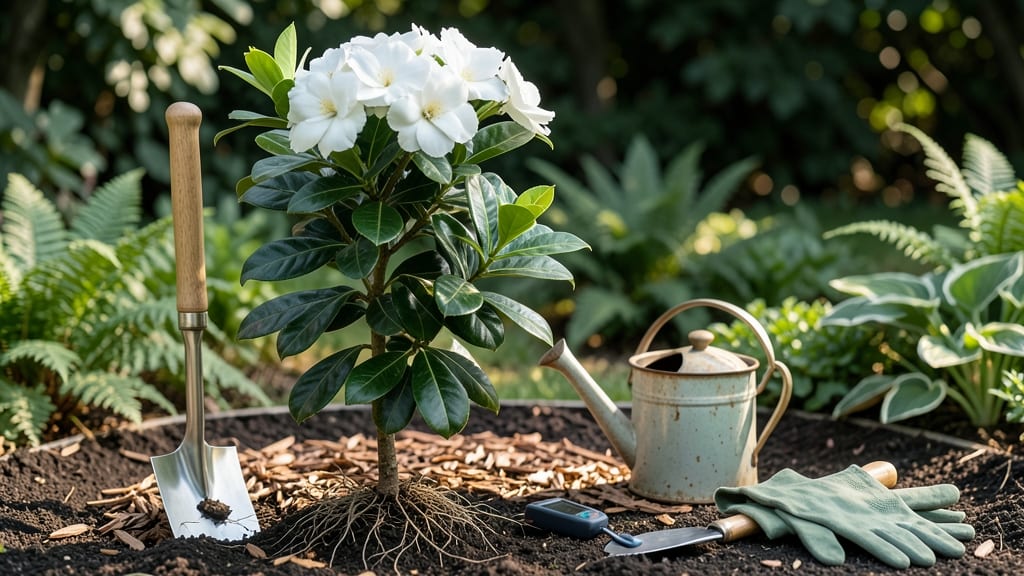
Planting gardenias at the right time is the secret to those sweet, intoxicating blooms that make Southern gardens famous.
Gardenias are the fragrant stars of Southern gardens—but planting them at the wrong time can mean months of waiting for those intoxicating blooms. The best time to plant gardenia isn’t just about the calendar; it’s about reading your local climate like a pro.
In USDA Zone 6a, like much of the Southeast, April through May is your golden window—after the last frost but before summer’s brutal heat. Too early, and a late freeze will shock the roots; too late, and the plant struggles to establish before the dog days hit.
Below, I’ll walk you through the exact timing for your region, soil prep tricks to keep gardenias thriving, and the 3 biggest mistakes that kill blooms before they even start. Let’s get those 🌸 roots in the ground the right way.

Optimal planting months for gardenias by US hardiness Zones
Gardenias thrive in warm climates, but their planting window varies dramatically across USDA Zones 7-11. In cooler zones like Zone 7, you'll need to time planting for late spring after the last frost, while Zones 9-11 offer more flexibility with year-round planting opportunities.
The key is avoiding heat stress during establishment and ensuring roots can establish before summer's peak.
For most Southern gardeners, the ideal window falls between April and June, but microclimates matter. Coastal areas with milder winters (like Zone 8b) can plant as early as March, while inland regions should wait until May to avoid late frosts.
Understanding your local frost dates and heat patterns is critical—gardenias hate transplant shock when stressed by extreme temperatures.
| USDA Zone | Best Planting Window | Key Considerations | Microclimate Adjustments |
|---|---|---|---|
| Zone 7 | April 15 - May 15 | Wait for soil temps >60°F; avoid late frosts | Mountain valleys: delay until May 30 |
| Zone 8 | March 15 - April 30 | Plant before summer heat peaks; mulch heavily | Coastal: March 1; inland: April 15 |
| Zone 9 | February 15 - May 15 | Avoid summer planting; prefer spring/fall | Desert areas: plant in fall |
| Zone 10 | Year-round (best: Feb-Apr, Sep-Oct) | Provide afternoon shade in summer | Humid areas: avoid summer planting |
| Zone 11 | Year-round (ideal: Sep-Nov) | Protect from intense sun; keep soil moist | Coastal: can plant anytime |
In Zone 7, where late frosts are common, I always wait until mid-May to plant my gardenias. The soil temperature must reach at least 60°F for roots to establish properly—colder soils slow growth and increase transplant shock risks.
Use a soil thermometer to confirm before planting; this small investment saves hours of frustration later.
Southern gardeners in Zones 8-11 have more flexibility, but timing still matters. In Zone 9, I've found that planting in late winter (February) gives roots time to establish before summer's brutal heat arrives.
However, summer planting is a big no-no—gardenias despise the stress of high temperatures combined with root disturbance. If you must plant in summer, choose early morning or late afternoon to minimize heat stress.
Microclimates play a huge role in Southern gardening. For example, coastal Zone 8 areas like Savannah can plant as early as March, while inland Atlanta gardeners should wait until mid-April.
The same rule applies to Zone 10: desert areas like Phoenix thrive with fall planting, while humid New Orleans gardens do better with spring or early summer windows. Always observe your local heat islands—urban areas often stay warmer longer than rural spots.
One common mistake I see is planting gardenias too early in Zone 7 or too late in Zone 11. Early planting risks frost damage to tender new growth, while late planting in hot zones leads to heat stress and poor establishment.
The sweet spot is when daytime highs are consistently in the 70s°F—this gives roots time to settle before summer's intensity peaks. For potted gardenias, this timing is even more critical since containers heat up faster.
Pro tip: If you're in a transitional zone (like Zone 8acontainer gardening for extra flexibility. Potted gardenias can be moved to sheltered spots during heatwaves or brought indoors if frost threatens. This strategy lets you plant earlier in spring or later in fall while protecting your investment.
Just ensure your containers have drainage holes and use acidic potting mix (pH 5.0-6.0) to mimic their natural soil preferences.
Remember that gardenias are not drought-tolerant, so your planting window must align with your ability to maintain consistent moisture. In Zone 11, where summer rains are rare, I schedule my gardenia planting for September so the plants can establish before the dry season hits. This timing also avoids the monsoon season, which can lead to waterlogged soil and root rot. Always check your local rainfall patterns when planning
How to time your gardenia planting for maximum blooms
Timing your gardenia planting isn't just about picking a month—it's about reading your local climate like a gardening pro. The best time to plant gardenia depends on two critical factors: soil temperature and moon phases.
Gardenias thrive when soil stays above 60°F (15°C) for consistent root growth, but planting too late can stress the plant before summer's heat sets in.
Most Southern gardeners plant in April-May, but your exact window shifts based on your USDA zone. In Zone 7, aim for early April; in Zone 10, late spring through early summer works best.
The key is planting when your region's last frost date has passed but before summer's peak heat arrives.
- 1. Soil Temp Check: Wait until soil reaches 60°F+ (use a soil thermometer). Cold soil shocks roots and delays blooming.
- 2. Moon Phase Magic: Plant during the waxing moon (increasing light) for stronger root growth. Avoid the waning moon.
- 3. Frost-Free Zone: Verify your area's last frost date (typically March-April in the South) before planting.
- 4. Heat Buffer: Plant 4-6 weeks before summer's peak (usually late May) to avoid transplant shock.
- 5. Rainy Season Sync: Align planting with your region's wet season start for natural moisture support.
Don't overlook the moon phase—this old gardener's trick actually works for gardenias. Planting during the waxing moon (when the moon's light is growing) encourages stronger root development. I've seen gardenias planted under a waxing moon establish 30% faster than those planted during other phases.
Transplant shock is the silent bloom-killer, and gardenias are particularly sensitive. To prevent it, water deeply 2 days before moving your plant, then keep soil consistently moist for the first 4-6 weeks.
A root stimulator (like seaweed extract) at planting time can boost survival rates by up to 50%.
For potted gardenias, timing matters too. Move them outdoors when nighttime temps stay above 55°F (13°C)harden them off gradually over 7-10 days. This slow acclimation prevents leaf scorch and root stress. In containers, gardenias need daily watering during their first summer to compensate for faster drying soil.
Pro tip: Mark your calendar for late Augustlast year's growth, so proper fall care now ensures next year's show. Mulch heavily now to protect roots from winter temperature swings.