
Advice
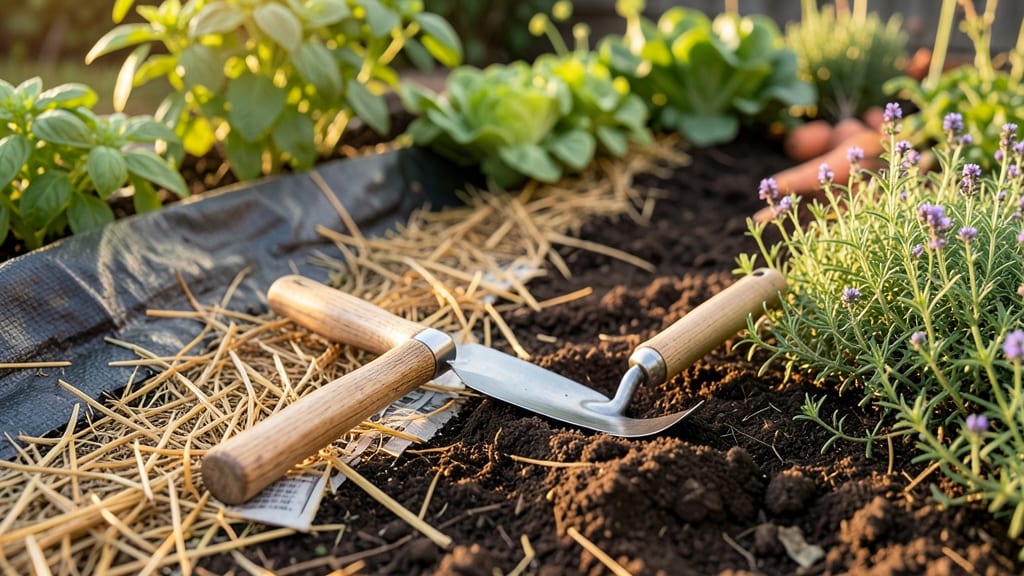
The best way to keep weeds out of your garden is using natural barriers like cardboard mulch, landscape fabric, or thick layers of wood chips, combined with regular hand-pulling and targeted organic herbicides for stubborn growth. Preventing sunlight access disrupts weed germination while maintaining soil health.
Weeds thrive when they get sunlight and space to grow, so blocking their access is your first line of defense. 🌱 Cardboard mulch breaks down over time, enriching the soil, while landscape fabric creates a physical barrier that lasts longer—though it can trap moisture if not properly ventilated.
I’ve found that combining these methods with a weekly check for new sprouts keeps my garden weed-free without harsh chemicals. The key is consistency: weeds can pop up anywhere, so staying vigilant pays off in the long run.
For stubborn weeds that slip through, organic herbicides like vinegar or corn gluten meal work well when applied directly. These options break down naturally and won’t harm your plants if used correctly.
The real secret, though, is patience—some methods take time to show results, but the effort saves you from endless pulling later. Plus, healthier soil means stronger plants that naturally resist weeds better over time.
💡 In This Article
- How Natural Barriers Block Weed Growth Effectively
- Top 5 Natural Weed Prevention Methods for Different Garden Types
How natural barriers block weed growth effectively
Weeds rely on three critical resources to thrive: sunlight, moisture, and open soil space. Natural barriers disrupt this cycle by cutting off sunlight—most weeds won't germinate without it—and regulating moisture levels.
For example, a 3-4 inch layer of wood chips blocks 90% of light while allowing water to penetrate slowly, creating an inhospitable environment for weed seeds.
This is why organic mulches like straw or shredded leaves work so well—they decompose over time, adding nutrients to the soil while maintaining their weed-suppressing properties.
The science behind this involves allelopathy, where decomposing organic matter releases natural compounds that inhibit weed growth. Landscape fabric, on the other hand, creates a physical barrier that prevents seeds from reaching the soil.
However, it’s not perfect—if the fabric isn’t properly ventilated, it can trap too much moisture, leading to fungal growth. 🌱 The best approach is to combine fabric with a 1-2 inch layer of mulch on top, which allows air and water to circulate while still blocking light.
Inorganic barriers like gravel or black plastic work similarly but don’t improve soil health over time.
Root competition is another key factor. When you use thick mulch, the roots of your plants spread wider, crowding out weed roots before they can establish themselves. This is especially effective in vegetable gardens, where plants like tomatoes or peppers naturally suppress weeds as they grow.
Over time, organic mulches break down, enriching the soil with nutrients that make your plants even more resilient to weeds. The trade-off? Inorganic barriers like fabric or plastic last longer but don’t contribute to soil fertility.
Long-term soil impact varies widely. Organic mulches like cardboard or grass clippings decompose within 6-12 months, adding valuable organic matter to the soil. In contrast, landscape fabric can last 5-10 years but may require replacement if it degrades or tears.
The decomposition process also affects pH levels—wood chips, for instance, slightly acidify the soil, while straw has a neutral effect. Choosing the right barrier depends on your garden’s specific needs, whether it’s improving soil health or simply suppressing weeds quickly.
Seasonal considerations play a role too. In spring, when weed seeds are most active, a fresh layer of mulch or fabric is most effective.
By summer, you might need to replenish mulch as it decomposes, while fall is the best time to lay down cardboard or fabric for next year’s weed prevention. The key is to act before weeds get a foothold—once they sprout, they’re much harder to remove.
Regular checks every 2-3 weeks ensure no gaps form where weeds can sneak in.
For stubborn weeds that slip through, targeted organic herbicides like vinegar (a 20% solution) or corn gluten meal work by either burning existing weeds or preventing new seeds from germinating. These options are safe for the environment and won’t harm your plants if applied carefully.
The combination of barriers and organic controls creates a multi-layered defense that keeps your garden weed-free without relying on harsh chemicals. 🌿