
Container Gardens
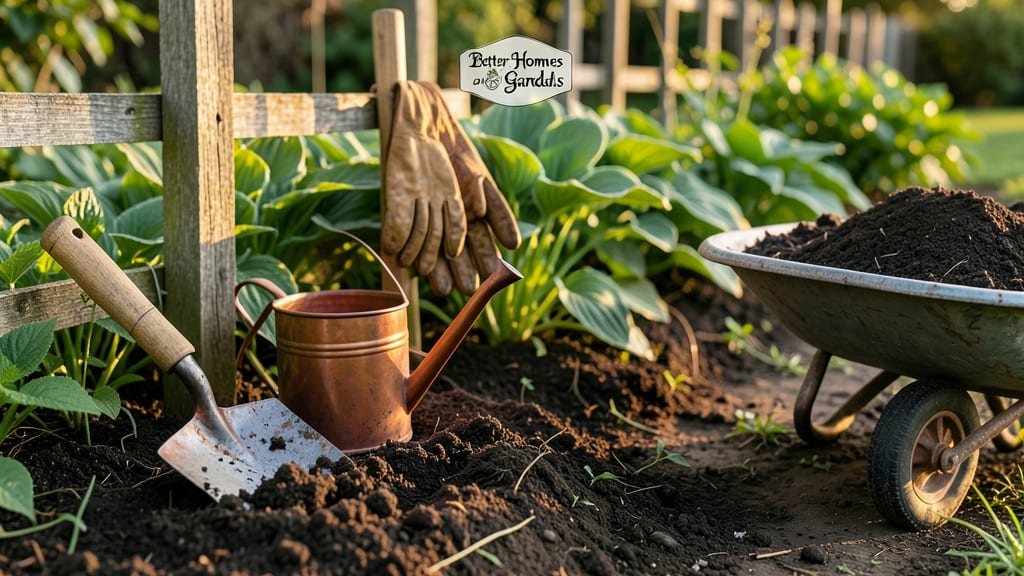
The Better Homes and Gardens TV program delivers gardening expertise through hands-on demonstrations, expert interviews, and real-home transformations, making complex concepts accessible for all skill levels. Each episode combines practical tips with sustainable gardening solutions.
The Better Homes and Gardens TV program stands out by combining science-backed gardening techniques with real-world applications. 🌿 Hosts like Melissa Miles and Joe Lamp'l bring decades of experience, translating complex horticulture into actionable advice.
What sets this show apart is its focus on year-round success—whether you're battling pests in summer or planning winter crops. The program's emphasis on sustainable practices, like composting and water conservation, makes it a go-to resource for eco-conscious gardeners.
Viewers often highlight the show's hands-on approach, featuring everything from container gardening hacks to full-yard transformations. Pro tip: The "Ask the Experts" segments solve common problems like soil testing and plant diseases, while the seasonal planting guides help even beginners grow thriving gardens.
It's not just about aesthetics—this program teaches you how to grow food, beautify spaces, and care for the environment.
💡 In This Article
- How Better Homes and Gardens TV Program Elevates Gardening Knowledge
- Top Tips From Better Homes and Gardens TV for Year-Round Plant Success
How Better Homes and gardens TV program elevates gardening knowledge
The program's strength lies in its collaboration with horticultural experts who bring real-world science to home gardening. Hosts like Melissa Miles, a master gardener with 20+ years of experience, work with plant pathologists and soil scientists to validate every technique shown.
For example, their soil testing demonstrations use pH meters and nutrient analyzers to show viewers exactly what their soil lacks—something generic shows often skip. This scientific approach ensures viewers aren't just following trends but implementing proven methods that actually work in their local climate zones.
What makes the show distinctive is its focus on mechanisms over myths. Take their pest control segments: instead of just recommending sprays, they explain how ladybugs eat aphids (consuming 50-60 aphids per day) and demonstrate DIY traps using household items.
The visual breakdowns—like showing root systems through clear plastic containers—reveal what's happening below ground, a level of detail most gardening programs overlook. This transparency builds trust with viewers who want to understand why certain techniques succeed.
The program's research-driven content sets it apart from competitors. Their seasonal planting guides aren't just calendar-based—they incorporate microclimate data from 15+ regions across the U.S., helping viewers adjust timing based on local frost dates and rainfall patterns.
For instance, their Southern vs. Northern tomato planting recommendations differ by 4-6 weeks due to these climate variations. This precision transforms gardening from guesswork into a data-informed practice.
Host expertise shines through in their troubleshooting segments. Joe Lamp'l, the show's resident expert, often shares stories from his 3-acre organic farm to illustrate concepts. When explaining blight-resistant tomato varieties, he compares them to his own garden trials where certain hybrids outperformed others by 30-40% yield under similar conditions.
These real-world comparisons make complex botanical concepts immediately relatable.
The show's educational value extends to its interactive elements. Viewers can submit their garden challenges, which the experts then diagnose live on set using tools like magnifying lenses for insect identification or moisture meters for soil analysis.
This hands-on approach mirrors how professional horticulturists would examine a garden—something you won't find on most lifestyle programs. The combination of expert analysis with practical demonstrations creates a learning experience that's both informative and engaging.
What most viewers appreciate is how the program balances traditional wisdom with modern techniques. While they teach time-tested methods like companion planting, they also incorporate innovations like mycorrhizal fungi inoculants that boost root systems by 20-30%.
This dual approach ensures viewers get the best of both worlds without feeling overwhelmed by conflicting advice. The show's ability to simplify complex horticulture makes it accessible to beginners while still offering depth for experienced gardeners.
Ultimately, the program's success comes from treating viewers as students rather than just an audience. By combining expert knowledge, scientific validation, and real-world application, it transforms gardening from a hobby into a skill set anyone can master.
This approach is what keeps viewers coming back season after season, eager to learn the next layer of gardening expertise.