
Advice
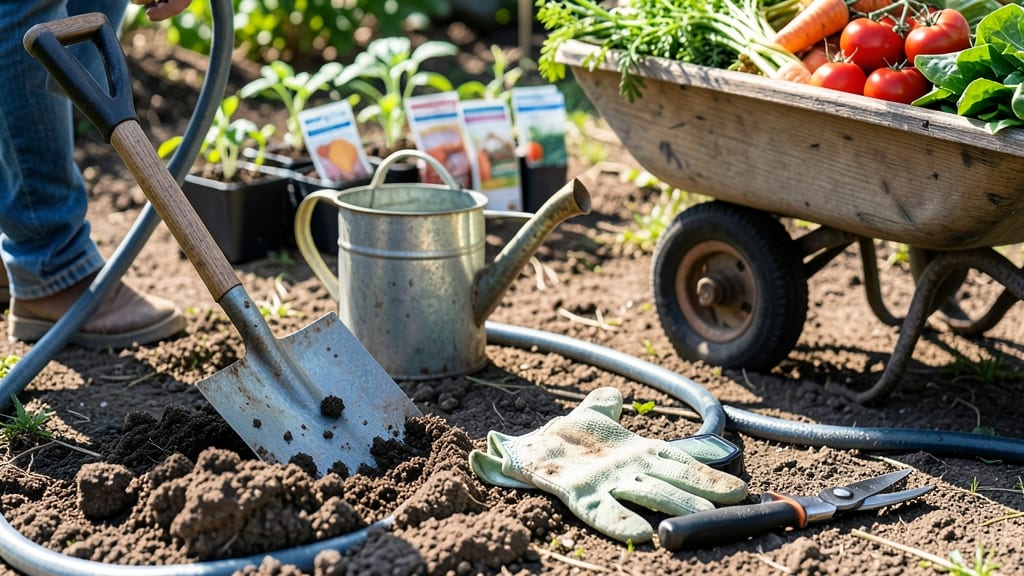
Burning calories burned gardening ranges from 150 to 400+ per hour, depending on how vigorously you work and your body weight, with heavier tasks like digging or moving soil pushing the higher end for larger individuals.
The calories burned gardening turns your yard into a workout—especially when you're tackling heavier chores. 🌱 The calorie burn spikes when you combine strength moves (like hauling bags of mulch) with cardio bursts (fast-paced weeding). For example, a 150-pound person might burn 200 calories/hour raking but jump to 350+ calories/hour when digging or carrying tools. The key is mixing intensity: alternate between lifting and moving to keep your heart rate elevated. Even light gardening adds up over time, making it a sneaky way to stay active without feeling like you're at the gym.
What's interesting is how body weight plays a role—heavier individuals naturally burn more calories for the same tasks. That's why someone weighing 200 pounds might torch 400 calories/hour while digging, compared to 250 calories/hour for a 150-pound person.
The good news? You don't need to be a pro—just focus on consistency. Even 30 minutes of gardening daily can add meaningful activity to your week, especially when paired with other movement.
💡 In This Article
- How Gardening Intensity Affects Calorie Expenditure
- Maximizing Calorie Burn in Your Garden Workout
How gardening intensity affects calorie expenditure
Gardening isn't just a hobby—it's a full-body workout where calorie burn varies wildly based on the task. The science behind this lies in how different activities engage your muscles and cardiovascular system.
For instance, raking leaves primarily works your arms, shoulders, and core, burning about 200-250 calories/hour for a 150-pound person.
But when you switch to digging or shoveling, you're activating your legs, back, and glutes in powerful, repetitive motions that can push calorie expenditure to 300-400 calories/hour for the same weight. This is because digging requires both strength and endurance, elevating your heart rate while demanding muscular effort.
The real calorie boost comes from combining strength tasks with cardio elements. Think of it like interval training: hauling bags of soil or mulch (which can burn 350+ calories/hour for heavier individuals) followed by fast-paced weeding or planting (adding another 50-100 calories/hour) creates a metabolic cocktail.
This mirrors the calorie burn of moderate cardio like brisk walking (250-300 calories/hour for a 150-pound person), but with the added benefit of muscle engagement. The key difference? Gardening's resistance-based movements create afterburn (EPOC), where your body continues burning calories post-workout to recover.
Your body weight plays a surprisingly large role in these numbers. A 200-pound person digging for an hour might burn 400+ calories, while a 120-pound person doing the same task burns closer to 250 calories.
This isn't just about muscle mass—it's physics. Heavier bodies require more energy to move the same tools or lift the same loads.
Even the texture of soil matters: wet, clay-heavy soil is 30-50% harder to dig than loose garden soil, forcing your muscles to work harder and increasing calorie expenditure by 10-20%. The sensory feedback—like the resistance of compacted earth—automatically signals your brain to exert more force.
What most people overlook is how garden layout affects intensity. A small urban garden with raised beds might only burn 150-200 calories/hour due to limited movement, while a half-acre vegetable plot with diverse tasks (digging trenches, moving compost, planting rows) can push you into 350-400 calories/hour range.
The variety forces your body to constantly adapt—switching from bending to lifting to walking—creating a more dynamic workout than steady-state cardio. This is why gardeners often feel more fatigued than they expect after an hour of work: their bodies are processing multiple muscle groups simultaneously.
Here's the metabolic breakdown by common tasks for a 150-pound individual:
- Light gardening (pruning, deadheading flowers): 150-180 calories/hour (similar to leisurely walking)
- Moderate gardening (raking, weeding, planting): 200-250 calories/hour (comparable to casual cycling)
- Heavy gardening (digging, hauling soil, moving rocks): 300-400+ calories/hour (equivalent to jogging at 5 mph)
The beauty of gardening's calorie burn is its scalability. You can start with light tasks and gradually increase intensity, or mix high-impact activities (like carrying watering cans) with low-impact ones (like arranging flowers).
This adaptability makes it one of the most accessible ways to add meaningful movement to your day—without ever feeling like exercise. 🌿