
Tools
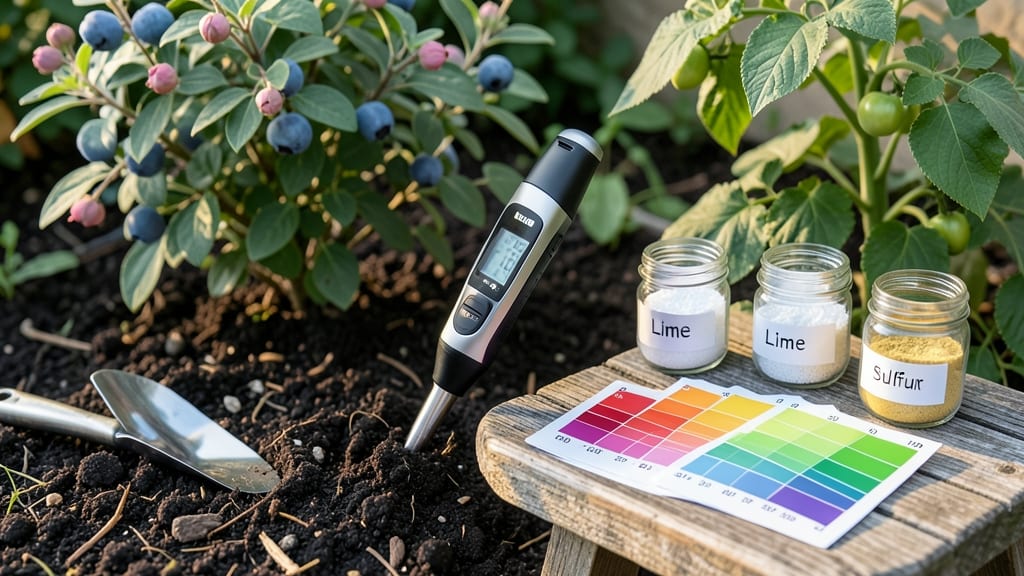
The ideal pH for garden soil ranges between 6.0 and 7.0, creating neutral to slightly acidic conditions that support most vegetables, flowers, and fruits. Adjustments may be needed for acid-loving plants like blueberries or alkaline-tolerant species like asparagus.
Soil pH isn't just a number—it's the foundation for how plants access nutrients. 🌱 A balanced pH between 6.0 and 7.0 ensures critical minerals like nitrogen, phosphorus, and potassium stay soluble, which is why most garden plants thrive in this range.
For example, tomatoes and peppers perform best at 6.2-6.8, while lawn grasses prefer slightly higher levels around 6.5-7.0. The science behind it is simple: extreme pH levels (below 5.5 or above 8.0) can lock out essential nutrients, causing yellowing leaves or stunted growth, even if you're fertilizing regularly.
Testing your soil's pH is the first step to making smart adjustments. Most garden centers sell affordable test kits that give you results in minutes, or you can send samples to a lab for precise analysis.
Once you know your soil's pH, you can use organic amendments like sulfur to lower it (for alkaline soils) or lime to raise it (for acidic soils). The key is patience—changing pH takes time, especially in heavy clay soils, so plan adjustments at least 2-3 months before planting.
💡 In This Article
- How Soil pH Affects Nutrient Availability for Plants
- Step-by-Step Soil pH Testing and Adjustment Guide
How soil pH affects nutrient availability for plants
Soil pH determines which nutrients become available to plants by altering their chemical form. At the ideal range of 6.0-7.0, essential minerals like phosphorus, calcium, and magnesium remain soluble in water, making them easily absorbed through plant roots.
For example, phosphorus—critical for root development and flowering—becomes nearly inaccessible below pH 5.5 or above pH 8.0. This explains why blueberries, which thrive in acidic soils (4.5-5.5), show stunted growth in neutral soil unless you add sulfur to lower the pH artificially.
The story gets even more fascinating when you consider how pH impacts soil microbes. Beneficial bacteria and fungi that break down organic matter into plant-available nutrients prefer a slightly acidic environment (6.0-6.8). In alkaline soils (pH 7.5+), these microbes become less active, reducing nutrient cycling.
You’ll often see yellowing leaves in alkaline soils because iron—needed for chlorophyll production—binds to soil particles and becomes locked away. This is why even well-fertilized plants in high-pH soil can develop iron deficiency, despite having plenty of fertilizer in the ground. 🌱
Extreme pH levels don’t just limit nutrients—they can also introduce toxicity. In highly acidic soils (pH 5.0 or lower), aluminum and manganese become soluble in toxic quantities, damaging root systems. Meanwhile, alkaline soils (pH 8.0+) can accumulate harmful levels of boron or sodium.
The result? Plants may show symptoms like brown leaf tips (boron toxicity) or wilting despite adequate water (sodium buildup). This is why soil testing isn’t just about pH—it’s about understanding the full mineral balance of your garden.
What most gardeners don’t realize is that pH affects more than just major nutrients. Micronutrients like zinc, copper, and molybdenum also become unavailable at extreme pH levels. For instance, zinc deficiency—common in alkaline soils—causes stunted growth and white spots on leaves, even if the soil appears rich.
The solution? Adjusting pH to the plant’s ideal range can unlock these hidden nutrients, often eliminating the need for expensive foliar sprays. This is why a simple pH test can save you money and frustration in the long run.
Consider the case of azaleas and rhododendrons, which require acidic soil (4.5-5.5) to access manganese and iron. In neutral soil, these plants develop chlorosis (yellowing between leaf veins) because their roots can’t absorb enough of these critical minerals. The fix?
Adding elemental sulfur or peat moss to lower the pH can transform a struggling plant into a thriving one within weeks. This demonstrates how pH isn’t just a number—it’s the key to unlocking your plants’ full potential. ✨
Even seemingly minor pH shifts can have dramatic effects. For example, moving from pH 6.5 to 7.0 might reduce phosphorus availability by 50%, while dropping from pH 6.0 to 5.5 can double aluminum solubility, harming root growth.
This is why precision matters—small adjustments can make a big difference in plant health. Understanding these relationships helps you make targeted amendments rather than guessing with fertilizers.