
Container Gardens
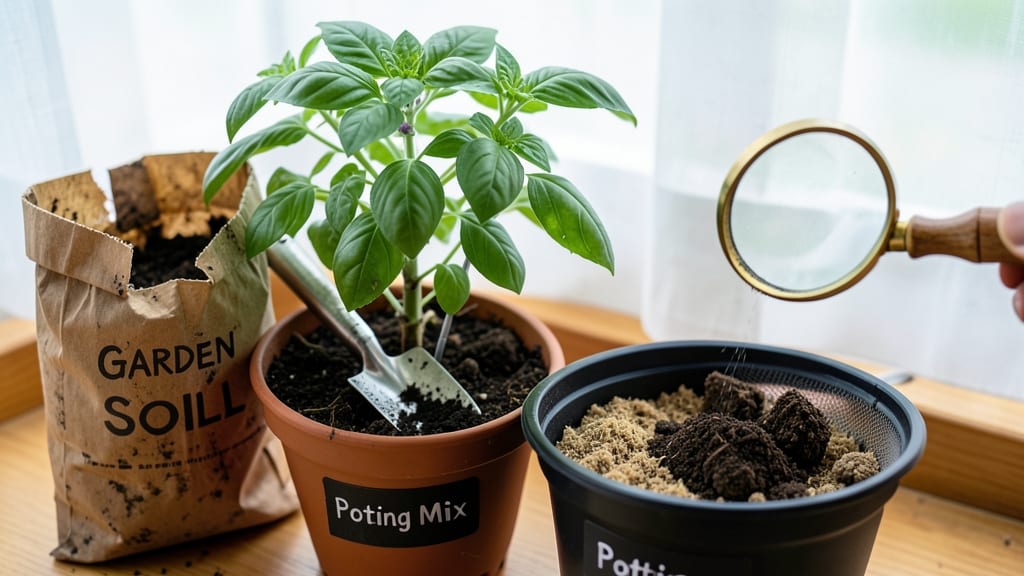
You shouldn’t use garden soil for potting because it compacts easily, drains poorly, and may contain weeds, pests, or diseases that harm potted plants. Opt for lightweight potting mixes with perlite, peat, or coconut coir instead for better aeration and drainage.
Garden soil is heavy and dense, which means it doesn’t allow water to flow through properly—roots suffocate when they can’t breathe. 🌱 Plus, it often contains pathogens or weed seeds that can spread to your potted plants.
The right potting mix is specifically formulated to stay loose, retain moisture without drowning roots, and provide the nutrients plants need without the risks. For example, a blend with coconut coir and perlite works wonders for herbs, while succulents thrive in gritty mixes with extra sand.
If you’re on a budget, you can create your own mix by combining equal parts peat moss, vermiculite, and compost. This DIY approach gives you control over drainage and fertility while avoiding the pitfalls of garden soil.
Always ensure your containers have drainage holes—this is non-negotiable when using any soil type for potted plants.
💡 In This Article
- Why Garden Soil Fails as Potting Mix
- Best Potting Mix Alternatives for Container Gardening
Why garden soil fails as potting mix
Garden soil is designed for in-ground planting, where roots can spread freely and natural rainfall provides consistent moisture. In containers, however, this same soil becomes a suffocating environment. When packed into pots, garden soil particles pack tightly together, reducing pore space by up to 70% compared to ideal potting mixes.
This compaction cuts off oxygen flow to roots, creating anaerobic conditions where harmful bacteria thrive—similar to how waterlogged soil in your yard can kill grass.
The real problem starts with soil texture. Garden soil contains clay and silt particles that absorb water like a sponge but release it too slowly, leaving roots drowning in moisture.
Potting mixes, on the other hand, incorporate ingredients like perlite or coconut coir that create 20-30% air pockets, allowing roots to breathe while still holding enough water for plants.
For example, a mix with 50% peat moss and 30% perlite maintains ideal moisture while preventing root rot—something garden soil simply can't do.
Disease risks are another silent killer. Garden soil often harbors fungal spores, weed seeds, and microscopic pests that can devastate container plants. A single pot of garden soil might contain thousands of weed seeds per pound, which will germinate when exposed to light.
Even if your garden soil looks clean, it could carry Phytophthora fungi or nematodes that will attack your potted basil or peppers within weeks. 🌱 Sterile potting mixes eliminate these risks entirely by using heat-treated or synthetic components.
Let's talk about nutrients too. While garden soil may seem rich, its nutrients are often locked up in organic matter that breaks down too slowly for container plants. Potted plants need quick-release nutrients because they have limited root zones.
A good potting mix includes compost or worm castings (about 10-20% of the blend) that provide balanced nutrition without the compaction issues of garden soil. Without these adjustments, your container plants will show signs of nutrient deficiency—yellowing leaves or stunted growth—within just a few weeks.
Finally, consider the weight difference. A 5-gallon pot filled with garden soil can weigh 40-50 pounds when saturated, while the same pot with potting mix weighs only 20-25 pounds. This makes moving containers nearly impossible and increases the risk of tipping over during watering.
The structural integrity of your pots matters too—garden soil's weight can crack plastic containers or weaken wooden planters over time.
What most gardeners don't realize is that even the "good" garden soil from your yard contains microscopic particles that clog drainage holes. These tiny particles create a filter-like effect, trapping water inside the pot where roots can't access oxygen.
This is why you'll often see container plants with roots growing out of drainage holes—they're searching for air and moisture that garden soil can't provide. 💫