
Fertilization
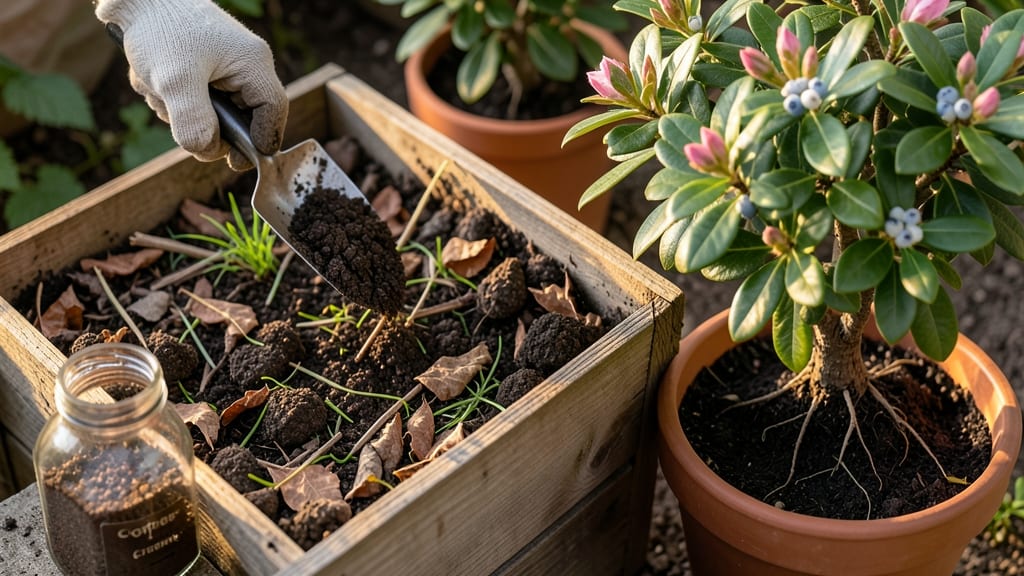
Using coffee grounds as garden fertilizer boosts soil with nitrogen, enhances structure, and benefits acid-loving plants like azaleas, blueberries, and rhododendrons while naturally repelling pests.
Coffee grounds work wonders because they're packed with nitrogen, a crucial nutrient for leafy growth, while their acidic nature makes them perfect for plants that thrive in lower pH soils. 🌱 The decomposition process also stimulates beneficial microbes, improving soil aeration and moisture retention over time.
I've seen firsthand how a handful mixed into compost creates a nutrient powerhouse—just be sure to use them fresh or dried, as used grounds can mold.
For best results, sprinkle a thin layer (½ inch) around plants or work them into the top 2 inches of soil. Too much can create nitrogen burn or attract pests, so balance is key.
Acid-loving plants like hydrangeas and tomatoes respond beautifully, while vegetables like lettuce and spinach get a protein-rich boost. Just avoid overdoing it—moderation keeps your garden thriving without the risks.
💡 In This Article
- How Coffee Grounds Improve Soil and Plant Growth
- Best Practices for Applying Coffee Grounds to Gardens
How coffee grounds improve soil and plant growth
The real magic of coffee grounds lies in their nitrogen content—about 2% by weight, which converts into plant-available ammonium through microbial breakdown. This nitrogen kickstarts leafy growth, especially for fast-growing plants like lettuce or spinach, which can show visible improvements in just 2-3 weeks.
The process starts when soil microbes decompose the grounds, releasing nitrogen in forms roots can absorb, like nitrate and ammonium ions.
Beyond nitrogen, coffee grounds act as a soil conditioner by improving structure through their coarse, granular texture. When mixed into soil, they create tiny air pockets that enhance aeration—critical for root development—while their ability to hold 2-3 times their weight in water boosts moisture retention.
This dual action prevents compaction and helps sandy soils retain nutrients longer. The aromatic compounds in coffee also stimulate microbial activity, accelerating decomposition of organic matter in your garden beds.
Here's where the acidity comes into play: coffee grounds lower soil pH gradually, making them ideal for acid-loving plants like blueberries (which thrive at pH 4.5-5.5) or rhododendrons.
A single application might only shift pH by 0.5 units or less, but repeated use over seasons creates the perfect acidic environment. The tannins in coffee also act as a natural fungicide, creating an inhospitable environment for many soil-borne pathogens while repelling pests like slugs and snails.
What most gardeners don't realize is how the decomposition process creates a self-sustaining cycle. As microbes break down coffee grounds, they release enzymes that further decompose nearby organic matter, creating a nutrient cascade.
This is why mixing grounds with compost accelerates decomposition—think of it as giving your compost pile a turbo boost. The resulting humus improves soil tilth, creating that perfect crumbly texture gardeners dream about.
For visual learners, imagine this: fresh coffee grounds look like dark, coarse granules that darken soil color slightly (a natural mulch effect), while decomposed grounds blend into a rich, crumbly texture. The aroma alone signals active microbial life—like a living soil ecosystem at work.
This transformation happens fastest in warm, moist conditions, which is why spring and fall are ideal times to apply them.
One fascinating detail is how coffee grounds affect soil chemistry differently based on their freshness. Fresh grounds contain more soluble compounds that can initially raise soil salinity slightly, while aged grounds (6+ months old) have lost these volatile components and become more stable.
This is why many experts recommend using dried or composted grounds rather than fresh ones directly from your coffee maker.