
Tools
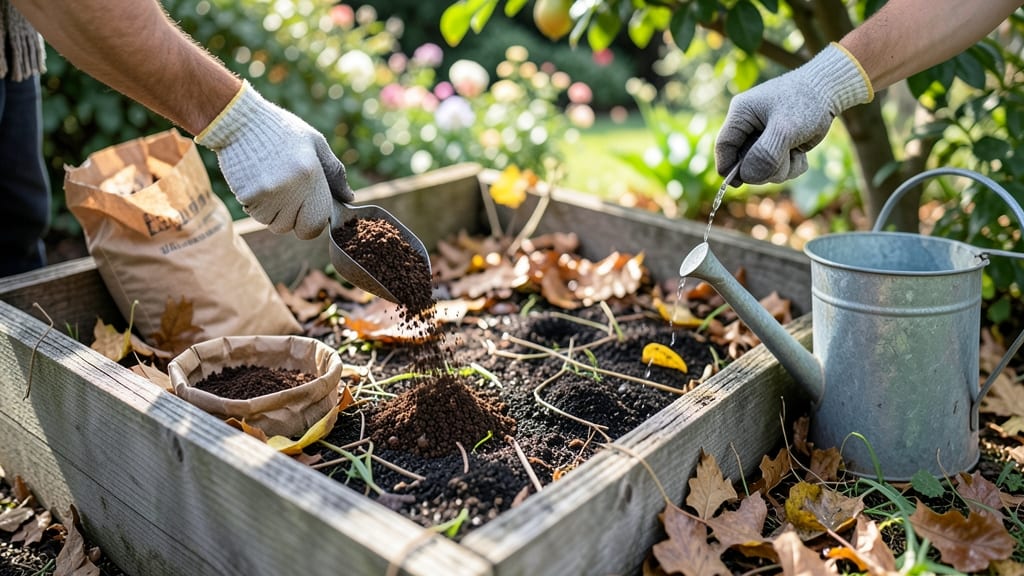
Used coffee grounds for the garden boost soil health by introducing nitrogen, deterring pests like slugs, and increasing acidity for acid-loving plants, but should be used sparingly to prevent soil pH imbalance.
These nutrient-rich byproducts break down slowly, releasing essential nitrogen that feeds soil microbes and plants over time. 🌱 The caffeine content acts as a natural pest repellent, while the gritty texture improves drainage in heavy clay soils.
I’ve found they work best when mixed into compost piles or sprinkled lightly around acid-loving plants like tomatoes or hydrangeas—just avoid piling them directly on plant stems, as they can compact and suffocate roots.
For container gardens, a 1-inch layer of used grounds in the bottom of pots helps with drainage while providing a slow-release nutrient boost. The key is balance: too much can create a sour, inhospitable environment for most plants.
I recommend mixing them with other compost materials, like dried leaves or grass clippings, to dilute their acidity and create a more balanced growing medium.
💡 In This Article
- How Coffee Grounds Transform Soil Chemistry
- 9 Practical Ways to Use Coffee Grounds in Gardening
How coffee grounds transform soil chemistry
Coffee grounds act like a slow-release fertilizer because they contain roughly 2% nitrogen by weight—about half the nitrogen content of synthetic fertilizers but released gradually as microbes decompose the organic matter.
The breakdown process begins when beneficial bacteria and fungi in the soil colonize the grounds, converting the nitrogen into forms like ammonium and nitrate that plants can absorb. This microbial activity also stimulates the release of other nutrients, including phosphorus and potassium, though in smaller amounts. 🌱
The most noticeable effect is on soil acidity—coffee grounds have a pH of around 4.85 to 5.10, which lowers the pH of surrounding soil over time.
For acid-loving plants like blueberries, azaleas, and rhododendrons, this can be a boon, but for most vegetables and flowers, the soil pH should stay between 6.0 and 7.0.
A 1-inch layer of grounds can drop soil pH by up to 0.5 units in six months, so test your soil before applying them liberally.
Unlike synthetic fertilizers that provide an immediate but short-lived nutrient spike, coffee grounds create a more balanced, long-term improvement. When mixed into compost, they accelerate decomposition by adding carbon-rich material that microbes feed on, producing heat and speeding up nutrient cycling.
This is why gardeners often blend grounds with "greens" (like grass clippings) in compost piles—it creates a microclimate that supports diverse microbial life, leading to richer, more fertile soil.
One often-overlooked benefit is their ability to improve soil structure. The coarse, gritty texture of used grounds helps break up compacted clay soils, creating tiny air pockets that enhance drainage and root growth. This is particularly useful in urban gardens where heavy foot traffic or machinery can compress soil.
However, avoid using fresh grounds directly around plant stems—they can mat down and suffocate roots, creating an anaerobic environment that smells like vinegar and harbors harmful fungi.
For container gardens, coffee grounds can be a game-changer when used correctly. Mixing 20% grounds with 80% compost or potting soil provides a steady nutrient supply without over-acidifying the mix.
The caffeine in the grounds (about 0.1% by weight) acts as a natural fungicide, suppressing diseases like powdery mildew while repelling slugs and snails. Just remember: the darker the roast, the less caffeine remains, but the higher the oil content, which can attract pests if overused.
To maximize benefits, always use used, dried coffee grounds—fresh grounds can clump and create anaerobic pockets that produce unpleasant odors. Spread them thinly (½ inch or less) and water them in to distribute nutrients evenly.
For heavy feeders like tomatoes or peppers, work them into the soil at planting time, while for perennials, a light top-dressing in early spring suffices. 💫