
Size
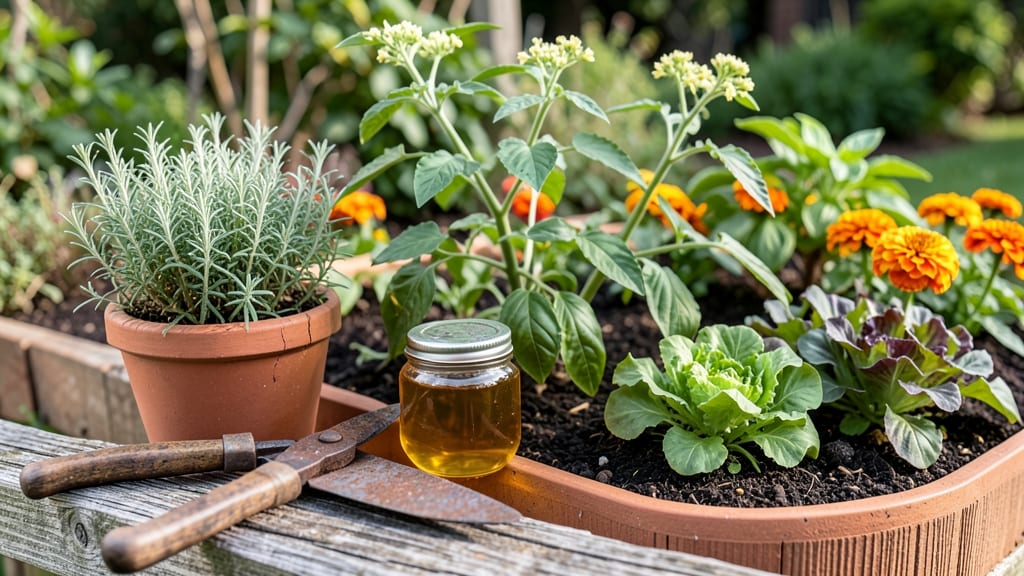
Garden plants grow well together when you pair them intentionally—marigolds naturally repel pests around tomatoes, basil deters flies while making cucumbers taste sweeter, and carrots grow better near onions because they improve soil health. Just avoid pairing cabbage with strawberries, since they compete for the same nutrients.
Companion planting isn't just about aesthetics—it's a smart gardening strategy that boosts yields and reduces pests. 🌱 The right plant neighbors can improve soil fertility, deter harmful insects, or even enhance flavors.
For example, planting nasturtiums near your vegetables acts as a natural trap crop, drawing pests away from your main harvest. This method works because some plants release chemicals that repel specific insects, while others attract beneficial predators like ladybugs.
The key is understanding which plants share similar growing conditions and mutually beneficial relationships.
Many gardeners also use this technique to maximize space in small plots. Tall plants like sunflowers can provide shade for heat-sensitive crops below, while shallow-rooted herbs protect deeper-rooted vegetables from wind damage.
The science behind these pairings often involves nitrogen-fixing plants like beans, which enrich the soil for heavy feeders such as tomatoes. By planning your garden layout with these principles, you'll create a more productive and low-maintenance growing environment.
💡 In This Article
- How Companion Planting Boosts Growth and Pest Control
- Top Companion Planting Charts for Vegetables and Herbs
How companion planting boosts growth and pest control
Companion planting creates a dynamic ecosystem where plants interact through chemical signals and physical relationships. Take marigolds, for instance—they release pyrethrin, a natural insecticide that repels aphids, nematodes, and even rabbits.
When planted near tomatoes, these bright orange flowers act as a protective barrier, reducing the need for chemical pesticides. 🌼 The key mechanism here is allelopathy, where one plant releases compounds that inhibit or stimulate growth in neighboring plants.
For example, basil emits eugenol, a compound that deters flies and mosquitoes while enhancing the flavor of nearby cucumbers through subtle chemical exchanges.
Soil improvement is another critical factor. Legumes like peas and beans form symbiotic relationships with nitrogen-fixing bacteria in their roots, converting atmospheric nitrogen into a form usable by plants.
This process enriches the soil for heavy feeders such as corn or squash, which require 10-20 pounds of nitrogen per acre during their growing season. The roots of carrots and onions also release different compounds that deter specific pests—onions repel carrot flies, while carrots improve the flavor of nearby leeks.
This mutualistic relationship is why these root vegetables are often planted in the same bed.
Physical interactions play a role too. Tall plants like sunflowers or corn provide shade for heat-sensitive crops such as lettuce, reducing moisture loss and maintaining cooler soil temperatures. In contrast, shallow-rooted herbs like thyme or oregano protect deeper-rooted vegetables from wind damage while suppressing weeds through dense ground cover.
The spacing between plants matters—too close, and they compete for nutrients; too far, and they miss the benefits. For example, tomatoes and basil should be planted within 12-18 inches of each other to maximize flavor enhancement and pest control.
Not all pairings are beneficial—some plants are outright competitors. Cabbage family members (brassicas) like broccoli or kale release chemicals that inhibit the growth of nearby strawberries, leading to stunted growth and reduced yields. This competition for nutrients, particularly nitrogen and phosphorus, can leave plants weak and susceptible to disease.
The solution? Plan your garden layout with a mix of complementary and competitive plants, using raised beds or containers to separate aggressive growers.
Seasonal timing also influences these relationships. Cool-season crops like spinach or peas benefit from being planted with warm-season companions like tomatoes, as the tomatoes' deeper roots access water and nutrients that the shallower-rooted spinach might miss.
Conversely, planting heat-loving peppers near basil in early summer ensures the basil's pest-repelling properties are active during the peak pest season. Understanding these seasonal dynamics helps gardeners maximize yields year-round.
For the best results, observe your garden's microclimate and soil conditions. In drought-prone areas, pairing drought-resistant plants like lavender with water-loving herbs such as mint can create a balanced ecosystem.
Lavender's strong aroma deters pests, while mint's aggressive roots help retain moisture. 💧 This thoughtful arrangement reduces water waste and ensures all plants thrive together.