
Advice
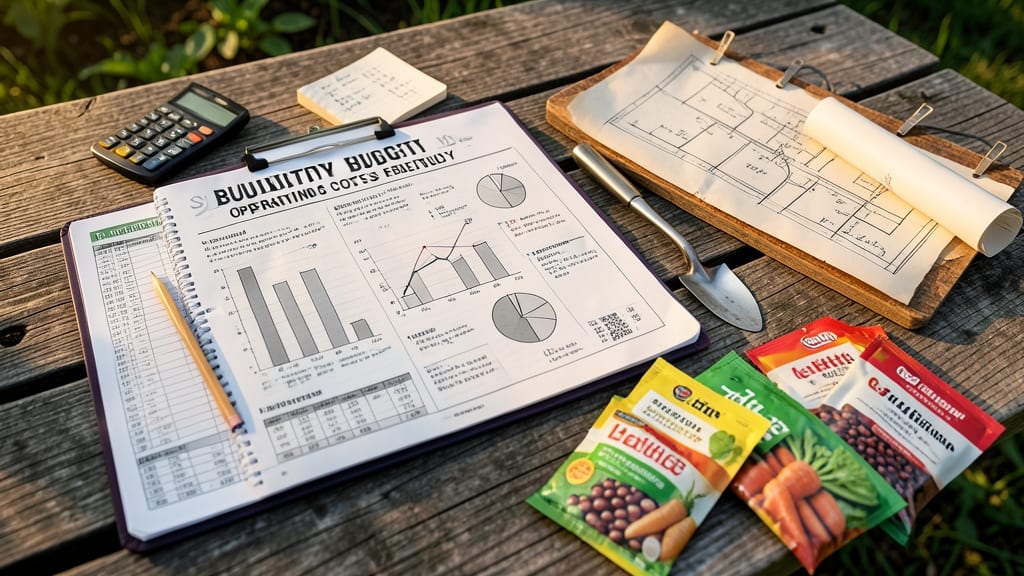
A community garden startup budget and operating costs feasibility study reveals initial investments of $5,000–$50,000+ for land, materials, and setup, with annual operating costs averaging $2,000–$15,000 for upkeep and programming. Success depends on funding sources, volunteer engagement, and smart resource allocation.
Planning a community garden's financial viability starts with understanding how costs scale with size and location. 💰 Smaller urban plots might only need $5,000 for soil prep and basic tools, while rural projects with irrigation systems can exceed $50,000.
The real challenge comes after launch—unexpected expenses like soil amendments or liability insurance often catch organizers off guard. I've seen gardens cut costs by 30% through partnerships with local nurseries for discounted plants and compost, while others fail without clear revenue streams from workshops or produce sales.
What separates thriving gardens from those that fold? It's not just the numbers—it's how you structure funding. Many successful gardens secure grants for infrastructure while relying on volunteers to handle labor-intensive tasks like weeding or harvesting.
The key is balancing upfront investments with sustainable revenue models, whether through membership fees, sponsorships, or selling produce at farmers' markets. Without this mix, even well-funded starts can struggle to maintain momentum.
💡 In This Article
- Key Cost Factors in Community Garden Feasibility Planning
- Funding Strategies to Cut Costs and Boost Sustainability
Key cost factors in community garden feasibility planning
Land acquisition forms the foundation of your budget, with costs varying wildly by location. In urban areas, leasing a ¼-acre plot can run $1,500–$5,000/year, while rural land might cost $500–$2,000/year but require more upfront soil testing ($500–$1,500) to identify pH imbalances or heavy metal contamination.
I've seen gardens in California face 20–30% higher costs for irrigation systems due to water restrictions, while Northeast gardens often need $1,000–$3,000 for frost protection measures like row covers or cold frames.
Infrastructure like fencing and pathways adds another layer. A simple 6-foot chain-link fence for a ½-acre plot costs $3,000–$6,000, but permaculture designs with swales and hugelkultur beds can increase material costs by 40% while reducing long-term water needs.
Permits often get overlooked—building codes for tool sheds or compost bins can add $500–$2,000 in fees, and liability insurance typically runs $500–$1,500/year depending on garden size and activities.
The hidden cost of erosion control (like mulch or retaining walls) can surprise planners in sloped areas, sometimes adding $1,000–$3,000 to initial budgets.
Recurring costs create their own challenges. Water bills for 50 raised beds might average $300–$800/year, but drought-prone regions see spikes of 3x that amount. Compost production is another variable—buying 2 cubic yards costs $150–$300, while DIY systems pay off after 2–3 years of operation.
Pest management often gets underestimated; organic sprays cost $200–$500/year, but integrated pest management (IPM) programs can reduce this by 50% through prevention strategies like companion planting and beneficial insect habitats.
Labor is where volunteer hours become currency. A garden with 50 active volunteers can save $10,000–$20,000/year in wages, but organizing these hours requires $1,000–$3,000/year for coordination tools, training, and liability waivers. The sweet spot is 30–50 volunteers—enough to handle routine tasks but not so many that management becomes overwhelming.
I've seen gardens with 100+ volunteers struggle with burnout when leadership fails to rotate responsibilities effectively.
Seasonal variations add complexity. Spring planting requires $500–$2,000 for seeds and transplants, while winter maintenance (like tool sharpening or greenhouse heating) can cost $300–$1,000. The biggest budget shock comes from unexpected repairs—broken irrigation pipes or collapsed trellises can cost $500–$3,000 if not budgeted for.
That's why I recommend setting aside 5–10% of annual revenue for a "contingency fund" to handle these surprises without derailing operations.
Regional climate plays a surprising role in cost efficiency. Gardens in Zone 5–7 spend more on frost protection, while Zone 8–10 gardens invest in shade cloth to prevent heat stress. The lesson?
Tailor your budget to local growing conditions—what works in Mediterranean climates (like drip irrigation) fails in humid subtropical zones where fungal diseases thrive. A well-researched plan accounts for these regional quirks before the first shovel hits the dirt. 🌱