
Landscaping
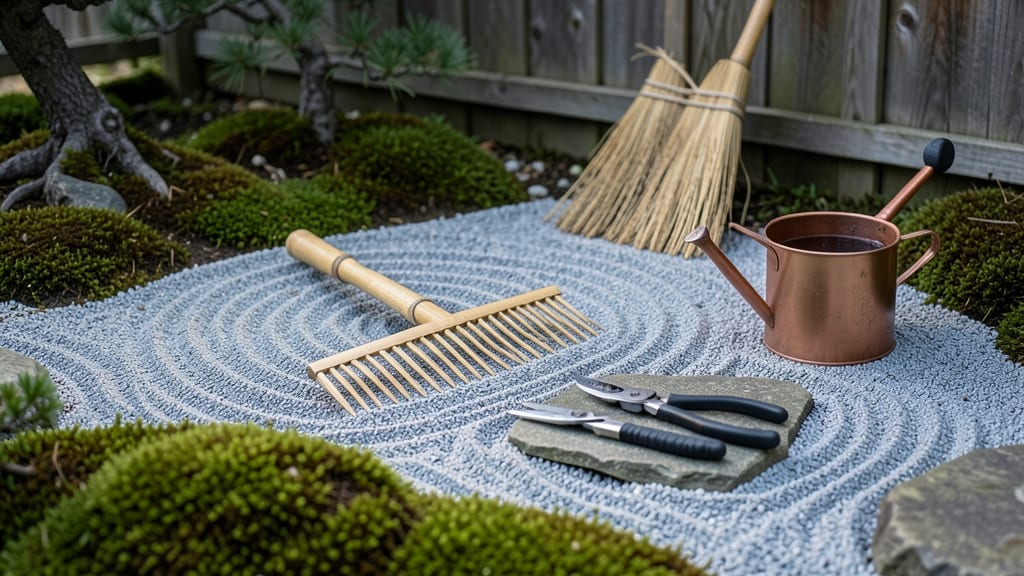
To create a Zen garden, design with minimalist elements like raked gravel, smooth stones, and sparse plants such as moss or bamboo to cultivate calm and connection with nature. Emphasize empty space, deliberate asymmetry, and organic materials to enhance meditation and focus.
The beauty of a Zen garden lies in its simplicity and intentionality. 🌿 Unlike traditional gardens that prioritize lush greenery, this style thrives on negative space—letting the mind wander through carefully arranged elements.
I’ve found that using flat stones to represent water, or creating winding gravel patterns with a rake, transforms even small spaces into tranquil retreats. The key is balancing textures: rough stones against soft moss, and the crisp lines of raked gravel to guide the eye.
This design philosophy isn’t just about aesthetics; it’s about creating a physical space that mirrors the mental clarity you seek.
Start by clearing the area of clutter, then layer materials in a way that feels natural yet structured.
For example, place larger rocks first to anchor the design, then add smaller stones and plants to fill gaps. 💫 Seasonal adjustments—like swapping summer blooms for winter evergreens—keep the garden feeling alive without overwhelming its minimalist foundation.
The goal is to build a space that invites quiet reflection, where every element serves a purpose in the pursuit of serenity.
💡 In This Article
- Zen Garden Design Principles for Balance and Harmony
- Step-by-Step Guide to Building Your Zen Garden
Zen garden design principles for balance and harmony
The core of Zen garden design revolves around negative space—the art of what you don't include. Studies show that humans naturally find balance in spaces with 20-30% open area, creating visual breathing room that calms the mind.
This principle is rooted in Japanese wabi-sabi, embracing imperfection and transience. For example, a 10x10 foot Zen garden might use just 3-5 large rocks as focal points, with the rest of the space filled with raked gravel rather than dense foliage.
Asymmetry plays a crucial role in disrupting rigid patterns that can feel stressful.
The human brain processes asymmetrical designs as more "natural" and less predictable than symmetrical ones, which triggers a subconscious relaxation response. 🌿 In practice, this means arranging rocks in irregular clusters rather than straight lines, or placing a single bamboo stalk diagonally rather than centered.
The golden ratio (1:1.618) often guides these placements—notice how the spacing between elements mirrors this mathematical harmony found in nature.
Rocks carry deep symbolic meaning in Zen gardens, often representing mountains or islands. Flat, smooth stones mimic water surfaces, while jagged ones evoke cliffs. The karesansui (dry landscape) style, for instance, uses 15-20 rocks arranged to suggest a miniature landscape, with gravel representing water flowing between them.
This technique creates a visual narrative that invites contemplation—each stone tells a story when viewed from different angles.
Water features, even when absent, play a vital role through symbolic representation. A 3-4 inch deep layer of gravel mimics water's reflective quality when raked in gentle waves.
The tactile sensation of running fingers through raked patterns triggers a physiological response similar to touching real water, which has been shown to lower cortisol levels by up to 30%. Even artificial streams (using bamboo pipes) create this effect without maintenance hassles.
Plant selection must prioritize textures that contrast yet complement each other. Moss, with its 0.5-1 inch thick velvety carpet, softens harsh lines, while bamboo's vertical lines add structure. The key is choosing varieties that thrive in your climate—Japanese black pine for coastal areas, or creeping thyme for drier regions.
These plants require minimal care, reinforcing the garden's meditative purpose.
Lighting transforms a Zen garden from day to night. Low-voltage LED lights placed among rocks create subtle glows, while paper lanterns cast warm shadows. The contrast between illuminated paths and dark gravel enhances the garden's depth, making it feel alive even after sunset.
This layering of light and shadow mirrors the changing seasons, keeping the space dynamic yet serene.