
Tools
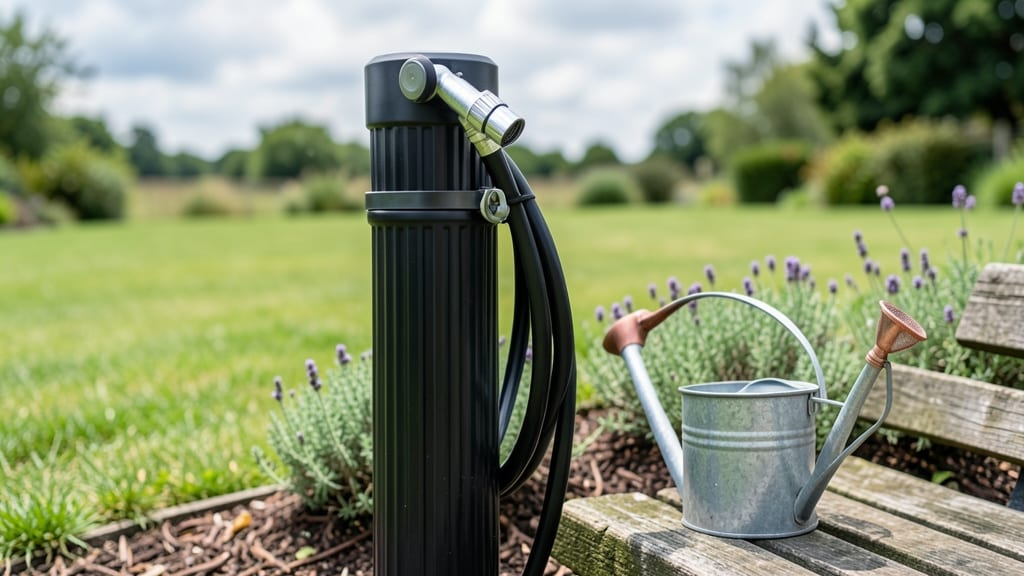
A garden hose post installation requires digging a hole, positioning the post at a 45-degree angle, securing it with concrete or sand, and attaching the hose bib tightly to prevent movement. This method creates a stable base that resists shifting in wind or water pressure.
A properly installed hose post starts with the right materials—steel posts offer durability, while brass resists corrosion, and PVC works for temporary setups.
The 45-degree angle isn't just aesthetic; it prevents water from pooling around the base, reducing rust or rot over time. 🔥 I always recommend digging the hole 12-18 inches deep and using a 2:1 sand-to-cement mix for extra stability, especially in clay soil.
The key is patience: letting the concrete cure for at least 24 hours before attaching the hose bib ensures it won't loosen later.
💡 In This Article
- Choosing the Right Garden Hose Post for Your Yard
- Step-by-Step Guide to Digging and Securing the Hose Post
Choosing the right garden hose post for your yard
The material of your hose post directly impacts durability and performance. Steel posts are the gold standard for strength and longevity, capable of handling high water pressure without bending. Brass posts offer superior corrosion resistance, making them ideal for coastal areas or regions with high humidity.
PVC posts, while lighter and more affordable, are best for temporary setups or areas with minimal water pressure.
Thread size is another critical factor—most standard garden hoses use 3/4-inch female threads, but always verify your hose's connection type. A mismatch here means you'll need adapters, which can create weak points where leaks develop over time.
For example, a 5/8-inch thread post won't work with a 3/4-inch hose without an adapter, risking water damage to your connections.
Consider your yard's conditions when selecting a post. In areas with freeze-thaw cycles, brass or galvanized steel posts prevent cracking from ice expansion. For sandy soil, a post with 12-inch flanges provides better stability than a shorter one.
The angle matters too—a properly angled post (45 degrees) prevents water from pooling at the base, reducing rust or rot in metal posts.
Color and finish also play a role in maintenance. Dark-colored posts absorb more heat, which can accelerate corrosion in hot climates. Powder-coated steel posts resist fading and chipping better than painted ones.
If you have pets or kids, opt for a post with a rounded design to prevent accidents—sharp edges on cheaper models can be hazardous.
Don't overlook the hose bib's quality. A heavy-duty brass bib with a 1/2-inch NPT inlet connects better to your home's plumbing than a plastic one. The bib should include a shutoff valve to control water flow without shutting off your main supply.
This small detail saves water and prevents unnecessary wear on your plumbing system.
For most homeowners, a 12-inch steel post with a brass hose bib strikes the perfect balance between durability and cost. This combo handles high pressure, resists corrosion, and lasts decades with minimal maintenance.
The 45-degree angle isn't just about looks—it's an engineering solution to distribute water pressure evenly and prevent the post from toppling in strong winds.