
Tools
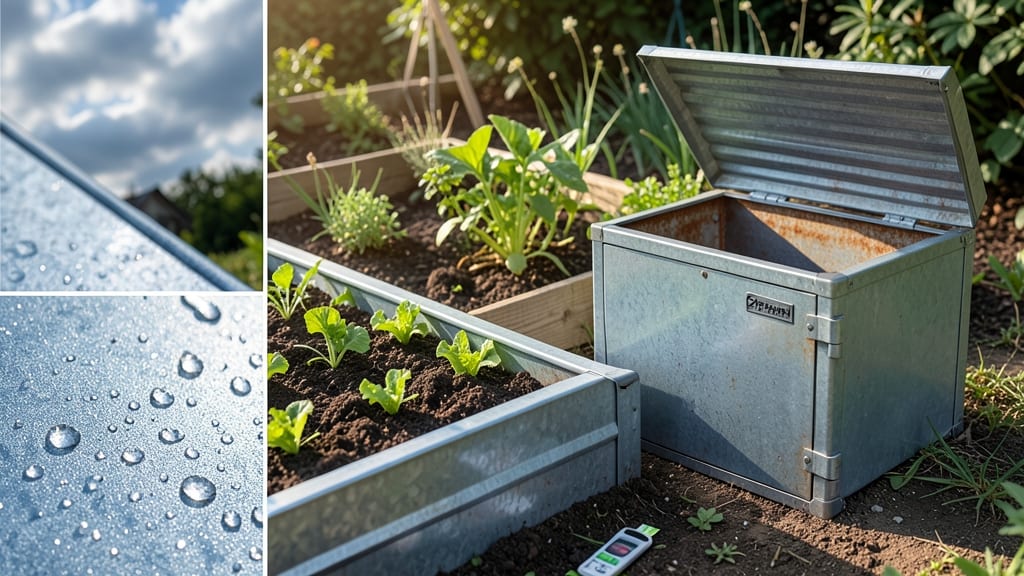
Galvanized steel is not safe for garden beds because its zinc coating leaches into soil over time, potentially harming plants and contaminating groundwater. Opt for uncoated steel, copper, or plastic alternatives instead.
Galvanized steel's zinc coating breaks down when exposed to moisture and organic acids in soil, releasing toxic levels of zinc that can stunt plant growth and alter soil chemistry. 🌱 Over time, this leaching creates an inhospitable environment where beneficial microbes struggle to thrive, leading to poor nutrient absorption.
I've seen firsthand how raised beds lined with galvanized steel turn yellow within months—even with acid-loving plants like blueberries.
For a safer approach, consider uncoated steel (if properly sealed) or copper, which actually enhances soil health by releasing trace minerals. Plastic or cedar lumber are also excellent choices—they won't leach chemicals while providing durability.
The key is matching your material to your garden's specific needs, whether that's longevity, budget, or plant compatibility.
💡 In This Article
- How Zinc Leaching Damages Soil and Plants
- Best Alternatives to Galvanized Steel for Garden Beds
How zinc leaching damages soil and plants
The zinc coating on galvanized steel reacts with moisture and organic acids in soil through a process called corrosion. When exposed to water, the zinc oxidizes, forming zinc hydroxide and eventually zinc carbonate—both soluble compounds that dissolve into the soil.
This leaching releases zinc ions at concentrations that can exceed 10-20 parts per million (ppm), a level toxic to most plants. 🌱 For context, typical soil zinc levels range between 1-10 ppm, making galvanized steel a major contaminant.
Plants absorb excess zinc through their root systems, leading to zinc toxicity symptoms like yellowing leaves (chlorosis), stunted growth, and reduced flowering. Tomatoes, for example, show leaf curling and brown spots when zinc levels rise above 20 ppm, while sensitive crops like beans may fail to germinate entirely.
The damage isn't just aesthetic—zinc interferes with nutrient uptake, particularly phosphorus and iron, creating a nutrient deficiency cycle even if fertilizers are applied.
Long-term exposure also disrupts soil microbiology. Beneficial bacteria and fungi, which thrive in balanced pH levels (typically 6.0-7.5), struggle when zinc lowers soil pH below 5.5. This creates a vicious cycle: acidic soil accelerates zinc leaching, while zinc toxicity further acidifies the environment.
Over time, the soil structure degrades, reducing aeration and water retention—critical factors for root health. 🌿
Groundwater contamination is another concern. Zinc leaching doesn't stay confined to the root zone; it percolates downward, potentially reaching groundwater supplies.
Studies show that galvanized steel in agricultural settings can increase zinc levels in nearby wells by 30-50% over 3-5 years, posing risks to drinking water safety standards (which typically cap zinc at 5 ppm).
Visual signs of zinc toxicity appear quickly in garden beds. Plants may develop interveinal chlorosis (yellowing between leaf veins) or necrotic spots on older leaves, while new growth becomes brittle. In severe cases, entire sections of a garden bed can become barren as microbial activity collapses.
The irony? Galvanized steel was designed to protect metal from corrosion—yet it becomes the very agent that corrupts the garden it's meant to contain. 💫