
Tools
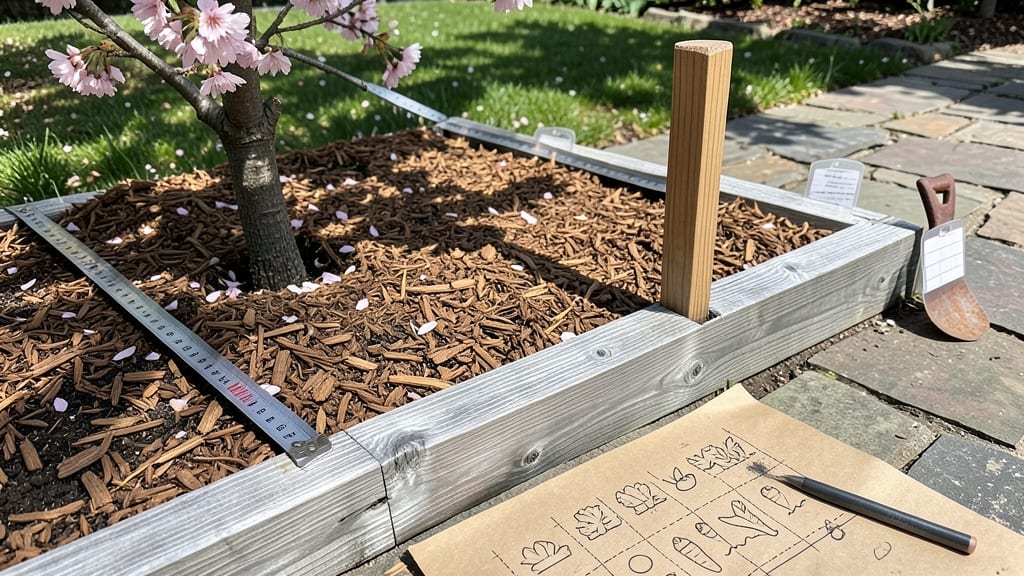
A standard garden bed size is typically 4 feet wide by 8 feet long, with a depth of 6 to 12 inches. This configuration balances accessibility, soil quality, and efficient planting layouts.
This ideal garden bed layout isn't random—it's designed for practicality and plant health.
A 4-foot width lets you reach the center from both sides without stepping on the soil, which helps prevent compaction that roots hate. 🌱 Meanwhile, the 8-foot length gives you room to rotate crops effectively while keeping the bed manageable.
Depth matters too: 6-12 inches accommodates most root systems while making soil maintenance easier.
What's interesting is how these dimensions adapt to different spaces. For small yards, you might opt for narrower beds (2-3 feet wide) to maximize planting area without sacrificing accessibility. Urban gardeners often use modular systems with 4-foot widths but shorter lengths (4-6 feet) to fit balconies or rooftops.
Even the height can be adjusted—adding 2-4 inches of extra depth helps with moisture retention in hot climates.
💡 In This Article
- How Garden Bed Dimensions Impact Plant Growth and Soil Quality
- Designing Accessible Raised Garden Beds for Different Spaces
How garden bed dimensions impact plant growth and soil quality
The 4-foot width of a standard garden bed isn't just convenient for gardeners—it's scientifically optimized for plant health. When you walk on soil, your weight compacts it, reducing air pockets that roots need to breathe.
A 4-foot width lets you reach the center from both sides without stepping on the bed, preserving that crucial aeration.
Studies show compacted soil can reduce root growth by up to 30%, making this dimension critical for vegetables like carrots or potatoes that need deep, loose soil to develop properly.
Length plays a different but equally important role in plant health. An 8-foot length provides enough space for proper crop rotation—a practice that prevents soil depletion and disease buildup.
For example, planting tomatoes in one section, then beans in the next year, and finally potatoes afterward creates a natural cycle that maintains soil fertility. The length also allows for companion planting, where beneficial plants like basil near tomatoes can deter pests while improving flavor.
Shorter beds (4 feet) work well for small spaces but limit these benefits, forcing you to replant the same area more frequently.
Depth between 6-12 inches strikes a balance between accommodating most root systems and making soil management practical. Shallow-rooted plants like lettuce or radishes thrive in 6-inch depths, while deeper-rooted crops like carrots or beets need the full 12 inches.
This depth range also helps with moisture retention—deeper soil holds water longer in hot climates, while shallower beds dry out faster but warm up quicker in cooler seasons. The extra 2-4 inches of depth in raised beds further improves drainage, reducing the risk of root rot in heavy clay soils.
Soil quality isn't just about dimensions—it's about how those dimensions interact with your gardening practices. For instance, a 4x8-foot bed with 12-inch depth will heat up more slowly in spring than a shallower bed because the soil mass acts as insulation.
This gives cool-season crops like peas or spinach a head start. Conversely, in summer, the deeper soil stays cooler longer, protecting heat-sensitive plants like cucumbers.
The width also affects how evenly water distributes—narrower beds (3 feet) can develop dry spots in the center if not watered carefully, while the standard width ensures consistent moisture across the entire planting area.
Consider this real-world example: In a 4x8-foot bed, you can plant 16 tomato plants in a grid pattern with 2 feet between each, giving them room to spread while maintaining airflow. In a 3x6-foot bed, you'd only fit 9 plants, reducing yield by nearly half.
The extra space in the standard size also makes weeding and harvesting easier—you're not crowded, and your back won't protest after 20 minutes of work. This ergonomic benefit alone makes the standard size worth adopting, even if you have limited space.
One nuance worth noting is how these dimensions change for raised beds versus in-ground planting. Raised beds often use 10-12 inches of depth to accommodate nutrient-rich soil mixes, while in-ground beds might start with just 6 inches but benefit from the native soil's structure.
The key is matching the depth to your plants' needs—deep-rooted perennials like asparagus need the full 12 inches, while annuals like zucchini can thrive in 8 inches. Always measure your bed's depth before planting to avoid stunted growth from restricted roots.