
Tools
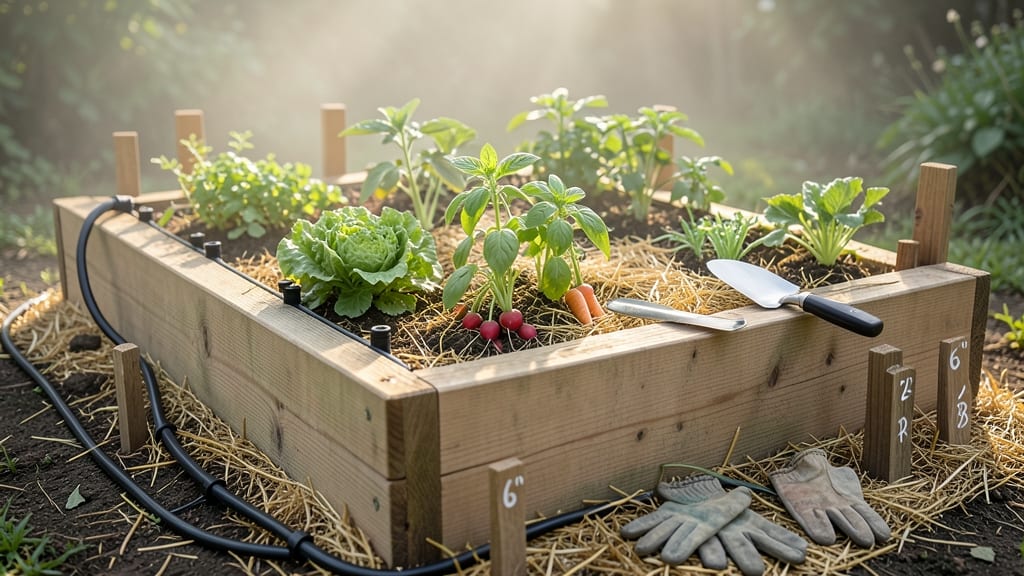
Garden bed height matters because vegetables need 6 to 12 inches of depth for root development, while herbs generally do well in shallower beds of 4 to 8 inches. Raised beds improve drainage and soil quality for both types of plants.
Getting the right garden bed height isn't just about aesthetics—it directly impacts how well your plants grow. 🌱 For vegetables like carrots or potatoes, deeper beds let roots spread without hitting hardpan, while shallower beds work perfectly for herbs like basil or thyme, which have smaller root systems.
I've found that raised beds solve common soil issues like poor drainage or compaction, especially in heavy clay soils, by giving you complete control over the growing medium.
Here's a pro tip: if you're planting both veggies and herbs together, consider creating separate zones within the same raised bed. This way, you get the benefits of raised gardening—like fewer weeds and better moisture control—while still meeting each plant's specific depth needs.
Just remember to use materials that won't leach chemicals into your soil, like untreated wood or metal frames.
💡 In This Article
- How Root Depth and Soil Type Affect Garden Bed Height
- Designing the Perfect Garden Bed for Vegetables and Herbs
How root depth and soil type affect garden bed height
The key to understanding garden bed height lies in your plants' root systems. Vegetables like carrots and potatoes develop deep taproots that can extend 12-18 inches underground, while herbs such as basil and thyme have fibrous roots that typically stay in the top 6-8 inches.
This is why vegetables need 6-12 inches of soil depth—they require space to establish strong root structures that anchor the plant and access water and nutrients deep below. 🌱 For herbs, shallower beds of 4-8 inches are perfect since their roots don't need as much vertical space to thrive.
Soil type plays a huge role in determining how deep your bed should be. In heavy clay soils, which compact easily and restrict root growth, deeper beds (up to 12 inches) become essential to prevent roots from hitting impenetrable layers.
Loamy soils, however, naturally drain well and hold moisture, allowing roots to spread more easily in shallower beds (6 inches).
Raised beds solve this problem entirely by giving you complete control over the soil composition, letting you mix in compost or sand to create the perfect growing medium regardless of your native soil type.
Height also affects moisture retention and weed suppression. Deeper beds hold more water, which is crucial for vegetables during dry spells, while shallower beds dry out faster—ideal for herbs that prefer well-draining conditions.
The extra height of raised beds (typically 10-12 inches) also creates a physical barrier that blocks weeds from invading, reducing competition for nutrients. This is especially valuable in urban gardens where weed pressure is high.
The elevated design also improves air circulation around plant roots, reducing the risk of fungal diseases that thrive in damp, stagnant soil.
Consider this: a 6-inch-deep bed might work for leafy greens like lettuce, but the same depth would stunt root vegetables like beets. The solution? Layer your bed with organic matter like compost or aged manure to create a nutrient-rich zone that encourages deeper root penetration.
For herbs, a 4-inch layer is often sufficient, but adding a 2-inch layer of mulch on top helps retain moisture while keeping roots cool. The right height isn't just about depth—it's about creating an environment where roots can flourish without stress.
Another critical factor is the bed's width. While height is vertical, width affects how you access the center of the bed. A bed that's too wide (over 4 feet) becomes difficult to reach the middle without stepping on the soil, which compacts it.
Narrower beds (3 feet) allow you to tend to plants from all sides, promoting even growth. This is why many gardeners opt for multiple 3-4 foot wide raised beds arranged in rows—it maximizes space while keeping maintenance manageable.
The height and width work together to create an efficient growing system tailored to your plants' needs.
For container gardening, the principles are similar but scaled down. A 12-inch-deep pot is ideal for tomatoes, while herbs thrive in 6-inch containers. The key is ensuring the container's depth matches the plant's root requirements.
This is where raised beds shine—they offer the flexibility to adjust height while providing the stability of in-ground planting. Whether you're working with soil or containers, the goal is the same: create a growing environment where roots can spread freely without restrictions. 🌿