
Pests and Diseases
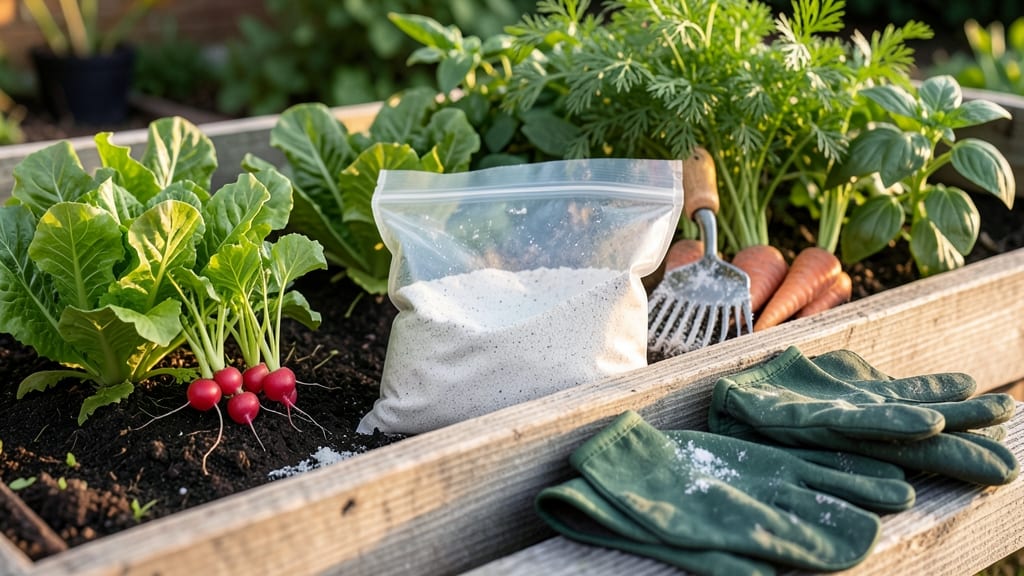
Diatomaceous earth in garden beds works as a natural pesticide by dehydrating soft-bodied pests like slugs, aphids, and beetles through microscopic silica particles, while remaining non-toxic to plants and soil when used properly at 1 to 2 pounds per 100 square feet.
This powdery substance is made from fossilized algae, creating sharp edges that pierce delicate insect exoskeletons without harming hard-shelled creatures or beneficial organisms like bees and earthworms. 🔥 The key is applying it in dry conditions—rain will wash it away, reducing its effectiveness.
I've found that mixing it lightly into the top inch of soil or sprinkling around plant bases gives the best results, especially when targeting pests that crawl along the ground.
For maximum impact, reapply every 2-3 weeks or after heavy rain, and always wear a dust mask during application to avoid inhaling the fine particles.
The beauty of diatomaceous earth lies in its dual nature: it's tough on garden pests but gentle enough to use around edible plants when applied correctly.
💡 In This Article
- How Diatomaceous Earth Works Against Garden Pests
- Step-by-Step Guide to Applying Diatomaceous Earth Safely
How diatomaceous earth works against garden pests
Diatomaceous earth (DE) functions as a natural insecticide through its microscopic structure. When applied, the powder contains sharp, jagged edges created from fossilized algae deposits—each particle is roughly 10-100 microns in size.
These microscopic "glass shards" physically pierce the waxy outer layer of soft-bodied insects like aphids, slugs, and beetles, creating tiny wounds that disrupt their protective barrier. 🔥 The real damage comes from dehydration: once the exoskeleton is compromised, pests lose moisture rapidly through their bodies, leading to death within 48-72 hours.
What makes DE so selective is its inability to penetrate hard exoskeletons. Beetles with thick shells or bees with waxy coatings remain unaffected, which is why DE is considered bee-friendly when applied correctly.
The powder also lacks chemical toxicity—it doesn't poison pests or plants, but instead acts like a physical barrier. For comparison, DE's mechanism is similar to how salt dehydrates food, but on a cellular level for insects.
When applied at 1-2 pounds per 100 square feet, it creates a protective layer that pests must cross to reach plants.
The science behind DE's effectiveness lies in its amorphous silica content (typically 80-90% pure silica). This form of silica is non-crystalline and safe for plants, unlike crystalline silica found in some industrial products.
The powder's lightweight nature allows it to stick to pests' bodies while remaining suspended in air, making it effective against both crawling and flying insects. However, its performance drops dramatically when wet—rain or dew dissolves DE's structure, rendering it useless until reapplied.
This is why gardeners apply it in dry conditions, typically in the early morning when dew has evaporated.
An often-overlooked benefit is DE's secondary effect on plant health. By eliminating pests like aphids (which spread viruses) and slugs (which devour leaves), DE helps plants grow stronger without chemical stress. The powder also doesn't leave residues that harm beneficial soil microbes when used at recommended rates.
For example, earthworms—critical for soil aeration—avoid DE because their thick skin protects them, while soft-bodied pests like cutworms become trapped in the powder. This selective action makes DE one of the few natural pest controls that targets only harmful insects without collateral damage to the ecosystem. 🌱
To visualize DE's impact, imagine a microscopic battlefield where each particle acts as a tiny blade. When aphids crawl across treated soil, they encounter thousands of these sharp edges per square inch, creating a lethal environment.
The key difference from chemical pesticides is that DE doesn't kill instantly—it forces pests to "work" to survive, making it particularly effective against slow-moving insects that can't escape quickly. This gradual action also means DE provides residual protection for 1-3 months between applications, depending on weather conditions.
One common misconception is that DE works equally well against all pests. In reality, it's most effective against soft-bodied insects with thin exoskeletons. Hard-shelled pests like earwigs or certain beetle species may show little response.
The powder's effectiveness also varies by particle size—food-grade DE (with finer particles) works better than pool-grade DE (coarser particles) for garden use. This precision in targeting makes DE an eco-friendly alternative to broad-spectrum chemical pesticides that harm non-target organisms. 💫