
Tools
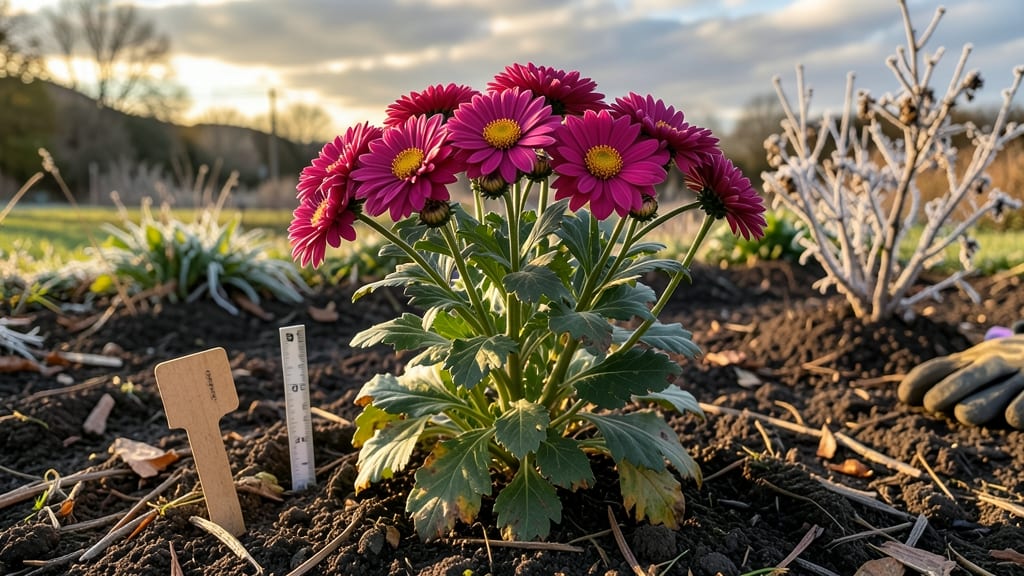
Garden mums do not come back every year unless you plant perennial varieties like Chrysanthemum morifolium. Most store-bought annuals fade after blooming, but with proper winter care—cutting back stems, mulching, and protecting roots—perennial types can thrive for years.
Most garden mums sold in fall are annual varieties bred for vibrant blooms but not cold resistance. 🌱 Perennial mums, however, can survive winters with the right preparation—like cutting stems to 2 inches above soil and covering roots with 4-6 inches of mulch.
The key difference lies in their root systems: perennials develop deeper roots that store energy for regrowth, while annuals lack this resilience. In colder zones (USDA 5-6), adding frost blankets or extra mulch makes all the difference between a dead plant and next year's blooms.
Even with care, some perennial mums may not return if they're stressed by pests, disease, or improper pruning. I've found that late-summer pruning (after blooms fade) helps redirect energy to root growth rather than seed production.
For best results, choose varieties labeled "hardy" or "perennial" and give them full sun—this combo maximizes their chances of coming back stronger each year.
💡 In This Article
- Why Perennial vs Annual Garden Mums Die
- Step-by-Step Guide to Overwintering Garden Mums
Why perennial vs annual garden mums die
The survival difference between annual and perennial garden mums comes down to their biological life cycles and root systems. Annual mums, like those sold in fall nurseries, complete their life cycle in one season—sprouting, blooming, and dying after producing seeds.
Their shallow roots store minimal energy, leaving them vulnerable to cold snaps. Perennial mums, however, like Chrysanthemum morifolium, develop deep, fibrous root systems that store carbohydrates for winter dormancy and spring regrowth.
Climate zones play a critical role in survival. In USDA zones 7-9, perennial mums often return naturally with minimal care, as winter temperatures rarely drop below 10°F. But in colder zones (5-6), where temperatures can plunge to -10°F or lower, even hardy mums need protection.
The root zone must stay above 20°F to prevent freezing, which kills the plant's energy reserves. Without proper insulation, roots can't recover in spring, leading to death.
Improper winter care accelerates plant death through a process called desiccation. When stems aren't cut back by late fall, they continue transpiring moisture, drying out the roots. Additionally, inadequate mulching (less than 4 inches) fails to insulate against temperature fluctuations, causing root damage.
I've seen mums survive -5°F with 6 inches of straw mulch, but freeze without it.
Dormancy requirements vary by variety. Some perennials enter dormancy naturally when days shorten, while others need a 4-6 week cold period to trigger regrowth. Forcing dormancy too early (by cutting stems in summer) can starve the roots of energy.
The sweet spot is pruning after the first frost but before hard freezes, allowing the plant to harden off gradually.
Pests and diseases also contribute to winter mortality. Fungal infections like powdery mildew weaken plants before winter, while rodents may gnaw on roots under thin mulch layers. Healthy perennials, however, develop thicker bark and root insulation over time, making them more resilient.
The key is balancing winter protection with natural hardening—too much shelter can create humid microclimates that promote rot.
Consider these survival factors when choosing mums:
- Root depth: Perennials develop roots 12-18 inches deep by fall, while annuals rarely exceed 6 inches
- Cold tolerance: Hardy varieties survive to -20°F with proper mulching, while tender types die above 25°F
- Mulch thickness: 4-6 inches of straw or leaves insulates better than 2 inches of wood chips
The bottom line? Annual mums are bred for beauty, not survival—perennials need both proper variety selection and winter care to thrive. With the right approach, those deep-rooted perennials can outlive annuals by a decade or more! 🌿