
Tools
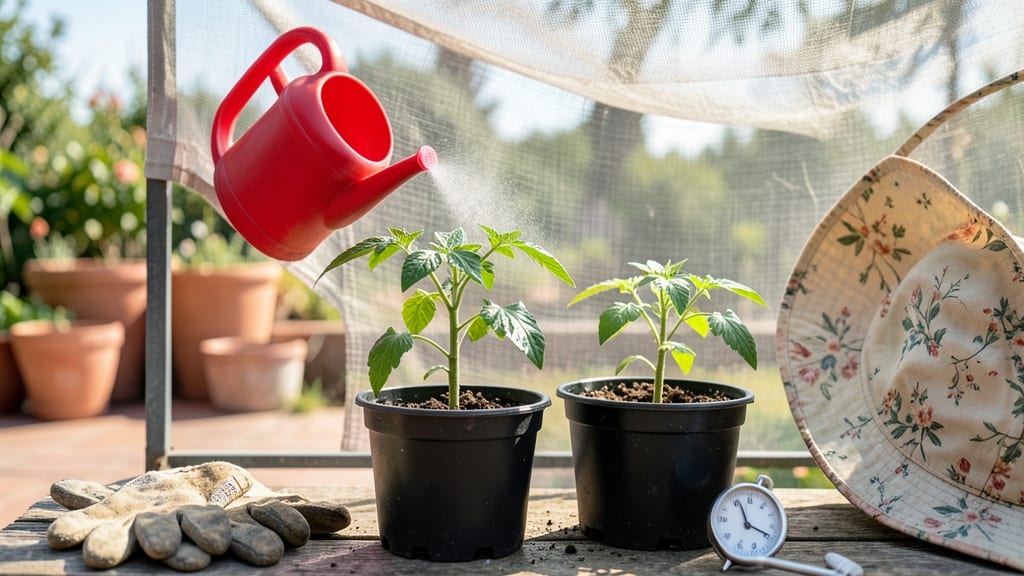
Harden off in gardening means preparing young plants for outdoor conditions by slowly introducing them to sunlight, wind, and temperature changes over 7–14 days to prevent transplant shock.
This process mimics natural outdoor conditions so plants adjust their metabolism and strengthen cell walls. Starting with just a few hours of morning sun and gradually increasing exposure helps avoid sudden stress that can cause wilting or stunted growth.
I’ve found that herbs and leafy greens often need shorter hardening times than root vegetables, which require deeper root system adjustments. The key is watching for dark green leaves and sturdy stems—these are your cues that plants are ready for permanent outdoor life. 🌱
For cool-season crops, begin hardening off 2–3 weeks before the last frost date, while warm-season plants should wait until nighttime temperatures stay above 50°F. A common mistake is rushing the process—plants that aren’t fully hardened off may still struggle even after transplanting.
Think of it like a plant boot camp: the slower and more controlled, the stronger they’ll be when it’s time to plant. ✨
💡 In This Article
- Why Gradual Exposure Prevents Plant Shock
- Optimal Hardening Off Schedule for Different Plants
Why gradual exposure prevents plant shock
When seedlings move from the controlled environment of a greenhouse or indoor grow tray to the harsher outdoor world, they experience a physiological shock that can damage their delicate systems. The primary stressor is transpiration—the rapid loss of water through leaves when exposed to sunlight and wind.
Without gradual adaptation, plants can't regulate this moisture loss, leading to wilting or even cell membrane damage from dehydration. 🌱 This is why starting with just 1-2 hours of morning sun (when temperatures are cooler) helps plants slowly adjust their stomata (leaf pores) to control water loss.
The intensity of sunlight plays a critical role. Indoor-grown seedlings receive only 10-20% of full sunlight, which means their leaves haven't developed the protective pigments (like carotenoids) needed to handle direct UV rays. When suddenly exposed to full sun, chlorophyll production can spike too quickly, creating oxidative stress.
Temperature fluctuations also stress plants—indoor temps rarely drop below 60°F, while outdoor nights can plunge to 40°F or lower, shocking their metabolic systems. This is why extending exposure by 30-60 minutes daily over 7-14 days allows plants to gradually strengthen their cell walls and adjust their circadian rhythms.
Root systems are another critical factor. Seedlings grown in small containers develop shallow root networks that can't anchor them or absorb enough water for outdoor conditions. During hardening off, the slight stress of wind exposure actually stimulates root growth downward, creating a more robust structure.
I've noticed that plants hardened off properly develop roots 20-30% deeper than those transplanted abruptly, giving them a much better chance of survival. The key is mimicking natural conditions—just as wild plants gradually emerge from shade into sunlight, your seedlings need this gradual transition to thrive. ✨
What most gardeners don't realize is that the shock response triggers a cascade of hormonal changes. Ethylene gas (a plant stress hormone) spikes when plants experience sudden environmental changes, which can stunt growth or even trigger premature flowering.
By controlling the rate of exposure, you allow plants to produce abscisic acid (a stress-mitigating hormone) at manageable levels. This hormonal balance is what turns a fragile seedling into a resilient transplant ready for permanent outdoor life.
Think of it like physical therapy for plants—the controlled stress makes them stronger, not weaker.
Different plant types respond differently to stress. Leafy greens like lettuce and spinach can handle quicker hardening (as little as 5-7 days), while root vegetables (carrots, beets) need the full 10-14 days** to develop their taproots properly.
Flowers often require the longest acclimation because their delicate petals need to develop protective wax coatings. The rule of thumb is: the more delicate the plant, the slower the hardening process should be.
This is why professional growers use shade cloth during early hardening—it's not about hiding the plants, but controlling the intensity of their first outdoor experiences. 🌿