
Light Requirements
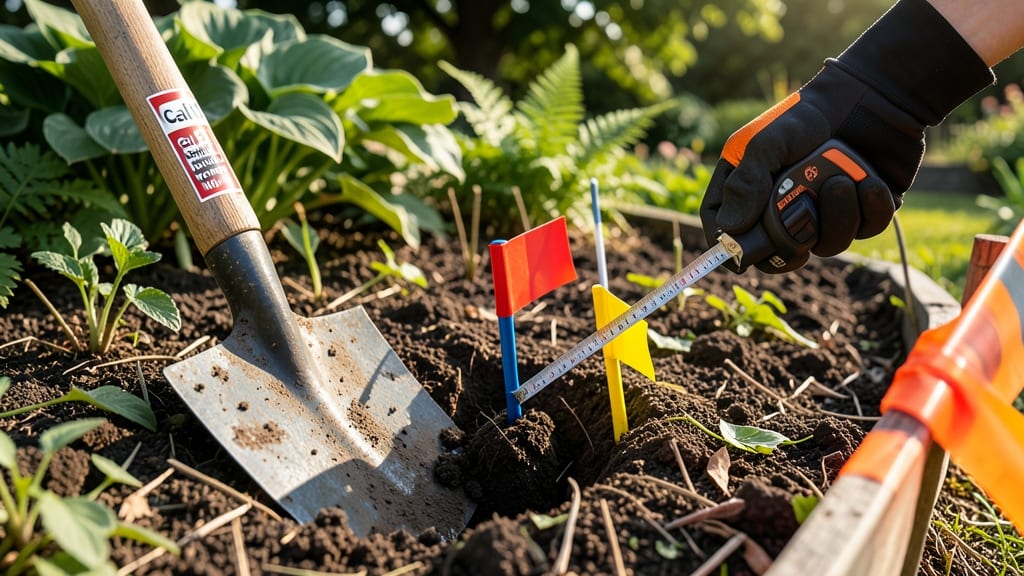
Before digging in your garden, do I need to call 811 for a garden? Yes—state laws mandate this safety step, even for small projects like planting shrubs or installing irrigation systems. Failing to do so risks damaging gas lines, electrical cables, or water pipes, which can cause dangerous leaks, fires, or costly repairs.
This requirement exists because underground utilities often lie just 12-18 inches below the surface, and their locations aren't always visible. 🔥 The 811 system coordinates with local utility companies to mark safe digging zones, and many states impose fines for non-compliance.
Even if your project seems minor, like installing a mailbox or small garden bed, the stakes are high—one misplaced shovel can disrupt critical infrastructure. Always allow 3-5 business days for markings to appear before starting work.
If you're unsure about your project's scale, remember that any digging—whether with hand tools or machinery—triggers the requirement. For example, planting a tree with a 12-inch-deep hole or installing a sprinkler system both qualify.
The safest approach is to call 811 at least 48 hours before digging, even if you're using manual methods. This small step prevents costly mistakes and protects both your property and the community.
💡 In This Article
- When and Why State Laws Require 811 Calls for Gardening Projects
- How to Safely Plan a Garden Without Hitting Underground Utilities
When and why state laws require 811 calls for gardening projects
The 811 system exists because underground utilities are hidden hazards that can cause catastrophic damage. Natural gas lines, for example, operate under 15-20 psi pressure and can explode if punctured—imagine a 50-foot blast radius from a ruptured line near your garden.
Electrical cables, often buried just 12 inches deep, carry 120-240 volts that can electrocute anyone touching them. Even water pipes, when damaged, can flood your yard and erode foundations over time.
State laws mandate 811 calls because utility locations aren't always visible or documented. For instance, 40% of utility strikes occur during small projects like planting trees or installing irrigation, according to the Common Ground Alliance.
Most states require 811 notification for any digging 12 inches or deeper, but some (like California) extend this to 6 inches for projects near known utility corridors. The penalty for ignoring these rules varies—some states charge $500-$1,000 fines, while others impose criminal liability for property damage or injuries.
Here's what happens when you call: Local utility companies send trained technicians to mark your property with spray-painted flags or colored stakes—red for gas, yellow for electrical, blue for water, and white for communication lines.
These markings appear within 3-5 business days, but their accuracy depends on how well the utility companies have documented their underground infrastructure. In rural areas, older systems might lack precise records, making manual excavation even riskier.
What most people don't realize is that 811 doesn't cover all utilities. Private lines—like those for irrigation systems or septic tanks—aren't always marked. That's why it's crucial to research local regulations: Some municipalities require additional permits for projects near property lines or shared easements.
For example, in Florida, homeowners must also notify the local water management district before digging near retention ponds or drainage systems.
Consider this real-world scenario: A homeowner in Texas accidentally severed a gas line while installing a garden bed, causing a $25,000 repair bill and a 3-month evacuation of neighboring homes. The incident could have been prevented by a simple 811 call.
Even if your garden project seems minor, the stakes are high—one misplaced shovel can disrupt critical infrastructure and put lives at risk.
To stay compliant, always verify your state's specific rules. Some states, like New York, require 811 calls for any digging 8 inches or deeper, while others, like Oregon, mandate notification for projects near known utility corridors regardless of depth.
The safest approach is to err on the side of caution and call 811 for any project involving soil disturbance.