
Tools
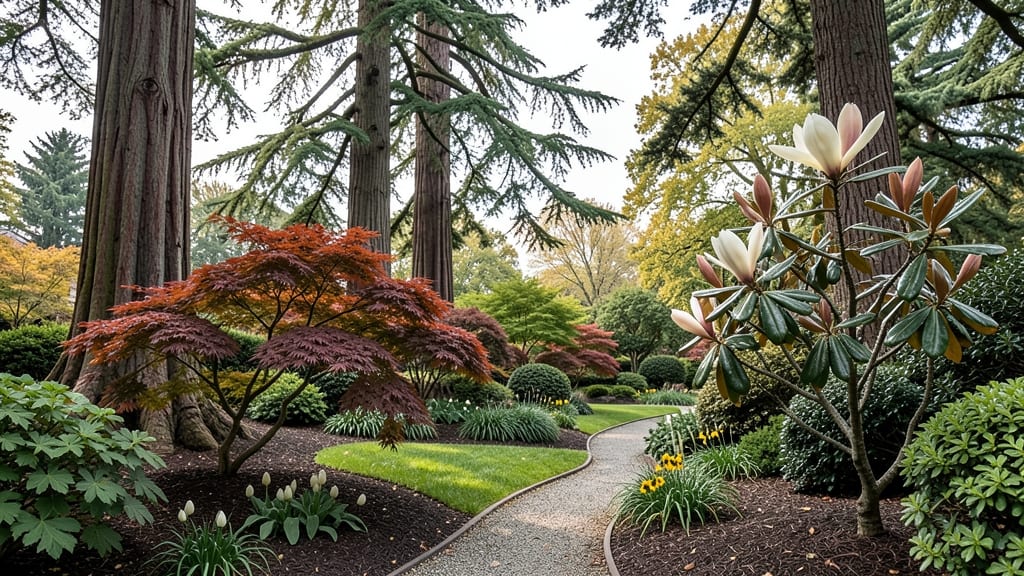
Filoli Garden in Redwood City is a stunning 67-acre estate blending Victorian-era elegance with native California gardens, featuring rare trees, vibrant seasonal blooms, and historic grounds. Visitors can explore guided tours, hands-on workshops, and year-round botanical beauty.
This historic garden stands out for its seamless fusion of old-world charm and native California landscapes. 🌿 The estate's meticulously curated gardens showcase everything from towering redwoods to delicate heirloom roses, all while preserving the original 1915 Victorian design.
Whether you're admiring the spring azaleas or learning about sustainable gardening techniques, Filoli offers a multi-sensory experience that changes with each season.
Beyond its beauty, Filoli serves as an educational resource for plant enthusiasts. The garden's seasonal displays—like winter camellias and summer lavender—provide perfect photo opportunities while demonstrating how historic horticulture meets modern conservation.
Their workshops often focus on practical skills like pruning and propagation, making it a great spot for both casual visitors and serious gardeners.
The estate's year-round accessibility means you can experience its magic in any season. Spring brings vibrant blooms, while winter offers serene, misty landscapes.
Their guided tours provide fascinating historical context, while the self-guided paths let you explore at your own pace—ideal for photographers capturing the estate's architectural details against the garden backdrop.
💡 In This Article
- Exploring Filoli’s Historic Landscape Design and Plant Collections
- Planning Your Visit: Tours, Events, and Seasonal Blooms at Filoli
Exploring Filoli’s historic landscape design and plant collections
Filoli’s landscape design is a masterclass in Victorian-era horticulture, where every path and planting follows a deliberate aesthetic and ecological balance.
The estate’s original 1915 design by architect Willis Polk and landscape architect John Nolen incorporated formal French parterres alongside naturalistic California gardens, creating a harmonious blend of structure and wild beauty.
What makes this unique is how the garden uses topography and microclimates—like the sun-drenched south slopes for Mediterranean plants and shaded north areas for ferns—to showcase plant diversity while maintaining the Victorian ideal of "picturesque" landscapes.
The plant collections at Filoli are equally impressive, featuring over 1,000 varieties of camellias (including rare hybrids from the 1800s) and 50 species of rhododendrons, many of which bloom when few other plants do.
The garden’s coast redwood grove, planted in the 1930s, includes trees over 200 feet tall, while the heirloom rose collection spans 150 varieties, some dating back to the 18th century.
What’s fascinating is how Filoli balances these historic plants with native California species like toyons (California pepper trees) and manzanitas, demonstrating sustainable gardening practices that were ahead of their time.
One of the garden’s standout features is its seasonal color palette, carefully curated to provide visual interest year-round. Spring brings 3,000 azalea bushes in vibrant pinks, reds, and whites, while winter showcases 600 camellias in deep crimsons and ivories.
The formal gardens use geometric patterns with boxwood hedges and lavender borders, while the wild garden areas feature native grasses and wildflowers that sway in the coastal breezes. This dual approach—structured yet natural—is what makes Filoli’s design so innovative and enduring.
For plant enthusiasts, the garden’s horticultural techniques are just as remarkable as its beauty. Filoli’s historic greenhouses, restored to their 1920s glory, demonstrate how Victorian gardeners propagated rare plants using layering, grafting, and seed stratification—methods still taught in modern horticulture.
The estate’s composting system, which has been in use since the 1930s, shows how organic waste can be transformed into nutrient-rich soil, a practice now championed by sustainable gardeners worldwide. These techniques aren’t just preserved; they’re actively demonstrated in workshops, making Filoli both a museum and a living classroom.
What truly sets Filoli apart is its adaptive reuse of historic techniques for modern conservation. For example, the garden’s irrigation system, originally designed in the 1920s, uses gravity-fed water from the estate’s springs—a method that’s now being revisited for drought-resistant landscaping.
Meanwhile, the pruning demonstrations held throughout the year show how historic techniques (like the French "open center" method for fruit trees) can be applied to contemporary gardening. This blend of past and present is what makes Filoli’s plant collections so educational and inspiring.
If you’re planning a visit, timing your trip to align with seasonal blooms can transform your experience. For instance, February-March is peak camellia season, while April-May offers the full splendor of azaleas and roses.
Even in winter, the garden’s evergreen oaks and cypress trees provide a stunning backdrop for photography, while the hollyhocks and delphiniums in summer add dramatic height and texture. Each season reveals a new layer of Filoli’s horticultural expertise, making it a garden worth revisiting year after year.