Planting
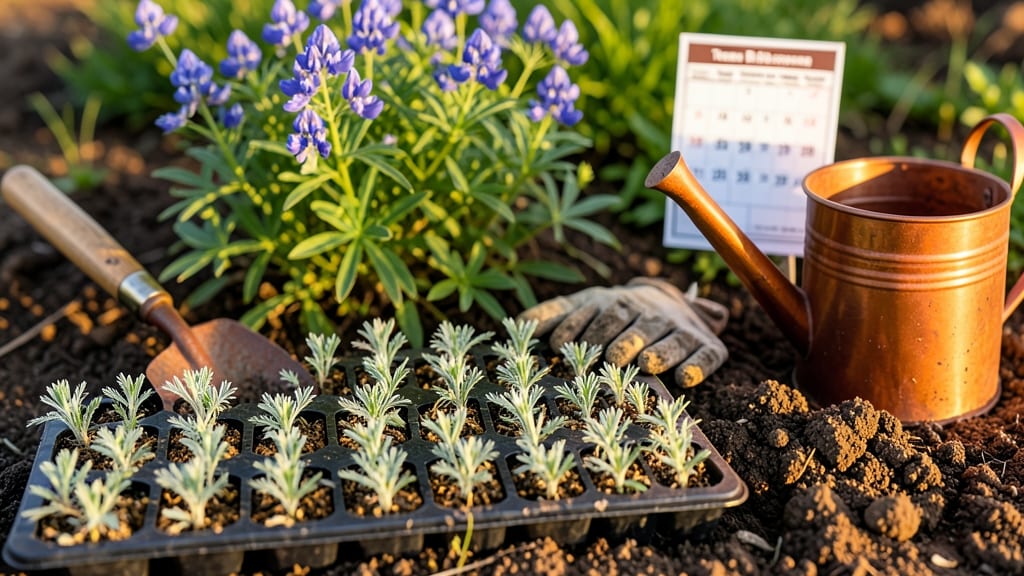
Planting a spring garden in Texas requires knowing the exact timing to avoid frost damage or scorching heat—your region’s first frost-free date is the key to success.
Texas gardeners know timing is everything—plant too early and face frost, too late and suffer scorching heat. But mastering the perfect window for spring planting can mean the difference between a thriving garden and a wilting disaster.
With three distinct climate zones—from the Panhandle’s chilly nights to the Rio Grande Valley’s early warmth—your planting schedule must match your microclimate. Get it wrong, and even heat-resistant varieties like Malabar spinach or Lantana can struggle.
Inside, I break down the exact dates by region, the 10 best heat-tolerant crops for Texas soil, and the three mistakes that ruin gardens every year—so you can plant with confidence and harvest like a pro.
Texas spring planting calendar: exact dates by region (north vs south vs west)
Texas spans 10 USDA hardiness zones from 7a in the Panhandle to 11 in the Rio Grande Valley, creating wildly different spring planting windows. In the Panhandle, gardeners must wait until mid-April for safe planting, while South Texas gardeners can start as early as late January.
These regional differences mean your neighbor’s success could be your garden’s downfall if you don’t adjust your timing.
Your last frost date is the golden rule—plant cool-season crops like lettuce and peas 4-6 weeks before your average last frost, while warm-season crops like tomatoes and peppers need soil temperatures above 60°F.
In North Texas, that means waiting until late March, but in East Texas, you can start warm crops by mid-February. Let’s break it down by region so you can plant with confidence.
Pro Tip: Use a soil thermometer ($10 at garden centers) to verify soil warmth—60°F+ for warm crops, 50°F+ for cool crops. Cold soil stunts growth, even if air temperatures seem mild. I’ve ruined tomato seedlings twice by planting too early—don’t make my mistake!
If you’re in the Rio Grande Valley, you can plant warm-season crops like okra and sweet potatoes as early as January, while Panhandle gardeners must wait until mid-April. This 3-month difference means your planting strategy should shift dramatically based on where you live.
For example, I planted tomatoes in early March in Austin last year—only to watch them bolt in the 98°F heat by April. Lesson learned: Wait until mid-March for tomatoes in Central Texas.
For cool-season crops like broccoli and kale, North Texas gardeners should aim for February 1–March 1, while South Texas can start as early as December 15. The key is to time your planting so harvests coincide with mild temperatures.
In Dallas, that means broccoli ready by April—just as summer’s heat arrives. Plant succession crops every 2 weeks to extend your harvest window.
Don’t overlook microclimates—your backyard might be 5–10°F warmer than official records. South-facing gardens heat up faster, while shaded areas stay cooler. I once grew lettuce in a shaded corner of my Austin garden through May when sun-exposed
10 Heat-resistant spring vegetables and flowers that thrive in Texas heat
When Texas heat arrives, most spring gardens wilt—but not with these 10 heat-resistant champions. I’ve grown these in my San Antonio garden through 100°F+ days, and they deliver. The secret? Choosing varieties bred for high-temperature tolerance and pairing them with smart companion plants to beat the heat.
Start with Malabar spinach and Black Seeded Simpson lettuce, which stay crisp even when daytime temps hit 95°F. For flowers, Lantana and Zinnias bloom nonstop, while Okra and Sweet Potatoes thrive in the intense sun.
These picks need minimal fuss once established—just deep watering and mulch to keep roots cool.
Here’s how they rank for heat tolerance, planting depth, and spacing, plus my top companion combos to maximize survival:
Malabar spinach is my go-to for shade gardens—it tolerates 95°F+ and grows 3-5 feet tall with minimal care. Plant seeds ½ inch deep and space them 12 inches apart. Pair it with basil to repel pests naturally. For flowers, Lantana blooms year-round in full sun; plant 18 inches apart and deadhead spent blooms to encourage more flowers.
Black Seeded Simpson lettuce stays crisp in heat if you shade it with row covers during peak afternoon sun. Sow seeds ¼ inch deep and thin to 6 inches apart. Plant near carrots to deter aphids. For vegetables, Okra thrives in 100°F+ heat—plant 1 inch deep and space 18-24 inches apart. Its pods grow 3-6 inches long in just 50-60 days.
Don’t overlook Sweet Potatoes for their drought tolerance—they grow well in poor soil and need only 6-8 hours of sun. Plant slips 1 inch deep and space them 12 inches apart.
Pair them with corn to improve soil fertility. For flowers, Zinnias bloom in 60-70 days and attract pollinators; plant ¼ inch deep and space 8-12 inches apart.
Pro tip: Use mulch to retain moisture—straw or wood chips work best. Water deeply in the morning to avoid fungal issues. With these heat-resistant picks, your Texas spring garden will stay lush even when temps soar.