
Planting
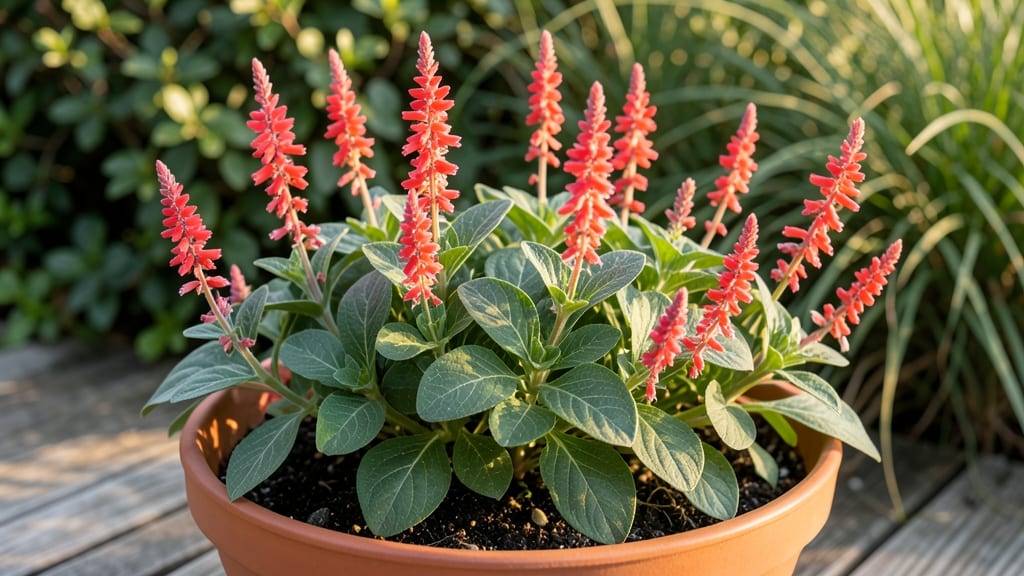
Understanding the Fort Worth gardening zone is essential for selecting plants that thrive in its USDA Hardiness Zones 7b to 8a, where winters dip to 5°F to 10°F (-15°C to -12°C). Local conditions like urban heat, elevation changes, and river proximity create distinct planting microclimates.
Fort Worth's gardening zone classification reflects both its broad regional climate and the microclimates created by urban development.
The 7b to 8a range means you can grow a wide variety of plants, from cold-hardy perennials to heat-tolerant shrubs, but success depends on understanding your specific location's conditions. 🌱 For example, areas near the Trinity River stay cooler in summer, while downtown experiences more intense heat waves.
This variation means what thrives in one neighborhood might struggle just a few miles away.
What makes Fort Worth unique is how these microclimates interact with soil types and water availability. The city's clay-heavy soils need amendments for proper drainage, while urban heat islands can push summer temperatures 5-10°F higher than rural areas.
These factors explain why some gardeners in West Fort Worth might plant in early spring while downtown residents wait until late April to avoid frost damage.
💡 In This Article
- USDA Hardiness Zones in Fort Worth: Exact Temperature Ranges and Plant Suitability
- Fort Worth Microclimates: Urban Heat Islands, Soil Types, and Water Availability
USDA hardiness zones in Fort Worth: exact temperature ranges and plant suitability
Fort Worth's USDA Hardiness Zones 7b and 8a are defined by their average annual minimum temperatures, which range from 5°F to 10°F (-15°C to -12°C) for Zone 7b and 10°F to 15°F (-12°C to -9°C) for Zone 8a. The transition between these zones occurs gradually across the city, influenced by elevation changes and urban development.
Zone 7b dominates the northern and western edges, where colder air settles in valleys, while Zone 8a prevails in the southern and eastern areas near the Trinity River, where water bodies moderate temperatures. 🌡️
The first average frost date in Fort Worth typically arrives around November 15th, with the last frost occurring around March 15th, though these dates can shift by 2-3 weeks depending on microclimates.
For gardeners, this means perennials like black-eyed Susans (Rudbeckia hirta) and Russian sage (Perovskia atriplicifolia) thrive in Zone 7b, while Zone 8a can support more tender plants like Mexican feather grass (Nassella tenuissima) or yucca plants (Yucca spp.) that might struggle in colder areas.
The heat zone classification (AHS Heat Zones 8-9) further refines plant selection, as summer temperatures often exceed 100°F (38°C) for extended periods.
Understanding these zones helps determine planting times and plant hardiness. For instance, cool-season vegetables like kale or broccoli can be sown as early as September in Zone 7b but may need to wait until October in Zone 8a to avoid heat stress.
Similarly, trees like redbud (Cercis canadensis) or crape myrtle (Lagerstroemia) are well-suited for both zones, but their growth rates vary based on local temperature fluctuations. The key is matching plant hardiness ratings (e.g., USDA Zone 7-10 labels) to your specific microclimate for optimal success. 🌿
Fort Worth’s summer heat—often 5-10°F warmer than surrounding rural areas—creates additional challenges. Plants like roses or hydrangeas may require afternoon shade in Zone 8a, while drought-tolerant species such as Texas sage (Leucophyllum frutescens) or desert willow (Chilopsis linearis) thrive with minimal watering.
The interplay between cold tolerance and heat resilience means gardeners must balance both seasonal extremes when selecting plants. For example, a Zone 7b perennial might survive winter but wilt in Zone 8a’s summer heat without proper care.
To navigate these variations, consult local nurseries or the Texas A&M AgriLife Extension Service, which provides detailed plant suitability maps. They often recommend amending soil with organic matter to improve drainage, especially in clay-heavy areas, and using mulch to regulate soil temperatures.
By aligning plant choices with your specific zone and microclimate, you can create a resilient garden that flourishes year-round. 🌱
For a quick reference, here are some standout plants for each zone:
- Zone 7b (colder areas): Dwarf yaupon holly (Ilex vomitoria 'Nana'), Texas mountain laurel (Sophora secundiflora), and winter honeysuckle (Lonicera fragrantissima) for cold hardiness.
- Zone 8a (warmer areas): Mexican petunia (Ruellia brittoniana), turk's cap (Malvaviscus arboreus), and agave (Agave spp.) for heat tolerance.