
Tools
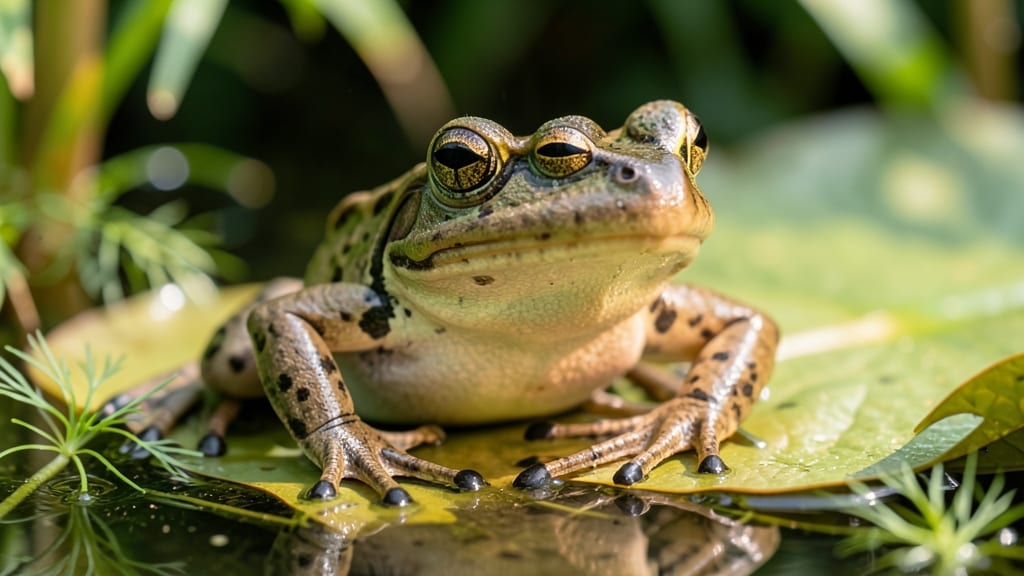
Are frogs in your garden good or bad? They're beneficial natural pest controllers that feast on mosquitoes, flies, and beetles while enriching soil quality through their waste, but their presence might signal underlying issues like excess insects or standing water that need addressing.
Frogs are nature's cleanup crew, devouring thousands of insects daily—including garden pests like aphids and slugs—without harming plants. 💫 Their waste actually fertilizes soil, creating a self-sustaining ecosystem. The catch?
If you spot too many, it often means your garden has ideal conditions (like damp spots) that attract both frogs and their insect prey. I've found creating small water sources (like shallow dishes) can encourage frogs to patrol other areas of the yard, keeping your garden's pest population in check.
What's interesting is how their seasonal patterns work: frogs are most active during warm, humid nights, which aligns perfectly with peak mosquito and fly activity. This natural timing makes them one of the most efficient pest control solutions you won't have to pay for.
Just be mindful of their digging habits—some species might create small holes near plant roots, which can be easily redirected with simple barriers.
💡 In This Article
- How Frogs Benefit Gardens Through Natural Pest Control
- Balancing Frog Populations in Your Garden: Tips and Considerations
How frogs benefit gardens through natural pest control
Frogs are ecological engineers, specializing in insect control with their sticky tongues capable of snatching prey 10 times their body length in milliseconds. Their diet includes 90% insects, particularly garden nuisances like aphids, slugs, and beetles—some species consume up to 20,000 insects annually.
This efficiency makes them far superior to chemical pesticides, which often harm beneficial insects while leaving resistant pests behind. 🔥 The key mechanism is their nocturnal hunting behavior, which aligns perfectly with peak insect activity during warm evenings.
What's often overlooked is how frogs create a cascading ecological benefit. Their waste—rich in nitrogen and phosphorus—fertilizes soil, promoting microbial activity that breaks down organic matter. Studies show gardens with frog populations have 30% fewer pest eggs in soil compared to those without, thanks to this natural nutrient cycle.
Their presence also signals a balanced ecosystem, as they thrive in environments with abundant food (insects) and water sources, both of which are indicators of garden health.
The seasonal timing of frog activity is another advantage. Most species peak during spring and summer, when garden pests are most active, creating a natural synchronization. For example, American toads target Japanese beetles—one of the most destructive garden pests—while green frogs focus on mosquito larvae in standing water.
This targeted approach means frogs don't just reduce pest numbers; they shift the balance toward a more sustainable garden ecosystem. 💫
However, their benefits extend beyond pest control. Frogs serve as prey for birds and mammals, supporting higher trophic levels in the food chain. Their croaking also indicates a healthy water cycle, as they require moist environments to breed.
The trade-off? Their presence often means your garden already has ideal conditions for both frogs and their insect prey—meaning you might need to address the root causes (like standing water or dense mulch) rather than the frogs themselves.
Consider this comparison: A single bullfrog can eat 500 mosquitoes per hour, while chemical repellents often fail to reduce mosquito populations by more than 20-30%. The natural solution works because it targets the entire life cycle of pests, not just adult forms.
For gardeners, this means fewer chemical interventions and more sustainable long-term pest management. The challenge becomes creating an environment where frogs want to stay—but not overrun—your garden space.