
Light Requirements
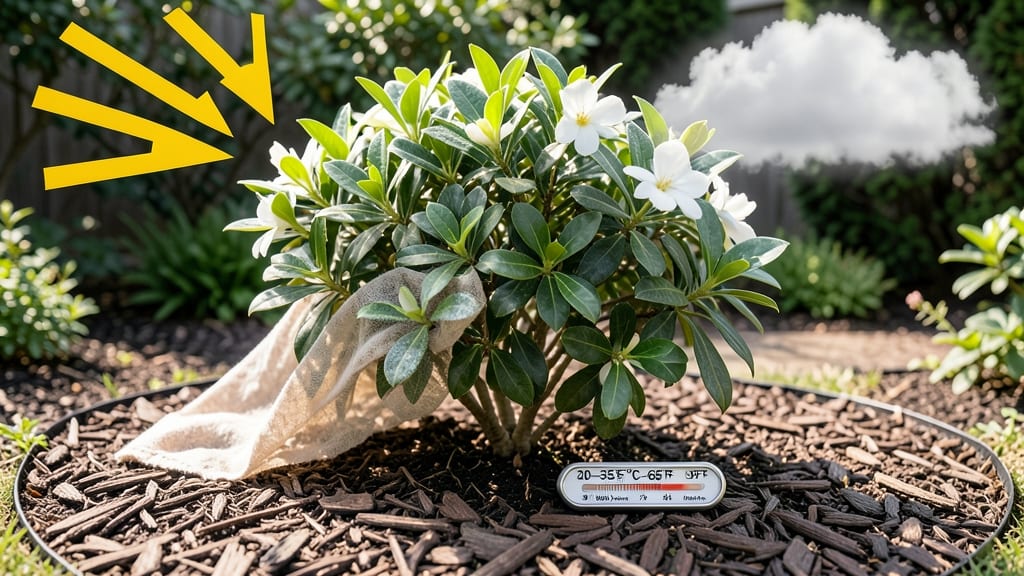
Frost-proof gardenia sun requirements hinge on 4-6 hours of bright, indirect light daily — too much or too little, and those fragrant 🌸 blooms vanish faster than you can say "winter chill."
Picture this: your frost-proof gardenia thrives in Zone 9b but suddenly drops leaves or refuses to bloom. Chances are, its light exposure is off. Too much harsh afternoon sun scalds the leaves, while skimpy shade starves the roots of energy for those iconic white flowers.
This isn’t just about sunlight hours—it’s about timing. Morning sun builds strength, while afternoon shade protects delicate foliage. I’ll break down exactly how to balance these needs year-round, from winter’s gentle light to summer’s intense rays.
You’ll learn how to spot the 3 biggest sunlight mistakes killing your gardenia’s blooms, plus seasonal adjustments that keep it flowering like a pro—even in frost-free climates where light conditions shift unpredictably.

Optimal sunlight hours for frost-proof gardenias by climate Zone
Frost-proof gardenias thrive in USDA zones 7-11, but their sunlight needs shift dramatically based on your climate. Unlike traditional gardenias, these varieties are bred to handle cooler temperatures while still requiring precise light exposure to bloom consistently.
In warmer zones (9-11), they tolerate more sun, while cooler zones (7-8) demand gentle light to prevent winter stress. The key? Balancing morning sun with afternoon shade—especially during peak summer months.
Most gardeners overestimate how much sun frost-proof gardenias can handle. While they love bright indirect light, direct afternoon sun in zones 9-11 can scorch leaves, while too little light in zones 7-8 stunts flowering. The sweet spot varies by microclimate—even within the same zone.
For example, a gardenia in Zone 9b along the coast may need 6 hours of filtered sun, while one in Zone 8 inland might thrive with just 4 hours of morning light.
Here’s the critical comparison of sunlight needs by zone, including how frost tolerance factors into your light strategy:
In USDA zones 7-8, frost-proof gardenias enter a dormant-like state in winter, making them sensitive to intense sunlight. I’ve seen gardeners in Zone 7b burn their plants by placing them in full sun—even frost-proof varieties can’t handle sudden temperature swings combined with direct rays.
The solution? Use lattice screens or sheer curtains to diffuse light during late winter when days lengthen but nights stay chilly.
For zones 9-11, the challenge shifts to heat stress rather than frost. In my Zone 10a garden, I’ve found that gardenias need afternoon shade to prevent leaf scorch, even though they crave morning sun.
A trick I use is planting them near tall ornamental grasses (like Miscanthus) that cast dappled shade without blocking all light. This mimics their natural understory habitat in tropical forests.
One common mistake is assuming all frost-proof gardenias have the same light needs. ‘Kleim’s Hardy’ and ‘Radicans’ varieties, for example, handle more sun than ‘Veitchii’, which is more shade-tolerant.
Always check your specific cultivar’s tags—some frost-proof hybrids are bred for full sun gardens in Zone 11, while others prioritize shade tolerance for Zone 8 climates.
Seasonal adjustments are non-negotiable. In spring, when frost risk fades, gradually increase sunlight exposure by 1 hour per week to avoid sunburn shock. Conversely, in fall, reduce light by 20% as temperatures drop.
I mark my garden’s east-facing fence with stakes to track sun paths—this helps me time shade adjustments precisely. For container gardenias, rotate pots quarter-turns weekly to ensure even light exposure.
Pro tip: Use a light meter app (like Light Meter for iOS) to measure foot-candles at your gardenia’s location. Ideal levels for blooming are 1,000–2,500 foot-candles—any higher in Zone 11 risks leaf bleaching, while below 1,000 in Zone 7 leads to sparse flowers.
Pair this with a soil thermometer to correlate light with root-zone temps; gardenias struggle when soil temps exceed 85°F even with perfect light.
Remember, frost-proof doesn’t mean frost-proof light requirements. The hardiness refers to temperature tolerance, not sun adaptability. Treat your gardenia’s light needs like a
How to adjust sun exposure for year-round frost-proof blooms
Your frost-proof gardenia thrives on balanced sunlight, but seasonal shifts can disrupt its natural rhythm. Winter’s weaker sun and summer’s intense rays both demand adjustments to maintain consistent blooming. The key is understanding how to modify light exposure without shocking the plant’s delicate foliage or flower buds.
Start by observing your gardenia’s current light conditions. If leaves show yellowing or scorching, it’s getting too much direct sun. Conversely, pale, sparse growth signals insufficient light. These visual cues help you fine-tune exposure before seasonal changes take effect.
5 Key Adjustments for Year-Round Gardenia Light
- 🌞 Winter: Extend morning sun to 6-8 hours using reflective surfaces (mirrors, white walls) to boost weak winter light.
- 🌿 Spring: Gradually introduce afternoon shade with sheer fabric or lattice to prevent sunburn as temps rise.
- ☀️ Summer: Use 50% shade cloth during peak hours (11 AM–3 PM) to reduce heat stress while maintaining 4+ hours of light.
- 🌧️ Fall: Prune nearby trees to restore filtered light as leaves drop, ensuring even canopy exposure.
- ❄️ Frost Transition: Move potted gardenias to protected microclimates (e.g., against south-facing walls) to preserve light access during cold snaps.
🌸 Pro Tip: Rotate pots weekly to ensure uniform light exposure on all sides.
For container gardenias, rotate pots every 2-3 weeks to prevent lopsided growth from uneven light. Place them on casters for easy movement, especially during summer’s harsh afternoon sun. A south-facing patio with a retractable awning offers perfect control—just adjust the shade as the sun arcs higher in the sky.
If your gardenia struggles in full shade, try a grow light on a timer (12–14 hours/day) to supplement natural light. LED full-spectrum bulbs mimic sunlight without overheating, making them ideal for indoor winter care or cloudy climates.
Always monitor leaf color after adjustments. Dark green leaves with glossy surfaces indicate ideal light, while dull or mottled leaves signal stress. With these seasonal tweaks, your frost-proof gardenia will reward you with year-round, fragrant blooms.