
Tools
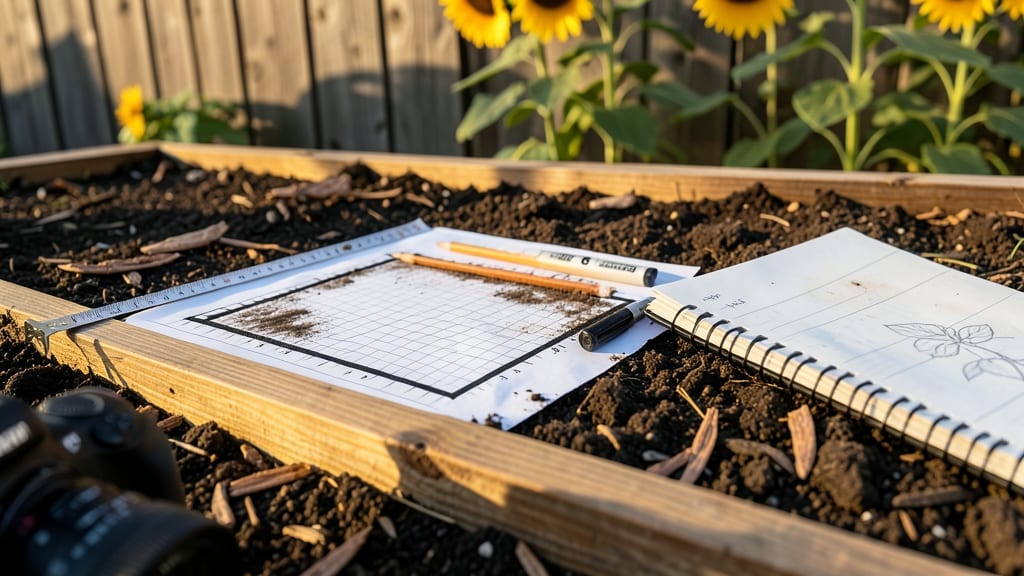
Garden bed measurements should prioritize 4-foot widths for easy reach, with lengths tailored to space and plant types—typically 8 to 12 feet for vegetables, while herbs and flowers thrive in smaller 2x4-foot beds. Depth of 6 to 12 inches ensures proper root growth and drainage.
Getting your garden bed dimensions right makes all the difference in how well your plants grow.
A 4-foot width lets you comfortably reach the center without stepping on the soil, which helps prevent compaction and keeps weeds down. 🌱 For vegetables like tomatoes or peppers, longer beds (8-12 feet) maximize space efficiency, while compact herbs and flowers can thrive in smaller plots.
The depth matters too—shallow beds (6 inches) work for shallow-rooted plants, but deeper beds (12 inches) give root crops like carrots or potatoes the room they need to develop fully.
Another key factor is how you arrange your beds. Raised beds with these dimensions often warm up faster in spring, giving you a longer growing season. In-ground beds, on the other hand, require careful planning to avoid soil depletion, especially if you're growing heavy feeders like corn or squash.
I always recommend starting with a sketch of your space—this helps visualize how different plants will interact and how much room you’ll actually have for walking between beds.
💡 In This Article
- Why Garden Bed Dimensions Matter for Plant Growth
- Customizing Garden Bed Sizes by Plant Type
Why garden bed dimensions matter for plant growth
The 4-foot width rule isn't arbitrary—it's based on human reach and ergonomics. When you stand at the edge of a bed, your arm can comfortably extend 2 feet outward, meaning a 4-foot width lets you tend to the center without stepping on the soil.
This prevents soil compaction, which restricts root growth and reduces water infiltration. 🌱 Compacted soil also creates anaerobic pockets where roots suffocate, leading to stunted plants. Studies show that soil in walked-upon areas can lose up to 30% of its porosity, directly impacting nutrient absorption.
Depth plays a crucial role in root development. Shallow beds (6 inches) work well for herbs like basil or thyme, whose roots rarely exceed 12 inches.
However, deeper beds (12 inches) are essential for root vegetables like carrots or potatoes, which need space to grow downward without crowding. The extra depth also improves drainage—critical for preventing rot in heavy clay soils.
In raised beds, this depth creates a thermal buffer that warms up faster in spring, giving plants a 2-3 week head start compared to in-ground planting.
Length affects sunlight exposure and airflow. Longer beds (8-12 feet) maximize space efficiency for row crops like beans or lettuce, but they require careful planning to ensure all plants receive 6-8 hours of direct sunlight.
Shorter beds (4 feet) work better for border plants or container gardens where you want to create visual layers.
Airflow is another factor—taller plants like tomatoes need 18-24 inches of spacing to prevent fungal diseases caused by poor circulation, while compact plants like radishes can thrive in 2-inch rows.
Raised vs. in-ground beds also influence dimensions. Raised beds with 12-inch depth allow you to use a mix of topsoil, compost, and sand for optimal drainage, while in-ground beds rely on native soil quality. The key difference?
Raised beds warm up faster in spring due to reduced heat absorption by surrounding soil, which is why many gardeners in cooler climates prefer them for early planting. For in-ground beds, consider dividing large plots into 4x8-foot sections to improve accessibility and reduce soil fatigue from repeated tilling.
Weed control is another dimension (pun intended) where size matters. Wider beds create more surface area for weeds to take root, while narrower beds (3 feet) make weeding faster and more efficient.
Mulching with straw or wood chips in wider beds can help suppress weeds, but you'll need to replenish it more frequently. The 4-foot width strikes a balance—wide enough for productivity, narrow enough for manageable weeding. 🌿
Finally, consider how your bed dimensions interact with your garden layout. Beds placed in a grid pattern with 18-inch walkways between them allow for easy access with a wheelbarrow or hose.
If space is limited, like in urban gardens, you might opt for 2x4-foot raised beds arranged in a U-shape around a central path. This maximizes growing area while keeping everything within arm's reach.
Think of your garden bed dimensions as a puzzle—each piece (width, length, depth) affects how the whole system functions. The right measurements ensure your plants get the space, sunlight, and airflow they need to thrive, while making your gardening tasks easier and more enjoyable. 🌱