
Tools
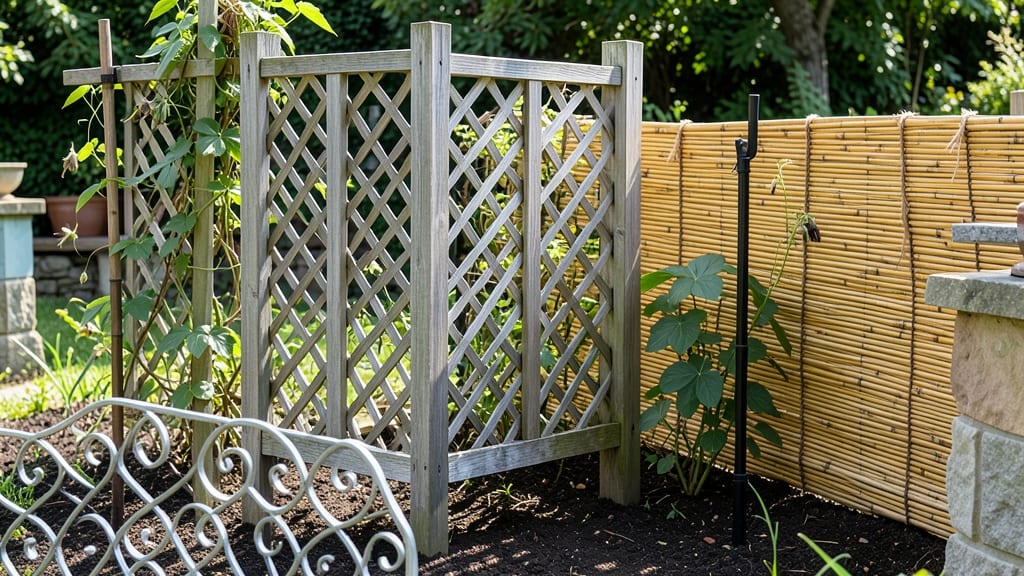
Creating effective garden enclosure plans requires balancing height (3–6 feet for privacy, 1–2 feet for low barriers), durable materials like cedar or metal for longevity, and weather-resistant finishes to balance cost and functionality. Your design should also align with garden size and specific needs—whether protecting vegetables, containing pets, or adding aesthetic appeal.
When planning your garden enclosure, think about how each element works together. Height isn't just about privacy—it also affects airflow and sunlight exposure for your plants.
For example, a 4-foot lattice fence lets in light while keeping out pests, while a solid 6-foot panel creates a cozy, shaded space. Material choice matters just as much: cedar resists rot but needs sealing, while metal offers durability but may require painting to prevent rust. 🌿 I've found that combining materials—like stone bases with wood panels—extends the enclosure's lifespan while keeping costs reasonable.
Don't overlook the practical aspects either. Anchoring is crucial for wind-prone areas, and proper drainage prevents water damage at the base. For vegetable gardens, consider removable panels that allow easy access for harvesting. The key is matching your design to both your garden's needs and your long-term maintenance comfort level.
💡 In This Article
- How to Choose Garden Enclosure Materials by Climate and Purpose
- Step-by-Step DIY Garden Enclosure Build Guide
How to choose garden enclosure materials by climate and purpose
Material selection is where your enclosure's longevity and performance begin. Cedar stands out for its natural rot resistance due to high tannin content, making it ideal for humid climates where moisture would otherwise degrade wood.
A 6-foot cedar fence can last 15-20 years with proper sealing, while treated pine offers a more budget-friendly alternative at about 50% the cost but requires resealing every 2-3 years.
Metal options like galvanized steel provide unmatched durability in windy areas, though they conduct heat—creating microclimates that may stress heat-sensitive plants like lettuce.
The enclosure's height directly impacts its function. For vegetable gardens, a 3-4 foot lattice design allows 70-80% sunlight penetration while blocking rabbits, while a 6-foot solid panel creates complete shade for delicate herbs.
In coastal regions, metal or vinyl materials resist salt corrosion better than wood, which swells and cracks when exposed to high humidity and salt spray. The trade-off? Vinyl enclosures cost 2-3x more upfront but require zero maintenance beyond occasional cleaning.
Consider your climate's extremes when choosing finishes. In hot, dry areas, painted metal enclosures reflect sunlight, keeping soil temperatures 10-15°F cooler than unprotected beds. For wet climates, pressure-treated lumber with copper azole preservatives prevents fungal growth that turns wood to mush within 3-5 years.
The key is matching your material to both your climate's challenges and your plants' specific needs—like protecting tomatoes from wind but allowing airflow to prevent blight.
Design elements like panel spacing create functional differences. A 2-inch gap lattice lets beneficial pollinators through while blocking deer, while solid panels with 1-inch ventilation holes work for container gardens.
For pet enclosures, chain-link fencing with 2-inch mesh prevents small dogs from slipping through but requires regular tensioning to maintain its 4-foot height integrity against digging attempts.
Budget-conscious builders often combine materials for optimal results. A stone base with wood panels elevates the structure 6 inches above ground, preventing rot while adding aesthetic appeal. The stone base costs $15-$25 per square foot but eliminates wood decay at the critical soil line.
For tropical gardens, bamboo—though not as durable as cedar—offers a sustainable, lightweight option that resists termites naturally but may need replacing every 5-7 years.
Don't overlook the importance of hardware in material longevity. Galvanized screws prevent rust in metal frames, while stainless steel fasteners in wood enclosures resist corrosion from acidic rain.
The right hardware can extend your enclosure's life by 30-50%, making it a worthwhile investment beyond just the panels themselves. 🌿