
Planting
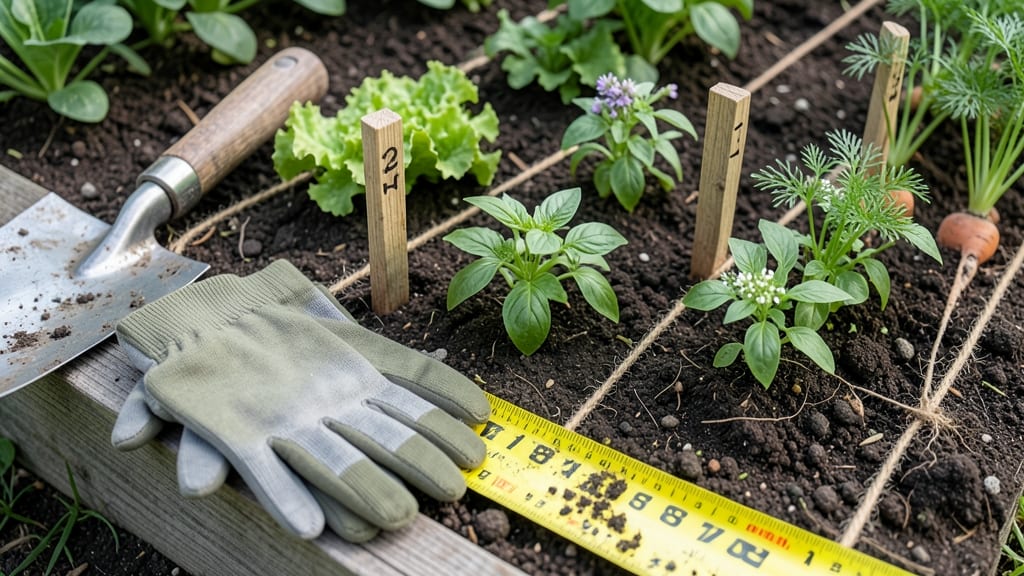
Proper garden row spacing prevents plant competition for sunlight, water, and nutrients, directly impacting growth and yield. Leafy greens thrive in 4–12 inches between rows, while larger plants like tomatoes or corn need 18–36 inches for airflow and root development.
This spacing strategy isn't just about fitting more plants—it's about creating an ecosystem where each variety gets what it needs. 🌱 For instance, compact herbs like basil or thyme can share rows just 6 inches apart, while sprawling crops like zucchini need 36 inches to prevent disease and maximize fruit production.
I've found that adjusting spacing for container gardens (often tighter) or raised beds (sometimes wider) makes a surprising difference in overall plant health and harvest size.
What many gardeners overlook is how spacing affects soil health too. Tight rows can lead to fungal issues from poor airflow, while over-spaced rows waste garden real estate. The key is matching your plant's mature size to its growing conditions—cool-season crops often need slightly less space than their warm-season counterparts.
💡 In This Article
- How Plant Type Determines Optimal Row Spacing
- Row Spacing Charts for 12 High-Yield Vegetables and Herbs
How plant type determines optimal row spacing
Row spacing isn't one-size-fits-all because it's directly tied to a plant's growth habit and resource needs. Leafy greens like lettuce or spinach grow close to the ground with shallow roots, so they thrive in tight rows (4-6 inches) where they can intercept maximum sunlight.
Their broad leaves create a dense canopy that blocks weeds naturally, while their shallow roots compete minimally for nutrients. In contrast, deep-rooted crops like carrots or parsnips need wider rows (12-18 inches) to prevent root crowding that leads to stunted growth or deformed produce.
The science behind this comes down to three key factors: canopy competition, root zone expansion, and airflow requirements. Tall, vertical plants like tomatoes or corn create their own microclimate where lower leaves stay shaded, reducing photosynthesis and increasing disease risk from trapped moisture.
That's why they need 18-36 inches between rows—enough space for sunlight to reach all foliage while allowing air circulation that prevents fungal infections like powdery mildew. 🌿 Even within the same plant family, spacing varies dramatically: bush beans can manage 6 inches apart, while pole beans need 12 inches to support their climbing growth.
Root depth plays a surprising role too. Plants with deep taproots (like beets or radishes) need wider spacing to avoid root competition that steals water and nutrients from neighboring plants.
I've noticed this most clearly with radishes—when planted too closely, they'll grow long, spindly roots trying to escape competition, while properly spaced radishes develop plump, rounded shapes. The same principle applies to soil nutrients: wider rows allow roots to access more soil volume, reducing nutrient depletion in high-density plantings.
Don't overlook how plant architecture affects spacing needs. Sprawling vines like cucumbers or zucchini require generous row spacing (24-36 inches) to prevent disease spread through foliage contact, while compact herbs like basil or chives can share rows just 6 inches apart.
The key is visualizing each plant's mature size—imagine a tomato plant reaching 5 feet tall with branches extending 3 feet wide, and you'll understand why cramming them into tight rows leads to crowded, disease-prone conditions. Even within the same species, dwarf varieties need less space than standard types.
Seasonal growth patterns also influence optimal spacing. Cool-season crops like broccoli or cabbage grow more slowly and can handle slightly tighter spacing (12-18 inches) because they develop their harvestable parts before reaching full size.
Warm-season crops like peppers or eggplants, however, continue growing vigorously once established, so they need 18-24 inches between rows to accommodate their rapid expansion. This seasonal adjustment explains why spring plantings often feel more crowded than summer ones—plants are simply growing at different rates.
What most gardeners miss is how spacing affects harvest efficiency. Tight rows make it harder to reach plants for weeding or harvesting, increasing soil compaction from foot traffic. Wider rows create walkways that keep soil loose and accessible, while also allowing tools to reach between plants without damaging foliage.
I've found that proper spacing can actually increase yield per square foot by reducing stress on individual plants—healthy, uncrowded plants produce more and larger harvests than stressed, competing ones. 🌱