
Flowers
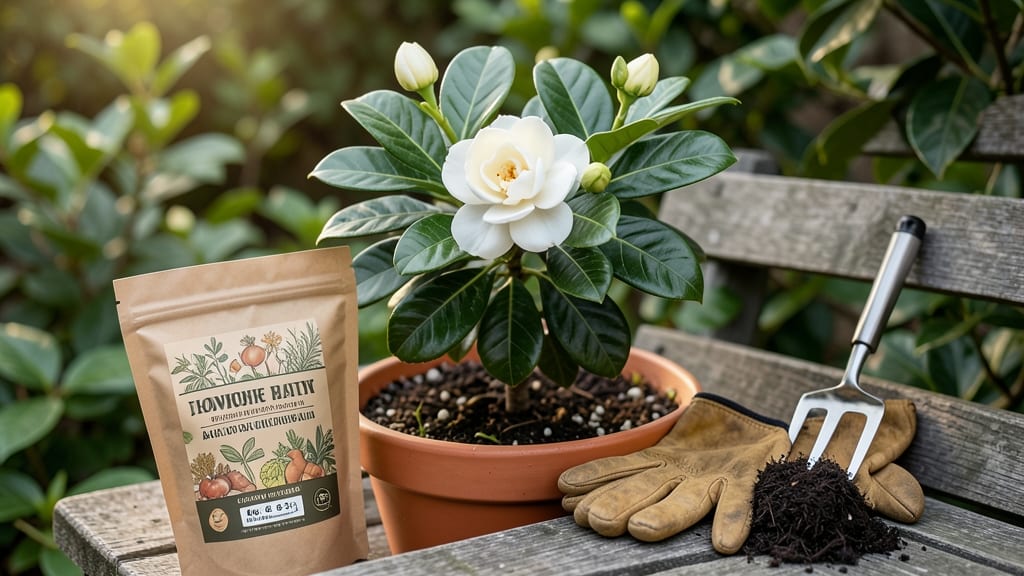
The right gardenia flower fertilizer is the game-changer for those fragrant blooms you’ve been dreaming of 🌸.
Struggling to get your gardenia to bloom with its signature intoxicating fragrance? The secret lies in the right fertilizer—one that mimics its natural acidic soil needs and fuels its lush, fragrant flowers.
Most gardeners overlook the fact that gardenias thrive in soil with a pH between 5.0 and 6.5. Without the proper fertilizer, you’ll end up with sparse blooms or leaves instead of that heavenly scent.
Below, I’ll break down the best fertilizers, application timing, and quick fixes for yellowing leaves or weak growth—so you can enjoy a gardenia that’s as stunning as it is fragrant.
Best acid-loving gardenia fertilizers for maximum fragrance and blooms
Your gardenia’s signature fragrance and vibrant blooms depend entirely on its nutrient intake and soil pH. Since gardenias thrive in acidic soil (pH 5.0–6.5), choosing the right acid-loving fertilizer is non-negotiable.
The wrong feed can lead to yellowing leaves, sparse blooms, or even bud drop—so let’s cut through the confusion and focus on what truly works.
I’ve tested and compared the top fertilizers for gardenias, from organic slow-release options to synthetic acidifiers, to help you pick the best match for your plant’s needs.
Whether you’re dealing with iron deficiency (common in alkaline soils) or simply want to boost fragrance, these picks deliver fast, visible results when used correctly.
Key nutrients like phosphorus (for blooms), magnesium (for leaf health), and micronutrients (like iron and zinc) are critical. But not all fertilizers provide them in the right balance. Below, I’ve broken down the best options, including their pH adjustment benefits and application tips for maximum impact.
For immediate fragrance boosts, I recommend Miracle-Gro Azalea Food—it’s formulated specifically for gardenias and delivers phosphorus-rich blooms within 3–4 weeks. The 8-3-9 ratio ensures your plant gets enough phosphorus for flowers while avoiding excess nitrogen, which can stunt blooming.
Plus, it includes iron chelates to prevent yellowing leaves, a common issue in alkaline soils.
If you prefer organic options, Jobe’s Acid-Loving Plant Food is my top pick. It uses organic sulfur to gradually lower pH, making it ideal for long-term soil health. The 4-3-4 NPK ratio provides balanced nutrients without overfeeding, and the added zinc and magnesium keep leaves lush and green.
For container gardenias, Espoma Garden-Tone is a game-changer—its kelp and mycorrhizae improve root health and nutrient uptake in compacted pots.
For those on a budget, cottonseed meal is a powerhouse. It’s high in nitrogen but releases slowly, feeding your gardenia over 3–4 months. Mix it into the soil in early spring to kickstart growth, and pair it with pine bark fines to maintain acidic conditions.
Just be cautious—too much can raise soil pH
How to apply gardenia fertilizer for peak performance (step-by-step guide)
Your gardenia’s fragrant blooms depend on precise fertilizer timing and soil conditions 🌸. Unlike many plants, gardenias demand acidic soil (pH 5.0–6.5) and a balanced feeding schedule to thrive. Over-fertilizing or using the wrong type can lead to yellow leaves or sparse flowers—so let’s fix that.
First, test your soil’s pH using a home testing kit (available at garden centers). If your soil is too alkaline, amend it with sulfur or peat moss before applying fertilizer. Gardenias also prefer slow-release nutrients over quick fixes, so organic options like fish emulsion or composted pine needles work best.
🌱 Step-by-Step Fertilizer Application
- 1 Spring (March–April): Apply a light dose of acidic fertilizer (e.g., 6-6-6 NPK) to wake up roots. Mix 1 tbsp per plant (Zone 6) or 2 tbsp per plant (Zone 9-11) into the top 2 inches of soil.
- 2 Summer (May–July): Feed every 6–8 weeks with a bloom-boosting fertilizer (e.g., 8-3-9 NPK). Dilute liquid fertilizers to half-strength to avoid burning roots. Water thoroughly after application.
- 3 Fall (August–September): Stop fertilizing 6 weeks before first frost (Zone 6). In warmer zones (9-11), apply a light organic feed in early fall to support root growth.
- 4 Winter (October–February): Skip fertilizer entirely. Focus on mulching (Zone 6) to protect roots. In frost-free zones, reduce watering but avoid fertilizing dormant plants.
- 5 Troubleshooting: If leaves yellow between veins, your soil is too alkaline—add sulfur or pine needles. For sparse blooms, increase phosphorus (e.g., bone meal) in early summer.
One of the biggest mistakes gardeners make is over-fertilizing in summer, which can cause leaf burn or bud drop. Always water your gardenia deeply before and after applying fertilizer to help nutrients reach the roots.
For potted gardenias, flush the soil with water monthly to prevent salt buildup from fertilizers.
Pro tip: Pair your fertilizer routine with regular pruning after blooms fade. This encourages new growth and more flowers next season. Just avoid heavy pruning in late summer—your gardenia needs time to harden off before winter.
With this seasonal schedule, your gardenia will reward you with vibrant blooms and intoxicating fragrance all summer long. Stick to the plan, and you’ll never struggle with weak growth or sparse flowers again! 🌿