Planting
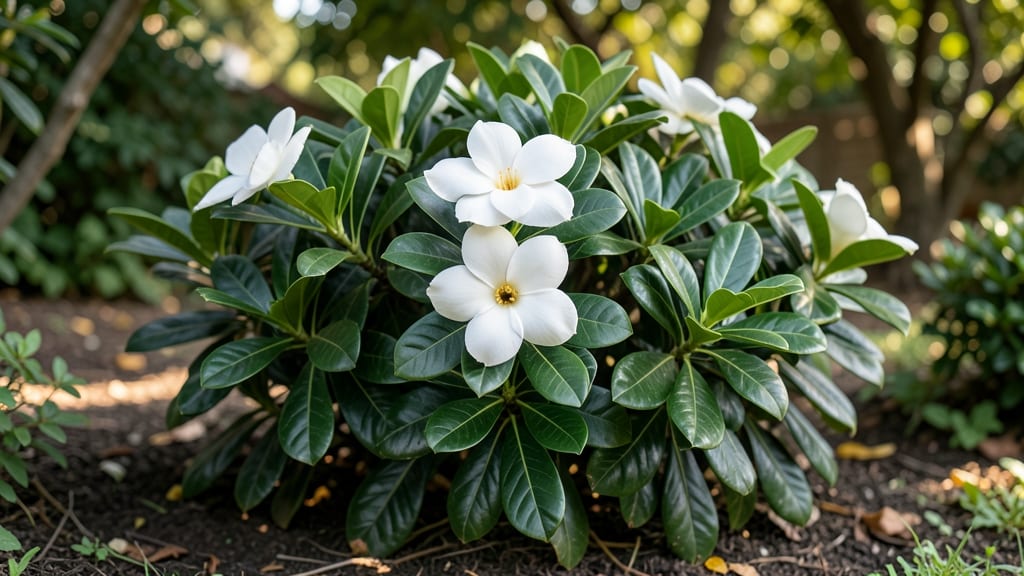
The gardenia plant size at maturity typically reaches 4 to 6 feet tall, with a spread of 3 to 5 feet—enough to make a statement in your garden or patio without taking over.
If you’ve ever dreamed of fragrant white blooms but worry about gardenias outgrowing their space, you’re not alone—these tropical beauties grow surprisingly fast when given the right care.
Understanding their growth habits is key to planting them successfully, whether you’re working with a small balcony container or a spacious backyard bed.
Below, I’ll cover how to space them for airflow, when to prune for healthier blooms, and how different varieties compare in size—so you can enjoy their intoxicating scent without the overgrowth headaches.

Gardenia plant size by variety: how big will yours grow?
Gardenia plants (Gardenia jasminoides) are prized for their intense fragrance and glossy foliage, but their size can vary dramatically depending on the variety. If you're planning your garden layout, knowing these dimensions will help you avoid overcrowding and ensure your gardenia thrives.
Most varieties grow as shrubs with rounded shapes, but some can reach small tree proportions with proper care.
The most common gardenia, Gardenia jasminoides, typically matures between 4 to 6 feet tall and 3 to 5 feet wide. However, this isn't a one-size-fits-all rule—some varieties stay compact, while others stretch taller.
Dwarf varieties can fit in small containers, while standard types need ample garden space. Understanding these differences will help you choose the perfect gardenia for your landscape.
| Variety | Mature Height | Mature Spread | Growth Rate | Best For |
|---|---|---|---|---|
| Gardenia jasminoides (Standard) | 4–6 ft | 3–5 ft | Moderate (1–2 ft/year) | Garden beds, hedges |
| Gardenia augusta (Dwarf) | 1–2 ft | 1–2 ft | Slow (6–12 in/year) | Containers, small gardens |
| Gardenia radicans (Creeper) | 1–3 ft | 3–6 ft (trailing) | Moderate (spreading habit) | Hanging baskets, slopes |
| Gardenia 'Kleim's Hardy' (Cold-Hardy) | 3–5 ft | 2–4 ft | Slow to moderate | Northern climates, borders |
| Gardenia 'Veitchii' (Large-Flowered) | 4–6 ft | 3–5 ft | Slow (1 ft/year) | Specimen plants, focal points |
For example, the standard gardenia (Gardenia jasminoides) is perfect for garden beds where it can spread out, while the dwarf varieties like Gardenia augusta are ideal for patios or balconies. The trailing habit of Gardenia radicans makes it a stunning choice for hanging baskets or cascading over slopes.
Always check the specific variety's growth rate—some, like Gardenia 'Veitchii', grow slower but produce larger, more fragrant blooms.
Growth rates also play a role in planning. Most gardenias grow 1 to 2 feet per year under ideal conditions, but this can slow down in cooler climates.
If you're in a warmer USDA Zone 8–10, expect faster growth, while gardeners in Zone 6 or 7 may need to protect their plants in winter. Cold-hardy varieties like Gardenia 'Kleim's Hardy' are excellent for cooler regions, as they tolerate temperatures down to 10°F with proper mulching.
When choosing a gardenia, consider not just its mature size but also its spread potential. A standard gardenia planted 3 feet apart will give it room to grow without crowding nearby plants.
If you're using them in containers, opt for dwarf varieties and ensure the pot is at least 12–18 inches wide to accommodate their root systems. Root-bound gardenias often show signs of stress, like yellowing leaves or fewer blooms, so plan ahead for their long-term needs.
Pruning is another key factor in managing gardenia size. Regular pruning after flowering helps maintain shape and encourages denser growth. For larger varieties, prune in late winter or early spring to remove dead or overcrowded branches.
Dwarf varieties may only need light trimming to shape them, but avoid cutting into old wood, as gardenias struggle to regrow from mature wood. Always use sterilized pruners to prevent disease spread.
If you're growing gardenias in containers, their size will naturally be more controlled, but they still need space. A 5-gallon pot is suitable for dwarf varieties, while standard gardenias may need 15–20 gallons to thrive.
Container gardenias also require more frequent watering and fertilizer since their roots have less access to nutrients. Use a well-draining potting mix with added peat moss to maintain the acidic soil they prefer.
One common mistake is underestimating how much space gardenias need as they mature. A 4-foot-tall gardenia planted too close to a fence or patio will quickly outgrow its space, leading to stunted growth or poor flowering.
Always measure your gardenia's mature spread and height before planting, and leave extra room for airflow—this reduces the risk of fungal diseases like powdery mildew,
How to space gardenias for optimal growth and airflow
Proper gardenia spacing is crucial for preventing fungal diseases and ensuring abundant blooms. These tropical shrubs thrive when given room to breathe—literally! Their dense foliage and shallow root systems demand 3 to 5 feet of space between plants in garden beds to allow air circulation and reduce humidity buildup.
In containers, gardenias need even more attention to spacing since roots can’t spread freely. A single plant in a 15- to 20-gallon pot is ideal, but if you’re growing multiple, space them 12 to 18 inches apart to avoid competition.
Overcrowding leads to yellowing leaves and fewer flowers—something no gardener wants!
For hedge planting, maintain a 2- to 3-foot spacing between each plant to create a lush, fragrant barrier. This spacing allows for pruning flexibility while ensuring the hedge fills in evenly over time.
Remember, gardenias grow 3 to 6 inches per year, so plan ahead for their mature size.
When planting gardenias in ground beds, dig a hole twice as wide as the root ball but no deeper. This encourages root expansion and reduces transplant shock. Amend the soil with peat moss or compost to improve drainage and acidity—gardenias hate alkaline soil!
Proper spacing also affects flowering frequency. Overcrowded plants divert energy to leaf growth instead of blooms. Aim for 4 to 6 feet of clearance around each plant to maximize those fragrant white flowers that gardenias are famous for. A little extra space now means more blooms later!
Finally, don’t forget to prune regularly to maintain shape and airflow. Trim back overgrown branches in late winter or early spring before new growth begins. This keeps your gardenia healthy, compact, and blooming beautifully all season long. 🌸