Pruning
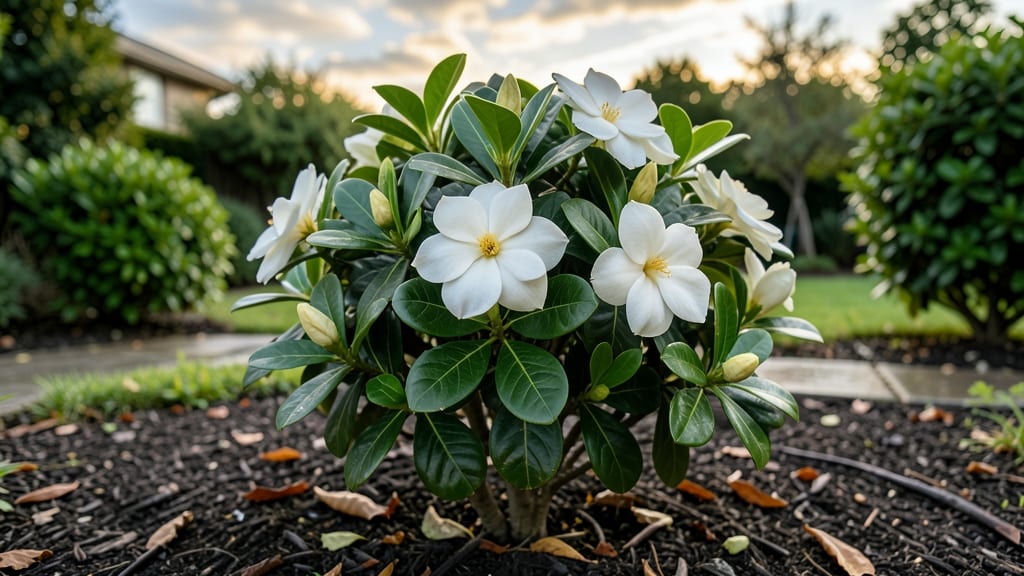
A gardenia tree grows to a mature size of 6 to 15 feet tall, depending on the variety and growing conditions—so planning your space is everything before you plant.
If you’re dreaming of fragrant white blooms but worried about whether a gardenia tree will overwhelm your yard, understanding its mature size and growth habits is key to planting success. This isn’t just about aesthetics; proper spacing ensures better airflow, fewer pests, and more abundant flowers.
Most gardenia trees reach half their mature height within three years, but their width can spread 5 to 10 feet over time. Dwarf varieties stay compact at 3 to 5 feet, making them perfect for small yards or containers, while standard types need room to stretch.
In this guide, I’ll break down how to choose the right size for your space, the best spacing for healthy growth, and simple pruning tips to keep your gardenia tree in check—without sacrificing those intoxicating blooms.

How tall and wide does a mature gardenia tree grow?
When planning your garden, knowing the mature size of a gardenia tree is essential to avoid overcrowding or underutilizing space. These fragrant beauties vary significantly by variety, with some reaching towering heights while others stay compact. Understanding their growth patterns helps you choose the perfect spot for their full-sun glory.
A common gardenia tree typically matures between 6 to 15 feet tall, with a spread of 6 to 10 feet wide. However, growth rates depend heavily on sunlight, soil quality, and variety.
In full-sun conditions, gardenias grow faster and may exceed these averages, while partial shade slows their expansion.
Cape Jasmine (Gardenia jasminoides), the most popular variety, usually tops out at 8 to 12 feet tall and 6 to 8 feet wide. This variety thrives in warm climates and produces abundant, highly fragrant white blooms. Meanwhile, dwarf varieties like 'Radicans' stay between 3 to 5 feet tall, making them ideal for smaller yards or containers.
Here’s a quick reference for gardenia tree sizes based on variety and growing conditions:
In full-sun conditions, gardenias grow 1 to 2 feet annually during their first few years, with slower growth as they mature.
For example, a Cape Jasmine planted in a sunny spot may reach 6 feet tall in just 3 years, while the same plant in partial shade could take 5 years to reach half that height. This variance is why choosing the right location is critical.
If you’re planting near a fence or wall, account for the 6 to 10-foot spread of mature gardenias. Their wide canopies create shade, which can suppress nearby plants.
For instance, planting a Fortuniana too close to a patio may leave the area too dark for other sun-loving plants like roses or lavender.
For container gardening, opt for dwarf varieties like 'Radicans' or 'Augusta'. These stay under 5 feet tall and thrive in 15-gallon pots with proper drainage. In containers, growth slows slightly due to root restriction, but they still produce abundant blooms when given 6+ hours of sunlight daily.
To visualize size, imagine a standard gardenia tree reaching the height of a mailbox post (6–8 feet) but with a width similar to a small car (6–8 feet across).
This helps when planning landscapes or urban gardens where space is limited. Always measure your planting area before selecting a variety to avoid future pruning headaches.
Pro tip: If you love the fragrance but want a smaller footprint, consider pruning young gardenias to encourage bushier growth. Regular pruning can reduce height by 20–30% while increasing flower production. Just avoid heavy pruning in late summer, as this can delay next year’s blooms.
🌸
Optimal spacing and planting distance for gardenia trees
Proper spacing is the foundation of a thriving gardenia tree. When planted too closely, your gardenia will compete for nutrients, suffer from poor airflow, and become more susceptible to fungal diseases like powdery mildew.
The key is balancing root spread and canopy growth—both critical for those signature white blooms.
For in-ground planting, standard gardenia varieties need 8 to 12 feet between plants to reach their full potential. This spacing accounts for their mature width of 5 to 10 feet and ensures branches don’t rub against each other, which can damage bark and invite pests.
Dwarf varieties, on the other hand, can handle 4 to 6 feet of space, making them ideal for small gardens or foundation plantings.
Container gardening changes the game entirely. Gardenias thrive in pots, but you’ll need large containers (18–24 inches in diameter) to accommodate their root systems. Smaller pots restrict growth and reduce blooming potential. I’ve had success with fabric grow bags—they improve drainage while keeping roots cool, which gardenias love.
One common mistake is ignoring the root flare when planting. Always position the gardenia so the roots sit just above soil level. Burying the flare can strangle the plant, leading to stunted growth or even death. After planting, water deeply to encourage root expansion into the surrounding soil.
For maximum blooms, pair your gardenia with companion plants like dwarf citrus or hydrangeas. These plants share similar care needs but won’t compete for space. Just avoid planting near walnut trees, whose roots release juglone—a toxin that inhibits gardenia growth.
Remember, gardenias grow slowly in their first year but accelerate in years 2–3. Plan accordingly, and your fragrant garden will reward you with season-long blooms from spring to fall. 🌸