How To
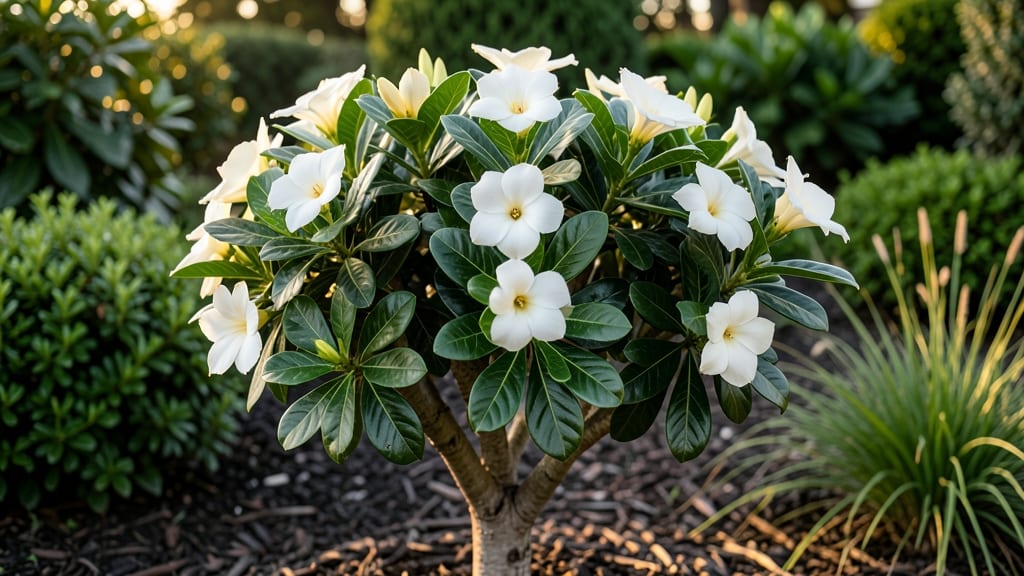
A gardenia tree grows between 6 and 15 feet tall at maturity, depending on the variety and growing conditions 🌸 — enough to shade a patio but not block a skyline.
If you're dreaming of fragrant gardenias but worry about them towering over your patio or garden, you're not alone. Many gardeners struggle with controlling their gardenia tree's height naturally, especially when planting near walkways or small yards.
The good news? With the right pruning and care, you can guide their growth to fit your space perfectly.
Understanding the height range of different varieties is the first step. Dwarf gardenias stay compact at 3 to 5 feet, while standard types can reach 10 to 15 feet if left unchecked.
Even the tallest varieties, though, can be managed with smart pruning techniques that encourage bushier growth rather than vertical spikes.
In this guide, I’ll break down how to control your gardenia tree’s height naturally, from seasonal pruning tips to soil and sunlight adjustments that keep them lush without letting them take over.
You’ll also learn how to visualize their mature size compared to everyday objects, so you can plan your garden layout with confidence.

Natural height range of gardenia trees: what to expect by variety
If you've ever admired the intoxicating fragrance of gardenias but hesitated to grow them because of their reputation for size, you're not alone. Gardenias can range dramatically in height depending on the variety, and understanding these differences is key to planning your garden layout.
Whether you're dreaming of a compact gardenia bush for your patio or a tall specimen tree for your backyard, knowing what to expect will help you choose the perfect plant for your space.
Most gardenias belong to the Gardenia jasminoides species, but their mature heights can vary from as small as 3 feet to towering over 15 feet. The key to managing their size lies in selecting the right cultivar and providing proper care from the start.
Let's explore the natural height ranges you can expect from popular gardenia varieties, so you can make an informed decision before planting.
🌱 Summary Table: Gardenia Tree Height by Variety
| Variety | Mature Height | Growth Rate | Best For |
|---|---|---|---|
| Kleim's Hardy | 3-5 ft | Slow to moderate | Containers, small gardens |
| Radicans | 4-6 ft | Moderate | Bushy hedges, borders |
| Fortuniana | 6-8 ft | Moderate | Privacy screens, medium gardens |
| Veitchii | 8-12 ft | Fast | Large landscapes, specimen planting |
| Standard Gardenia jasminoides | 10-15 ft | Fast | Backyard focal points, large estates |
The Kleim's Hardy gardenia is one of the most popular choices for gardeners with limited space. This dwarf variety typically matures between 3 and 5 feet, making it perfect for containers, small patios, or even as a striking houseplant.
Its compact size doesn't mean it sacrifices fragrance or beauty—it produces abundant creamy-white blooms that fill the air with their signature scent.
If you're looking for a medium-height gardenia that offers both beauty and practicality, consider the Radicans variety. This cultivar grows to about 4 to 6 feet tall and spreads wider than it grows, making it ideal for creating lush hedges or defining garden borders.
Its bushy growth habit also makes it a great choice for foundation plantings near homes or sheds.
For those with more space to work with, the Fortuniana gardenia offers a perfect balance. Reaching heights of 6 to 8 feet, this variety is well-suited for larger gardens where you want to create a privacy screen or add height to your landscape design.
Its glossy, dark green leaves provide year-round interest, even when not in bloom.
When it comes to taller gardenia varieties, the Veitchii and standard Gardenia jasminoides are the top choices. These trees can grow 8 to 15 feet tall, making them excellent specimen plants for large backyards or as focal points in landscape designs.
If you're planting near a patio or walkway, be mindful of their mature size to avoid shading out other plants or obstructing views.
One common misconception about gardenias is that all varieties grow into large trees. In reality, many gardeners successfully grow compact gardenias in containers, where their height can be easily controlled through regular pruning and root restriction.
If you love the idea of gardenias but have limited outdoor space, don't let their potential size deter you—with the right variety and care, you can enjoy their beauty without sacrificing your garden layout.
When planning your garden, always consider the mature height of your gardenia and give it enough space to grow comfortably. Most gardenias benefit from being planted at least 3 feet away from structures or other plants to allow for proper air circulation and prevent overcrowding.
This spacing also makes it easier to maintain and prune your gardenia as it matures.
Remember that while these height ranges provide a general guideline, the actual size of your gardenia can vary based on factors like soil quality, sunlight exposure, and watering habits.
With proper care, even a standard-height gardenia can be kept more manageable through strategic pruning, while a dwarf variety may grow slightly larger if given ideal growing conditions.
Now that you understand the natural height ranges of different gardenia varieties, you're better equipped to choose the perfect plant for your garden.
Whether you opt for a compact bush or a tall specimen tree, the key to success lies in selecting the right variety and providing the care it needs to thrive in your space. Happy gardening! 🌸
Pruning techniques to control gardenia tree height without harming growth
Pruning your gardenia tree isn’t just about cutting back—it’s about guiding its growth while keeping it healthy and blooming. The key is timing and technique, as gardenias respond best to seasonal pruning that encourages bushier, more compact growth rather than tall, leggy stems.
I’ve pruned gardenias for years, and I’ve learned that spring and summer are the ideal times to shape your tree without stressing it.
Before you grab your pruners, know that gardenias bloom on new wood, meaning they produce flowers on current season’s growth. This makes pruning after blooming critical—cutting too early can reduce next year’s flowers.
The goal is to remove up to one-third of the plant’s height in a single session if needed, but never more than that to avoid shock. Let’s break down the steps to prune like a pro.
- 🌱 Step 1: Choose the Right Tools – Use sterilized, sharp pruners or a bypass pruner to make clean cuts. Avoid dull tools that crush stems.
- 🌿 Step 2: Prune After Blooming – Wait until late spring or early summer (after flowers fade) to prune. This ensures next year’s blooms aren’t sacrificed.
- ✂️ Step 3: Cut at a 45-Degree Angle – Make cuts just above a leaf node (where leaves grow) to encourage new shoots. Avoid leaving stubs.
- 🌳 Step 4: Remove Overcrowded Branches – Focus on thinning out the center to improve airflow and sunlight penetration. Remove weak or crossing branches first.
- 🌻 Step 5: Shape Gradually – Reduce height by no more than 1/3 per year. For example, if your gardenia is 8 feet tall, aim to trim it to 5-6 feet.
- 💧 Step 6: Water and Fertilize After Pruning – Give your gardenia a deep watering and apply a balanced fertilizer (like 10-10-10) to support recovery.
One common mistake I see is pruning too late in the season, which can stunt new growth before winter. Gardenias need time to harden off before cold weather, so avoid heavy pruning after mid-summer.
Another tip: avoid topping (cutting the top flat), as this can lead to weak, leggy growth. Instead, prune selectively to maintain a natural shape.
For bushier growth, focus on cutting back long, vertical branches rather than just the top. This encourages the tree to branch out horizontally, creating a fuller, more compact form.
If you’re growing a dwarf variety, you’ll prune more frequently but lightly to maintain its 3-5 foot height. For standard types, a once-a-year prune is usually enough.
Finally, sterilize your tools between cuts to prevent disease spread. A quick wipe with rubbing alcohol or a 10% bleach solution keeps your gardenia healthy. With these techniques, you’ll enjoy a fragrant, manageable gardenia that fits your space perfectly—without sacrificing blooms or health! 🌷