
Tools
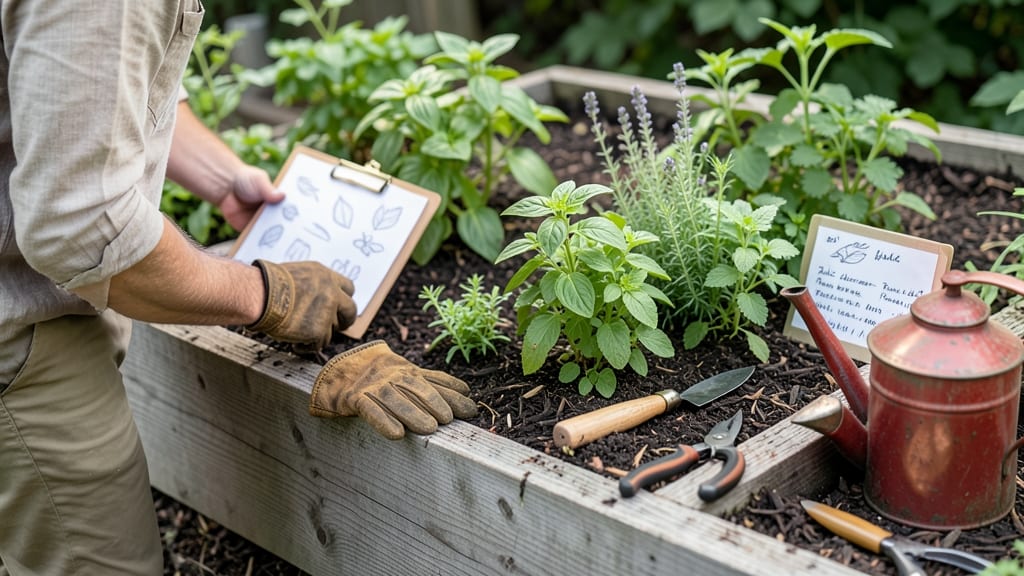
Adult gardening classes near you provide practical training for all experience levels, covering essential skills like soil health, plant propagation, and sustainable practices. Many programs include hands-on demonstrations in community gardens or greenhouses, with flexible scheduling for working professionals.
Finding the right gardening education starts with assessing your current skill level and goals. 🌱 Beginner classes often focus on foundational techniques like seed starting, basic pruning, and seasonal planting schedules, while advanced workshops dive into specialized topics such as permaculture design or heirloom plant propagation.
Many local programs now offer hybrid options—combining in-person demonstrations with online modules—so you can learn at your own pace while still getting hands-on experience.
Local botanical gardens and agricultural extension offices remain the gold standard for reliable, research-backed instruction. These venues typically partner with universities to offer certified courses, ensuring you're learning from experts who understand regional climate challenges.
For example, a class in the Pacific Northwest might emphasize drought-resistant plants, while one in the Southeast could focus on humidity-adapted varieties. Always check for seasonal availability—spring and fall tend to have the most diverse offerings.
💡 In This Article
- Types of Adult Gardening Classes by Skill Level
- Where to Find Local Gardening Workshops and Programs
Types of adult gardening classes by skill level
Beginner gardening classes typically focus on foundational skills like soil composition analysis, using a pH testing kit (5.0-7.0 range), and understanding basic plant families (e.g., nightshades vs. legumes).
These courses often include hands-on demonstrations of seed starting—where you'll learn to calculate seed depth (2-3 times seed width) and maintain 70-75°F soil temperatures for optimal germination. The curriculum usually spans 4-6 weeks with 2-hour sessions, making them ideal for busy adults balancing work and learning.
Intermediate programs build on these basics by introducing advanced techniques like companion planting (e.g., basil with tomatoes) and soil amendments using compost tea (1:10 ratio). You'll also explore plant propagation methods beyond seeds, such as layering (e.g., raspberry canes) or grafting fruit trees.
Many intermediate classes include field trips to local farms to observe crop rotation systems in action, which helps you apply classroom knowledge directly to your home garden. These typically require 8-12 weeks of commitment and may have prerequisites like completing a beginner course.
Advanced gardening classes often specialize in niche areas like permaculture design (PDC certification), which teaches you to create self-sustaining ecosystems using swales and food forests. These programs frequently include 3-5 day intensive workshops with site assessments where you'll learn to map microclimates and water flow patterns.
For example, a permaculture class might teach you how to calculate water retention rates (3-5 gallons per square foot per year) for your specific landscape. The hands-on nature of these courses often includes building small-scale infrastructure like hugelkultur beds or rainwater harvesting systems.
What sets advanced classes apart is their emphasis on problem-solving for specific challenges. For instance, a organic pest management course might teach you to identify beneficial insects (like ladybugs) and calculate release ratios (5-10 per square foot) for integrated pest management.
These programs often require prior experience or portfolio submissions showing your gardening projects. Many advanced courses also offer certification options that can be valuable if you're considering professional gardening or teaching others.
One key difference between skill levels is the depth of scientific understanding required. Beginner classes focus on practical applications, while advanced courses dive into plant physiology (e.g., transpiration rates) and soil microbiology (e.g., mycorrhizal fungi relationships).
For example, an advanced soil health class might teach you how to analyze soil organic matter percentages (3-6%) and interpret lab results to create customized amendment plans. This scientific foundation helps you troubleshoot problems more effectively and make data-driven decisions in your garden.
To determine which level is right for you, consider your current gardening experience and goals. If you're just starting with container gardening or have only tried growing herbs, begin with foundational classes.
For those with 2+ years of gardening experience who want to expand into specialty areas, intermediate or advanced courses will provide the technical depth you need.
Many programs offer free introductory sessions where you can observe teaching styles and curriculum before committing—this is an excellent way to find the perfect fit for your learning style and schedule.