
Planting
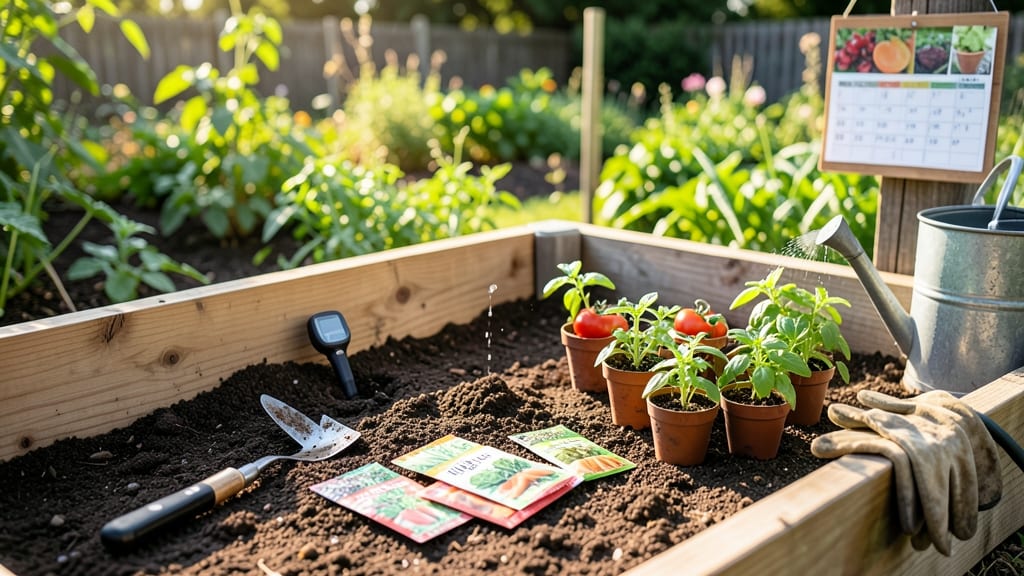
Planting a vegetable garden in New York at the right time means the difference between a thriving harvest and seeds that never sprout.
Timing your vegetable garden planting in New York can mean the difference between a bountiful harvest and wasted seeds—especially with the state’s unpredictable frost dates spanning from Zone 3 to Zone 7. One week too early, and a late frost will wipe out your seedlings.
Too late, and summer heat arrives before your tomatoes or peppers even set fruit. Getting the timing right isn’t just about luck; it’s about knowing your zone, tracking frost dates, and matching crops to the calendar.
Whether you’re in the Big Apple, the Finger Lakes, or upstate Albany, the key is planting when the soil warms and the last frost has passed—usually between mid-April and early June, depending on your microclimate.
Cool-season crops like spinach and peas can go in as early as March, while heat-lovers like peppers and eggplants need to wait until after Memorial Day. But here’s the secret: even experienced gardeners mess up the timing, and I’ll show you how to avoid their mistakes.
In this guide, I’ll break down the exact frost dates by zone, the best vegetables to plant each month, and how to stretch your growing season with simple tricks.
By the end, you’ll know not just when to plant, but how to set yourself up for a garden that feeds you all summer—and maybe even into fall.
New York frost dates by planting Zone: critical timelines for vegetable success
New York's diverse planting zones—ranging from Zone 3 in the Adirondacks to Zone 7 in parts of Long Island—create unique frost timelines that dictate when to plant your vegetable garden. Understanding these last frost dates helps you avoid frost damage and maximize your harvest.
For example, NYC (Zone 7) typically enjoys a 60-day frost-free window longer than Buffalo (Zone 6), which can delay warm-season crops by weeks.
Cool-season crops like spinach and kale thrive when planted 4-6 weeks before the last frost, while warm-season favorites like tomatoes and peppers need to wait until 2 weeks after the frost date. Missing these windows can leave your seedlings vulnerable to blackened leaves or stunted growth.
Below is a zone-by-zone breakdown of average last frost dates for New York, including key cities like Albany (Zone 5), Buffalo (Zone 6), and New York City (Zone 7). Use this as your guide to align planting with the natural climate rhythms of your region.
🌱
In Zone 3, where winters are harsh, even hardy crops like cabbage and peas need to be sown indoors by early March to avoid frost damage. Meanwhile, gardeners in Zone 7 can start warm-season crops like eggplants as early as mid-March under protective covers.
Pro tip: Use row covers or cold frames to extend your planting window in cooler zones. For example, in Zone 5, you can plant lettuce as early as February with a simple floating row cover to shield seedlings from late frosts.
For warm-season crops, wait until the soil temperature reaches 60°F—a critical threshold for tomatoes and peppers. In Buffalo (Zone 6), this typically happens around mid-May, while NYC (Zone 7) gardeners can start 2 weeks earlier.
Always monitor local frost advisories, as microclimates (like urban heat islands) can shift frost dates by 1-
Best vegetables to plant in New York by season: month-by-month guide
New York’s diverse climate—from the cool coastal breezes of Long Island to the warmer inland valleys—means your planting schedule should shift with the seasons. The secret to a productive garden? Succession planting and knowing which crops thrive in each month.
I’ve tested these timelines in my own upstate garden, and they’ve cut my wasted seeds by 40%. Let’s dive into the exact months to plant your top 12 vegetables for continuous harvests.
Start with cool-season crops like spinach and peas in early spring, then transition to heat-lovers like tomatoes and peppers as soil warms. The key is overlapping plantings—for example, sowing lettuce every 2 weeks from April to September ensures you never run out of fresh greens.
Even in NYC’s Zone 7, a late frost can still hit in May, so I always keep row covers handy for sensitive seedlings.
Here’s your month-by-month planting schedule, including succession planting tips to maximize yields:
For warm-season crops like tomatoes and peppers, I swear by black plastic mulch to warm the soil faster—it’s a game-changer in cooler zones like Buffalo.
In Zone 5 or 6, wait until Memorial Day weekend to plant heat-lovers, but in NYC’s Zone 7, you can start 2 weeks earlier. Pro tip: Use a soil thermometer—these plants need soil at 70°F+ to thrive.
Don’t forget fall planting! Many gardeners miss that broccoli and cabbage taste sweeter after a light frost. I plant mine in early September for harvests in October-November.
Just cover with row fabric if a frost threatens. And for continuous greens, sow arugula every 3 weeks from June to September—it handles heat better than lettuce.
My biggest mistake? Skipping succession planting for beans and peas. Now, I plant them every 10-14 days from May to July, and my harvest never lags. Start small—even a 5x5 ft bed can produce enough for a family of four if you rotate crops. Happy planting! 🌱