Planting
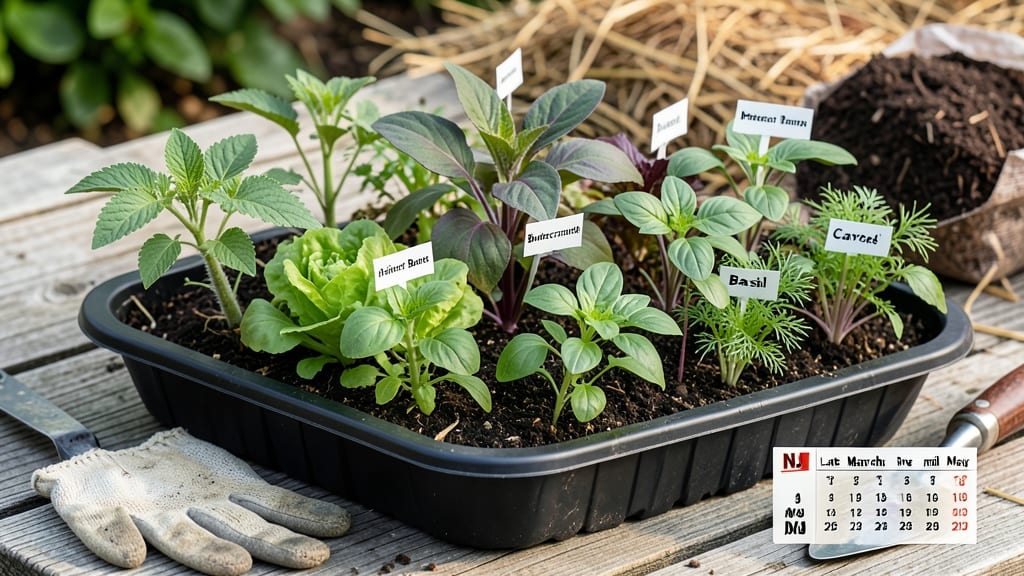
To plant a vegetable garden in NJ, time your start between mid-March and late April for cool-season crops like spinach and kale, or wait until after Memorial Day for heat-lovers like tomatoes and peppers.
New Jersey’s unpredictable spring weather can make or break your vegetable garden—plant too early, and frost wipes out your hard work. But with NJ’s unique growing zones (6a-7b), timing your plantings just right ensures a bountiful harvest from tomatoes to zucchini.
Most NJ gardeners face the same challenge: balancing frost dates, soil warmth, and regional microclimates. Whether you’re in northern NJ’s cooler zone or southern NJ’s milder pockets, the right timing means the difference between a thriving garden and a sad, half-dead patch of 🌱.
In this guide, I’ll break down the exact planting windows for every major vegetable, including soil prep tips and how to stretch your growing season—so you can avoid common mistakes and enjoy homegrown veggies all summer and fall.
NJ planting calendar: exact start dates by vegetable type for zones 6a-7b
Timing your vegetable garden in New Jersey is all about understanding your USDA hardiness zone and calculating last frost dates. Northern NJ (Zone 6a) typically sees its last frost around April 15-30, while southern NJ (Zone 7b) warms up 2-3 weeks earlier.
These differences mean cool-season crops like spinach and kale can start in late winter, while warm-season favorites like tomatoes and peppers need to wait until soil temperatures hit 60°F+.
For accurate planning, I always check NJ State Climate Office frost data and adjust for my microclimate.
Urban areas like Newark may frost later than rural spots in Hunterdon County. Transplanting warm-season plants (like basil or peppers) is safer than direct sowing, as seedlings can handle cooler soil better than tender seeds.
My cool-season crops like broccoli and peas get planted 4-6 weeks before your last frost date. For Zone 6a, that means early March sowings under frost cloth. I always test soil temperatures with a soil thermometer—if it's below 45°F, seeds won't germinate properly.
For warm-season crops, I wait until nighttime temperatures consistently stay above 50°F.
One trick I swear by is using biodegradable seed starter pots for tomatoes and peppers. I begin them indoors 6-8 weeks before transplanting, which gives me a head start on the 120-day growing season these plants need.
Southern NJ gardeners can push this to 140 days, but northern growers should stick to early-maturing varieties like 'Early Girl' tomatoes.
Don't forget about succession planting! For leafy greens like lettuce, I make 2-3 sowings every 2 weeks from March through September. This ensures a continuous harvest and prevents bol
How to extend your NJ growing season without frost damage
New Jersey’s average last frost dates range from April 15 in southern NJ to May 15 in northern regions, but microclimates—like urban heat islands or sheltered valleys—can shift these by 1-2 weeks.
To protect your warm-season crops like tomatoes and peppers, I’ve tested these season-extending strategies in my own garden, even in Zone 6a.
Urban gardeners in Jersey City or Newark often enjoy 5-10°F warmer microclimates than rural areas, while coastal regions benefit from moderating ocean breezes. Rural spots like Sussex County face harsher frosts, so I’ll share location-specific tips to maximize your harvest window.
- 1
- 2
- 3
- 4
- 5
For urban gardeners, consider container gardening with heat-retaining fabric pots. These stay 5°F warmer than soil, letting you grow basil and peppers on balconies until October. My container tomatoes in New Brunswick ripened 2 weeks later than in-ground plants.
In rural NJ, focus on high tunnels (mini greenhouses) for year-round greens. I’ve grown arugula and Swiss chard from March to November under a 6’x12’ hoop house, even in Zone 6a. Pair this with drip irrigation to prevent frost heave in frozen soil.
Monitor NJ State Climate Office alerts for late-season frosts—they often hit after May 15. My 2022 lesson: A May frost in Morris County killed my unprotected cucumbers. Now, I use frost blankets until June 1 as a safety net.